


Best Soil for Passion fruit (Passiflora edulis)

For Passiflora edulis, a loose, rich, well-drained soil supports steady root growth and helps maintain strong overall plant health.

Soil Texture

Sandy, Loamy, Organic-rich

Soil pH

Acidic (5.5–6.5), Slightly acidic (6.5–7.0)

Soil Drainage

Moist but well-drained

Passiflora edulis Soil Guide

Native to tropical and subtropical South America, Passiflora edulis grows where warmth, regular moisture, and fast drainage occur together. That background explains why Passion fruit soil should stay evenly moist without becoming dense or waterlogged.

A loose, sandy-loam texture with plenty of organic matter suits its active, spreading roots. Good aeration helps roots access oxygen and move through the soil, while moderate moisture retention supports steady growth. The best soil for Passion fruit is fertile, slightly acidic to acidic, and drains well after watering.

A homemade mix can give Passiflora edulis the balance of airflow and moisture retention it needs in containers.

100% total mix = 20 scoops
20%
coarse sand4 scoops
20%
perlite or pumice4 scoops
25%
compost or aged pine bark fines5 scoops
35%
high-quality potting soil7 scoops

The finished blend should feel light, slightly springy, and easy to crumble, with water moving through evenly instead of pooling.

Passion fruit grows best in slightly acidic to acidic soil, around 5.5–6.8 pH. That range helps roots access key nutrients such as iron, manganese, and phosphorus without making them overly restricted.

It can handle a mildly broader range for short periods, but growth is usually steadier when the pH stays near that target instead of drifting neutral or alkaline.

Root stress in this vine often starts below the surface, so it helps to check the growing medium before assuming another cause.

Compacted soil:

If the surface hardens and water sits briefly before soaking in, gently loosen the top layer and improve air space in the root zone.

Soggy root area:

If the container stays heavy for long periods and the mix smells stale, reduce excess moisture around roots and check that drainage is working freely.

Dry, shrinking mix:

When soil pulls away from the pot edge, rewet it gradually so moisture reaches the full root ball instead of rushing past it.

Salt buildup:

A pale crust on the surface can point to mineral residue, so flush the mix thoroughly once and review water quality over time.

Right Plant. Right Soil.

Botan helps match this plant to a more suitable growing medium so soil choices are based on real care needs, not guesswork.

FAQ

Yes. Drainage holes let excess water leave the container, which helps protect roots from staying waterlogged and keeps the mix more balanced over time.

Everything About Passion fruit

More Plant Soil Guides

Soil Problem? Scan It.

Botan can help assess whether a visible issue may be linked to soil conditions. A photo check can help narrow down likely causes.

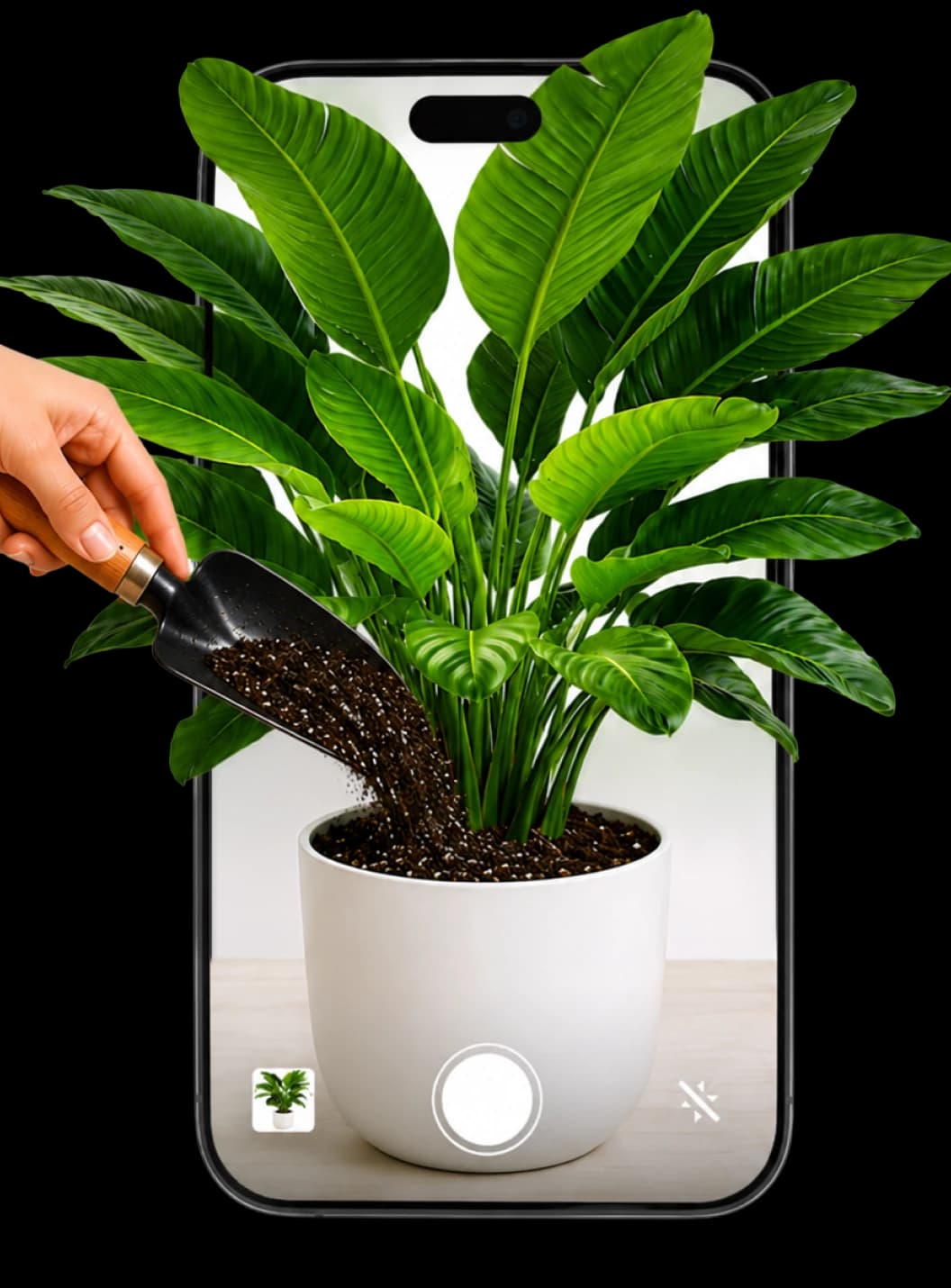
Botan app helping with soil and plant care
Best Fertilizer for Grass in Summer: How to Choose the Right One

6 min read · 18 Aug 2026

Best Fertilizer for Grass in Summer: How to Choose the Right One

The right fertilizer in summer can make a lawn thrive. The wrong one can damage it. Here, you’ll learn the best NPK ratios by grass type, when and how to apply your formula, and how to recognize the signs of over- or under-fertilizing.

Plant Care
Best Fertilizer for Grass in Summer: How to Choose the Right One
How Long Can Flowers Go Without Water? Everything You Need to Know

6 min read · 10 Jul 2026

How Long Can Flowers Go Without Water? Everything You Need to Know

Flowers can survive without water anywhere from 1-2 hours to several months, depending on the plant type, species, and growing conditions. Some strong-looking flowers are drought-sensitive, while delicate-looking plants may tolerate long dry periods surprisingly well.

Plant Care
How Long Can Flowers Go Without Water? Everything You Need to Know
12 Most Wanted Rare Houseplants to Grow at Home

6 min read · 21 Sept 2026

12 Most Wanted Rare Houseplants to Grow at Home

Rare houseplants can turn an ordinary corner in your apartment into a living botanical collection. This guide covers 12 most admired picks, what makes them special, and how to grow them successfully at home.

Plant Recommendations
12 Most Wanted Rare Houseplants to Grow at Home