Best Soil for False Aralia (Plerandra elegantissima)

A loose, moisture-retentive, slightly acidic mix helps Plerandra elegantissima maintain healthy roots without staying heavy around them.

Soil Texture

Loamy, Peaty, Organic-rich

Soil pH

Acidic (5.5–6.5), Slightly acidic (6.5–7.0)

Soil Drainage

Moist but well-drained

Plerandra elegantissima Soil Guide

Native to New Caledonia, Plerandra elegantissima grows in warm, humid conditions where the ground stays lightly moist but not waterlogged. That background explains its preference for soil that holds some moisture and organic matter while still allowing steady airflow around the roots.

The best soil for False Aralia is loose, loamy, and rich rather than dense or heavy. Its roots benefit from a peaty, organic-rich substrate that drains well, because they perform best with consistent moisture, gentle acidity, and enough pore space to support healthy root function.


A homemade mix gives better control over texture and moisture balance for Plerandra elegantissima, especially in typical indoor conditions.

100% total mix = 20 scoops
15%
fine orchid bark or pine bark fines3 scoops
20%
perlite or pumice4 scoops
30%
high-quality potting soil6 scoops
35%
peat moss or coco coir7 scoops

The finished blend should feel light, springy, and slightly fluffy, with enough body to stay evenly moist while excess water moves through readily.

A good target for this species is 5.5–6.8 pH. That places it in the acidic to slightly acidic range, which supports steady nutrient uptake without pushing the root zone too far from its preferred balance.

False Aralia usually grows best when soil pH stays near the middle of that range, because key nutrients such as iron and manganese remain more available there. Mild variation is often tolerated, but strongly alkaline soil can reduce nutrient availability over time.

This species can react poorly when root conditions stay inconsistent for long periods. Checking the soil structure early often helps prevent larger setbacks.

Compacted mix:

Compacted mix: if the surface hardens and water lingers, the root zone may be losing airflow, so gently loosen the top layer and plan to replace the mix soon.

Soggy root zone:

Soggy root zone: a heavy, wet medium that stays saturated can stress roots, so pause and confirm excess moisture is draining freely after watering.

Fast collapse of organic material:

Fast collapse of organic material: when the mix shrinks, sinks, or turns muddy, it may be breaking down too far, so refresh it with a more open structure.

Salt buildup:

Salt buildup: a white crust on the soil surface can point to mineral accumulation, and for Plerandra elegantissima the first step is flushing the mix thoroughly once.

Better Soil Starts Here

Botan helps match this plant to a more suitable soil setup, so mix and texture decisions are easier to make with confidence.

FAQ

Yes. Drainage holes help excess water leave the container, which keeps the root zone better aerated and reduces the risk of a stale, waterlogged False Aralia soil environment.

Everything About False Aralia

More Plant Soil Guides

Check Your Soil Choice

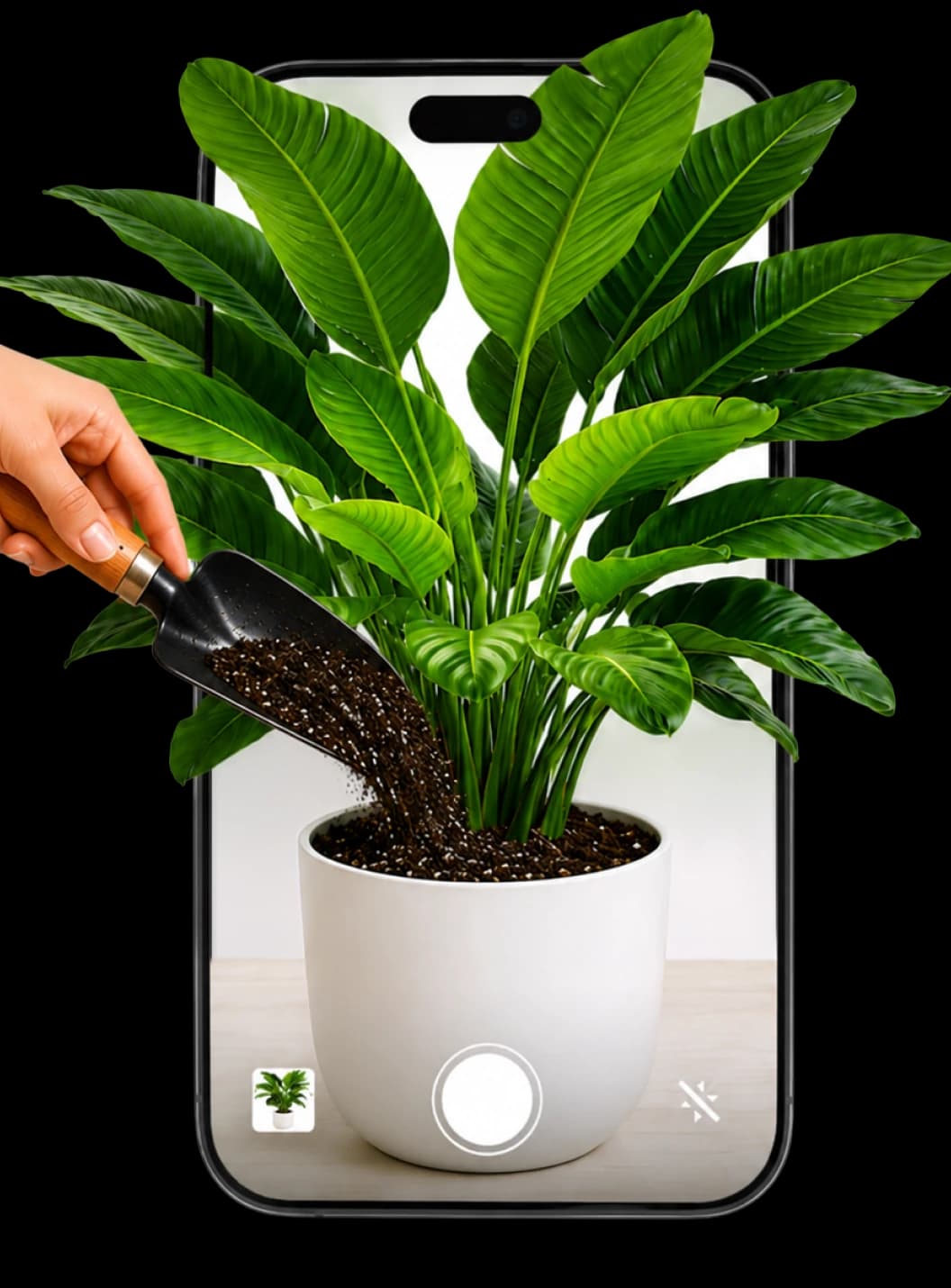
If growth or leaf condition seems off, soil could be one factor to check. Botan’s photo-based assessment can help you look closer.

Botan app helping with soil and plant care
10 Easy Garden Flowers to Grow

8 min read · 10 Sept 2026

10 Easy Garden Flowers to Grow

Discover 10 garden flowers that require minimal care. Learn which characteristics make plants easy to grow and follow tips on how to create a beautiful corner from beginner-friendly blooms on your property.

Beginner Guides
10 Easy Garden Flowers to Grow
How to Repot a Plant: A Step-by-Step Guide

7 min read · 28 May 2026

How to Repot a Plant: A Step-by-Step Guide

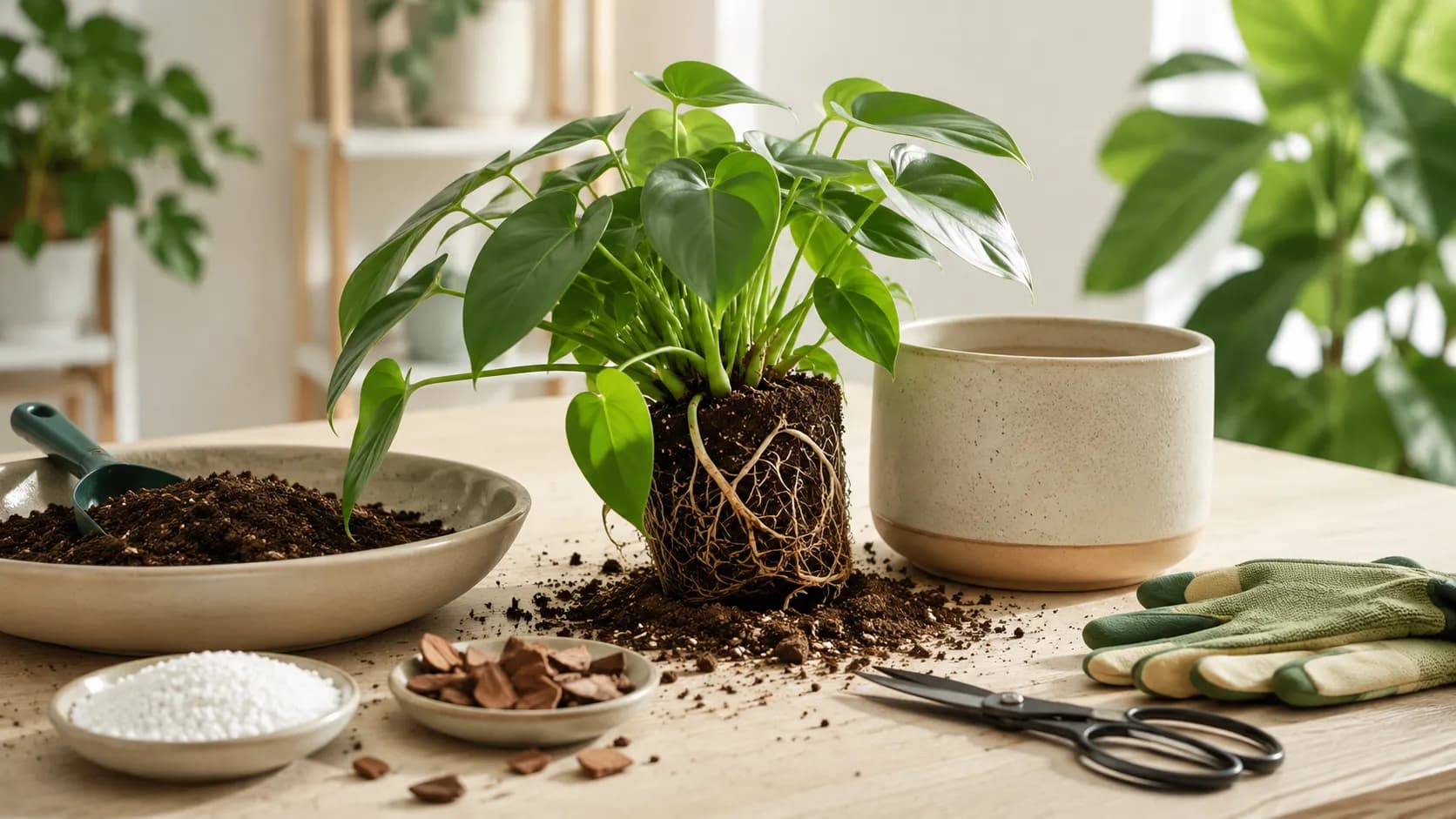
In spring, many plants need repotting—an essential part of care. To avoid stress, consider the plant’s type and size. This article offers a step-by-step guide for repotting indoors or outdoors and shows how to check plant health and get care tips using the Botan app.

Plant Care
How to Repot a Plant: A Step-by-Step Guide
How to Mist Plants – Proper Technique and Common Mistakes

7 min read · 30 Jul 2026

How to Mist Plants – Proper Technique and Common Mistakes

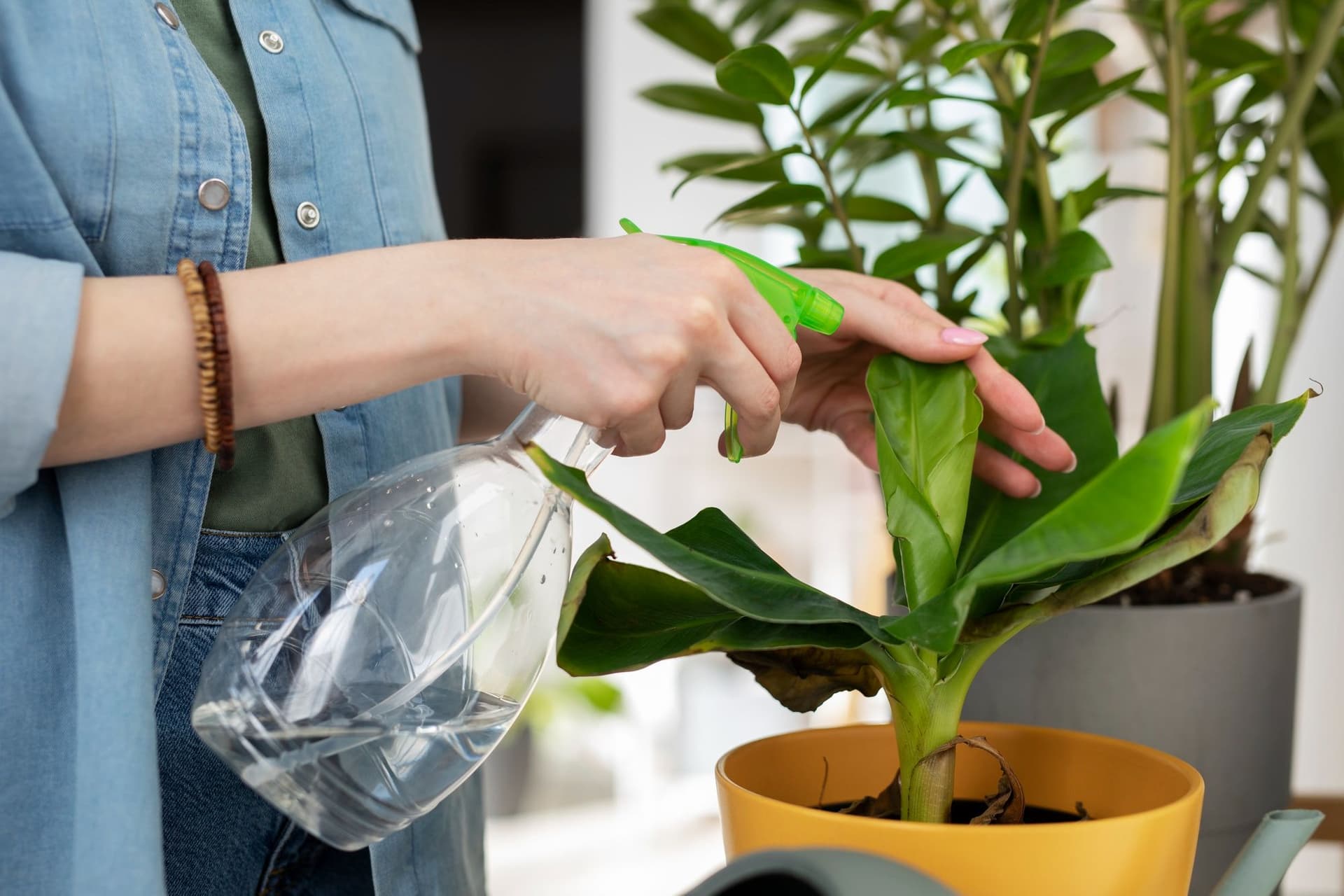
Find out when misting works well and when to avoid it. Here, you’ll find detailed information about compatible and incompatible species, tips on how often to mist plants and do it correctly, and some great alternatives for raising humidity.

Beginner Guides
How to Mist Plants – Proper Technique and Common Mistakes