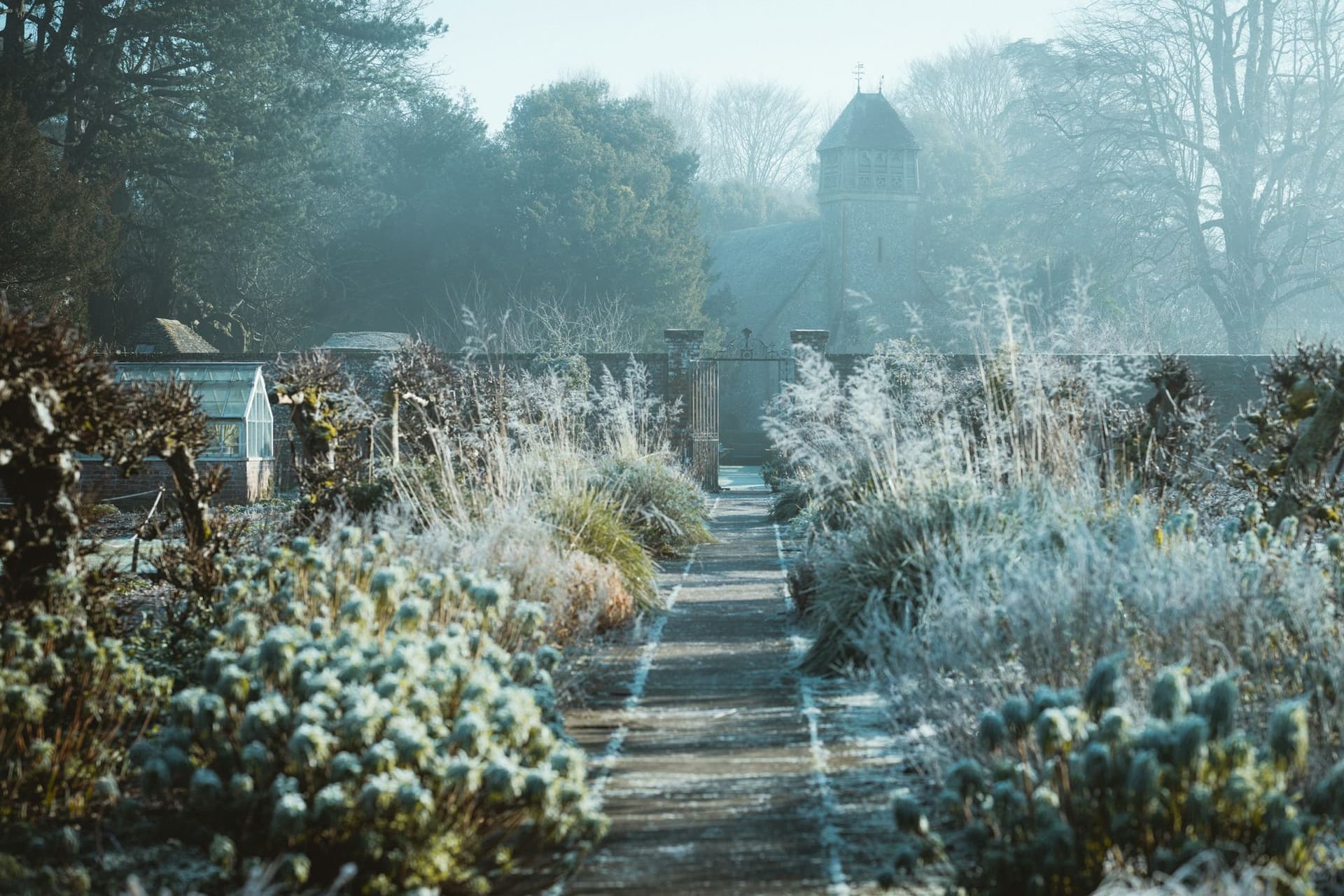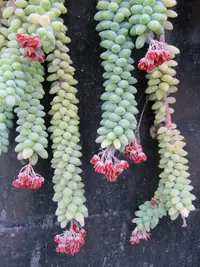




Best Soil for Burro's tail (Sedum burrito)

Sedum burrito grows best in a loose, fast-draining mix that supports healthy roots and avoids stale, compacted soil conditions.

Soil Texture

Sandy, Loamy, Rocky

Soil pH

Slightly acidic (6.5–7.0), Neutral (7.0)

Soil Drainage

Well-drained

Sedum burrito Soil Guide

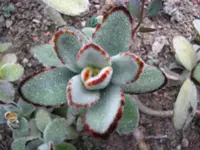
Native to southern Mexico, Sedum burrito comes from warm, rocky settings where water drains quickly and roots get plenty of air. That background explains why this succulent prefers soil with a loose, gritty feel rather than dense, moisture-holding material.

The best soil for Burro's tail is well-drained, sandy to loamy, and slightly mineral-rich. Its roots are relatively fine and do not need deep, heavy organic soil, so a lighter substrate helps moisture pass through while still giving enough support and a small reserve of water.

A simple homemade mix gives Sedum burrito the sharp drainage and light structure it prefers in a container.

100% total mix = 20 scoops
10%
fine gravel2 scoops
20%
coarse sand4 scoops
30%
perlite or pumice6 scoops
40%
cactus potting soil8 scoops

The finished blend should feel loose, gritty, and crumbly, with water moving through quickly instead of pooling around the root zone.

Sedum burrito does best in slightly acidic to neutral soil, around 6.5–7.0 pH. That range helps key nutrients stay available without pushing the mix too far toward acidity or alkalinity.

It can handle a fairly small shift around neutral, but strongly acidic or alkaline soil may gradually reduce nutrient uptake. A near-neutral mix is usually the most reliable choice for steady growth.

This species is more sensitive to stale, compacted root conditions than many foliage plants. Soil issues are often worth checking when growth starts to weaken.

Compacted mix:

Compacted mix: soil feels hard or crusted and drains unevenly, so gently loosen the top layer and plan to replace the mix if it no longer stays open.

Poor aeration:

Poor aeration: a dense root zone can keep Burro's tail from getting enough oxygen, so move it into a lighter medium if the container stays heavy for too long.

Mineral buildup:

Mineral buildup: a white crust on the soil surface can interfere with normal root function, so scrape off the top layer and flush the potting mix thoroughly.

Decomposed mix:

Decomposed mix: older soil may shrink, sink, or turn spongy over time, so refresh it with a newer, more stable blend that keeps its structure.

Scan for Soil Tips

Botan can help identify the plant and guide better soil choices based on its growth habit, container setup, and root-zone needs.

FAQ

Yes. Drainage holes let excess water leave the container and help air move through the root zone, which is important for keeping the mix from staying wet too long.

Everything About Burro's tail

More Plant Soil Guides

Is Your Soil the Problem?

A photo check in Botan can help show whether soil conditions may be part of the issue and what to review next.

Botan app helping with soil and plant care
How To Revive a Dying Plant: 6 Steps To Bring A Plant Back To Life

6 min read · 1 Sept 2026

How To Revive a Dying Plant: 6 Steps To Bring A Plant Back To Life

Drooping leaves and brown tips don't always mean the end, and a weakened plant can often recover with a little help. These six simple steps will help you revive a dying plant and restore its health.

Plant Care
How To Revive a Dying Plant: 6 Steps To Bring A Plant Back To Life
12 Best Landscaping Trees for Your Garden

8 min read · 6 Oct 2026

12 Best Landscaping Trees for Your Garden

Choosing the landscape tree depends on what your garden needs most. These 12 options include compact flowering specimens, colorful deciduous trees, shade varieties, and evergreens suitable for screening and year-round structure.

Plant Recommendations
12 Best Landscaping Trees for Your Garden
How to Winterize Your Garden in 6 Steps

5 min read · 28 Sept 2026

How to Winterize Your Garden in 6 Steps

Learn how to prepare your garden for winter with a practical six-step checklist covering cleanup, tender plant care, watering, mulching, winter protection, and winterizing equipment and containers.

Plant Care
How to Winterize Your Garden in 6 Steps