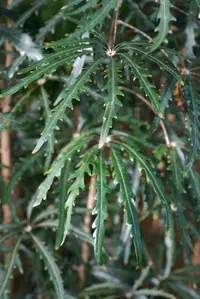

False Aralia (Plerandra elegantissima) Watering Guide

This page outlines when, how often, and how much to water Plerandra elegantissima in everyday home conditions.

Water Requirements

Moderate Water

Plerandra elegantissima Watering

This upright foliage plant comes from humid forest conditions, so it benefits from steady but not soggy moisture indoors. Plerandra elegantissima prefers soil that dries slightly between waterings rather than staying wet for long periods.

In containers, approach watering False Aralia with a light, even hand that avoids both extremes of drought and saturation. This section outlines the overall rhythm of watering before moving into situation‑specific guidance for different homes and light levels.

Let the top 1–2 inches (3–5 cm) of soil dry out before watering again. This usually means watering about every 7–10 days indoors, but treat it as a guideline, not a schedule. Warmer, brighter conditions shorten the interval, while lower light or cooler rooms extend it.

Water when the top 1–2 inches (3–5 cm) of soil feel dry, using a slow, even approach for False Aralia.

  • Pour room-temperature water onto the soil surface around the base, avoiding direct contact with stems and foliage.
  • Add water gradually until it flows from the drainage holes, ensuring the entire root zone is evenly moistened.
  • Allow the pot to drain fully, then empty saucers or decorative cachepots so the container does not sit in standing water.
  • Use top watering as the primary method; reserve occasional bottom watering for rehydrating soil that has become unevenly dry.

Incorrect moisture levels often stress Plerandra elegantissima and lead to preventable health problems indoors.

Drooping Leaflets:

Fine leaf segments hang limp from either dry soil or roots smothered by constant saturation.

Crisp Brown Edges:

Leaf margins dry and crumble when the root zone repeatedly cycles from parched to waterlogged.

Yellowing Lower Leaves:

Older foliage turns pale and drops as chronically soggy soil depletes oxygen around roots.

Mushy Root Zone:

Soil feels heavy and sour, signaling poor drainage and prolonged excess moisture around the rootball.

Keep the root zone evenly moist in fast-draining soil, avoiding both bone-dry and saturated conditions.

Unsuitable watering habits can stress Plerandra elegantissima, making false aralia shed foliage and struggle to adapt to indoor conditions.

  • Fixed calendar schedule: Following a strict weekly plan ignores seasonal changes; instead, water when the top soil feels dry and conditions demand it.
  • Dense, moisture-holding mix: Using heavy soil that stays wet smothers fine roots; choose a loose, chunky mix that drains quickly yet holds slight moisture.
  • Water trapped in saucer: Leaving runoff in the saucer keeps roots soggy; empty excess water after each thorough soak so the root zone breathes.

Safer watering for this species means checking the potting mix, adjusting to light and season, and prioritizing fast drainage with brief moisture.

  • Spring: Growth slowly ramps up; check soil a bit more often and water when the top 1–2 inches feel dry to the touch.
  • Summer: In warm, bright rooms, moisture is used faster, so expect more frequent watering while preventing the root zone from becoming soggy.
  • Fall: As light and growth ease, lengthen the time between waterings and let the pot drain thoroughly after each soak.
  • Winter: In cooler, darker conditions, growth is modest; reduce watering and allow the mix to dry slightly deeper before watering again.

Track Watering. Catch Problems Early

Use Botan for simple watering guidance and care routines tailored to your False Aralia, plus gentle photo-based checkups that help notice leaf spots, stress, or pests before they spread.

Botan plant care app — identify plants on mobile

FAQ

Check the top 1–2 inches (3–5 cm) of potting mix; water when this layer is dry. In bright, warm rooms this is often every 7–10 days, less often in lower light or cooler conditions.

Everything About False Aralia

More Plant Watering Guides

Is Your Watering Routine Hurting Your False Aralia?

Use Botan to review watering patterns and see if moisture needs adjusting.

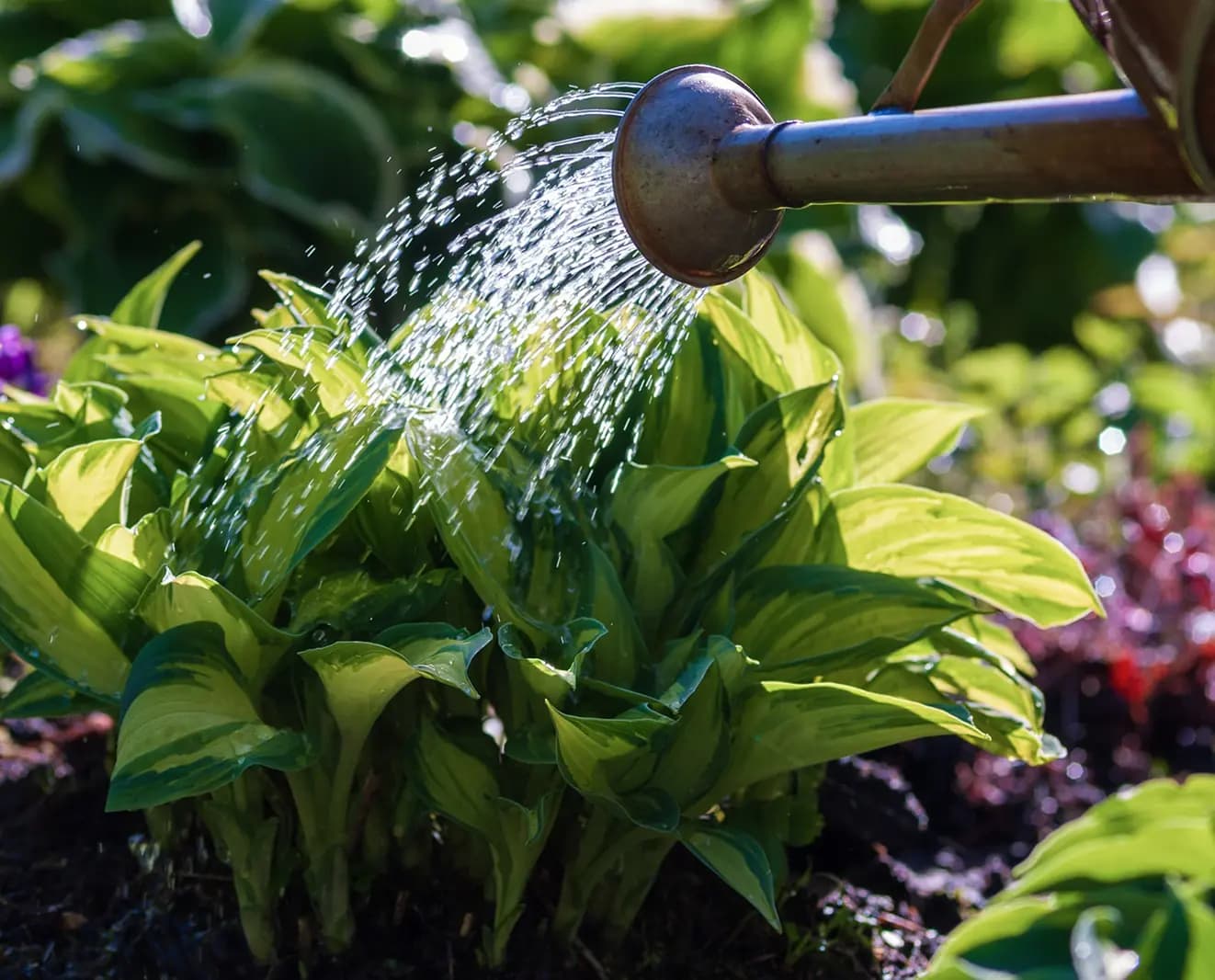
Watering a plant with a copper watering can
8 Glow-in-the-Dark Plants and Fungi That Really Exist

8 min read · 6 Nov 2026

8 Glow-in-the-Dark Plants and Fungi That Really Exist

Plants that glow in the dusk really exist. Some of them produce their own light, while others need UV exposure or special treatments. Explore eight fascinating examples, including glowing petunias, bioluminescent mushrooms, fluorescent flowers, and experimental succulents.

Plant Recommendations
8 Glow-in-the-Dark Plants and Fungi That Really Exist
When to Plant Hydrangeas: Best Time by Season and Type

6 min read · 30 Oct 2026

When to Plant Hydrangeas: Best Time by Season and Type

Hydrangeas grow best when you plant them in cool weather. This guide explains when to plant hydrangeas in your area, compares fall and spring planting seasons, and shows the right steps for each type.

Beginner Guides
When to Plant Hydrangeas: Best Time by Season and Type
12 Best Plants for Bathroom That Thrive in Humid Conditions

9 min read · 29 Sept 2026

12 Best Plants for Bathroom That Thrive in Humid Conditions

Discover the 12 best plants for bathroom spaces. Each pick comes with its own advantages, plus light, humidity, watering, and placement tips. Take a look and match the plant to your specific bathroom.

Plant Recommendations
12 Best Plants for Bathroom That Thrive in Humid Conditions