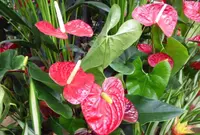
Flamingo Flower (Anthurium andraeanum) Watering Guide

This page explains when, how often, and how much to water Anthurium andraeanum for reliable, consistent care.

Water Requirements

Keep Soil Moist

Anthurium andraeanum Watering

In bright indoor spaces, Anthurium andraeanum prefers lightly moist soil that never stays soggy or bone dry. Its tropical forest origins mean watering Flamingo Flower should mimic steady, gentle moisture with high ambient humidity around the foliage.

Allow the surface to dry slightly between waterings, then re-moisten so the root zone stays comfortably damp. This balanced rhythm is the foundation for later, more detailed watering adjustments as conditions, containers, and plant size change.

Let the top 1–2 inches (3–5 cm) of soil dry before watering Anthurium andraeanum again. This usually translates to about once a week in warm, bright indoor conditions, but intervals may stretch longer in winter or shorten in very bright, warm rooms. Check the soil rather than the calendar.

Water Flamingo Flower when the top 1–2 inches (3–5 cm) of potting mix feel dry and slightly lighter.

  • Pour room-temperature water slowly over the soil surface, circling the pot so the entire root zone is evenly moistened.
  • Continue adding water until it begins to drain from the bottom holes, ensuring deeper roots receive consistent moisture.
  • Let the pot drain thoroughly over a sink or tray, then discard any collected water so roots do not sit submerged.
  • Keep water off leaves and the crown at the base of stems to reduce moisture sitting in tight crevices.

Incorrect moisture levels can damage Anthurium andraeanum, leading to stress and preventable problems indoors.

Yellowing Lower Leaves:

Mature leaves turn uniformly pale yellow from excess moisture, often caused by dense, poorly draining potting mix.

Brown Leaf Tips:

Crisp brown edges on leaves signal underwatering or low humidity combined with fast-drying soil.

Drooping Foliage:

Limp, collapsing leaves occur when roots alternate between soggy and dry conditions, disrupting normal water uptake.

Mushy Roots:

Soft, dark roots with sour odor result from chronic overwatering, especially in containers lacking drainage.

Slow, Stunted Growth:

New leaves emerge small and infrequently when watering is inconsistent, keeping roots under persistent, mild stress.

Keep roots in lightly moist, airy substrate, allowing partial drying between thorough waterings to prevent stress.

Unsuitable watering habits can stress Flamingo Flower, weakening growth and blooms by limiting oxygen at the roots or causing moisture swings.

  • Watering by calendar: Following a fixed schedule ignores changing light, temperature, and pot size; instead, check that the top soil layer feels slightly dry first.
  • Dense, waterlogged soil: Using heavy garden soil traps water around sensitive roots; choose a chunky, fast-draining mix with bark, perlite, or coco coir.
  • Letting runoff sit: Leaving water in the saucer keeps the root zone saturated; empty it promptly so excess moisture can escape.

Safer watering focuses on a lightly moist, well‑aerated root zone, adjusted to current conditions rather than rigid routines.

  • Spring: Growth usually speeds up, so water when the top 1–2 inches of mix feel dry and humidity is still moderate.
  • Summer: In warm, bright rooms, the mix may dry faster; check more often but avoid waterlogged roots by keeping drainage efficient.
  • Fall: As light and growth slow, lengthen the time between waterings while keeping the root zone slightly moist, not wet.
  • Winter: In cooler, lower-light conditions, water less frequently, allowing the top layer to dry more and guarding carefully against cold, soggy soil.

Track Watering. Catch Problems Early

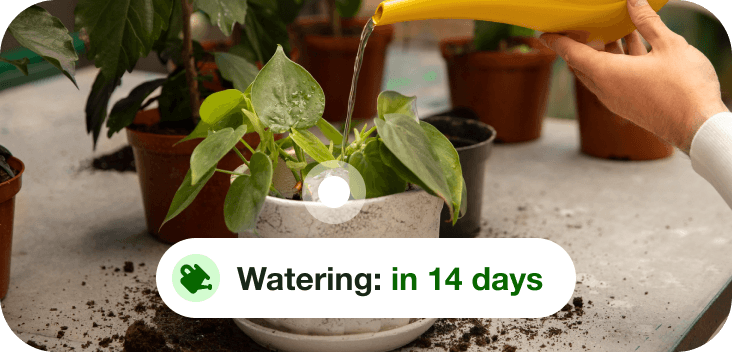
Use Botan for a clear watering guide and simple care steps for your Flamingo Flower. Log waterings, and use photo-based issue detection to spot problems before they progress.

Botan plant care app — identify plants on mobile

Interesting Watering Facts

Epiphytic rain collector

In its native range of Colombia and Ecuador, this species often grows as an epiphyte on trees, using its flaring, heart-shaped leaves and spathes to intercept frequent cloud-forest mists and rainfall rather than relying on soil moisture.


Moisture-loving root zone

Wild populations are found in consistently humid, mossy substrates on tree branches or rocky banks near waterfalls, where roots experience near-constant moisture in well-aerated organic matter instead of periodic flooding or drying.

FAQ

Water when the top 1–2 inches (3–5 cm) of mix feel dry, usually every 5–10 days indoors. Frequency depends on light, temperature, and potting mix. Adjust Anthurium andraeanum watering by checking soil, not the calendar.

More Plant Watering Guides

Is Your Watering Routine Hurting Your Flamingo Flower?

Use Botan to review watering patterns and adjust before problems develop.

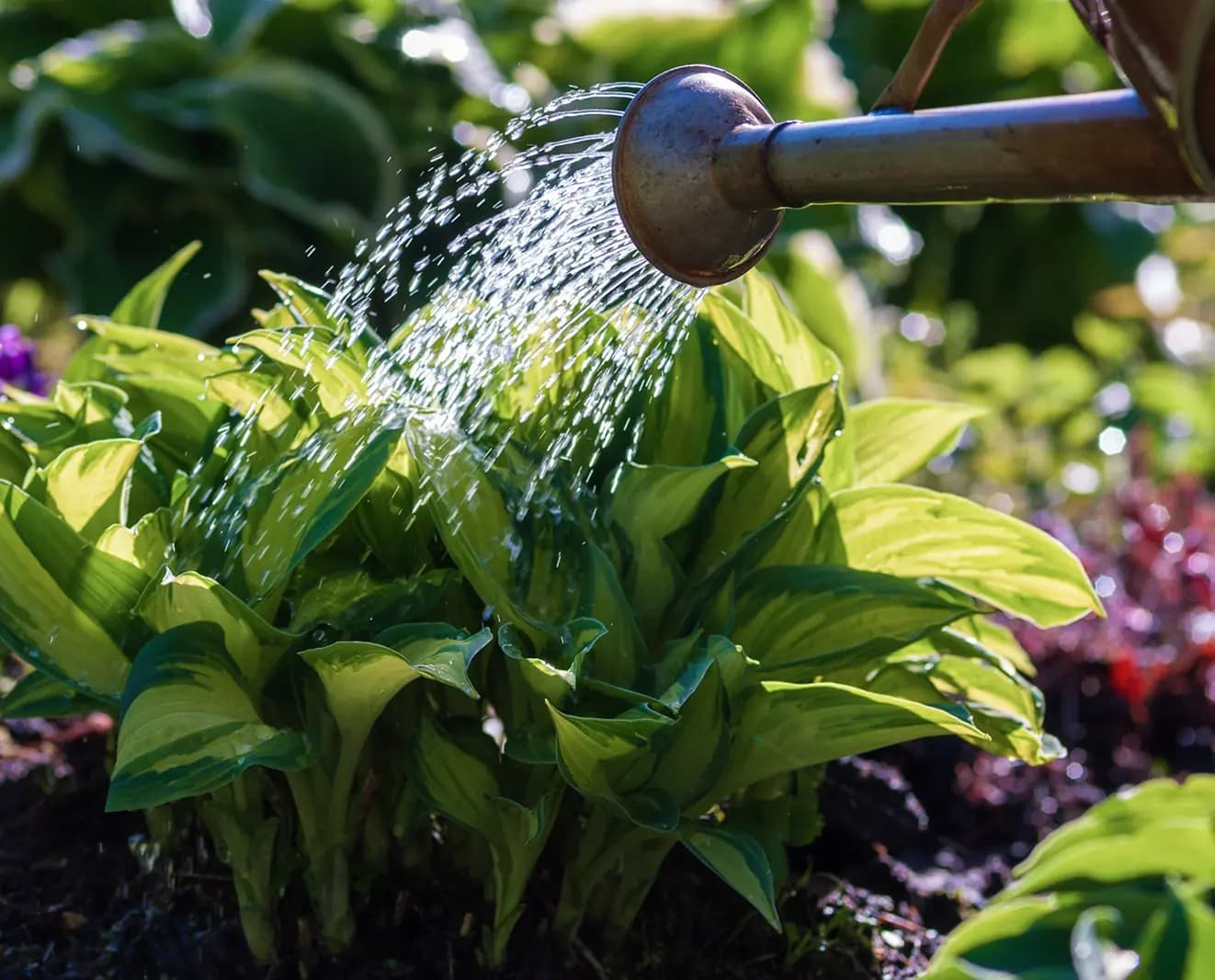
Watering a plant with a copper watering can
How to Winterize Your Garden in 6 Steps

5 min read · 28 Sept 2026

How to Winterize Your Garden in 6 Steps

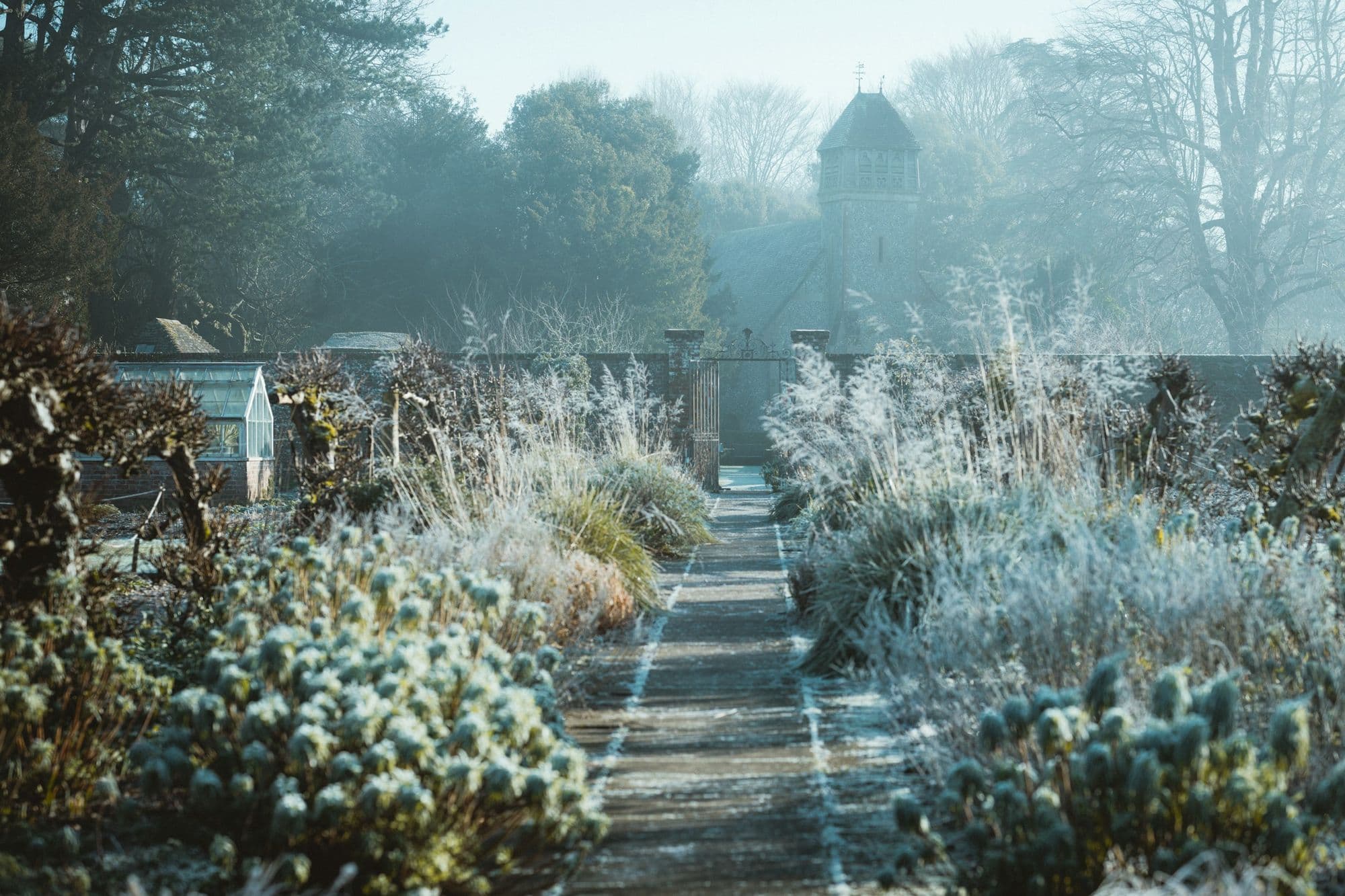
Learn how to prepare your garden for winter with a practical six-step checklist covering cleanup, tender plant care, watering, mulching, winter protection, and winterizing equipment and containers.

Plant Care
How to Winterize Your Garden in 6 Steps
Top 15 Fast-Growing Trees For Your Garden

13 min read · 28 Jul 2026

Top 15 Fast-Growing Trees For Your Garden

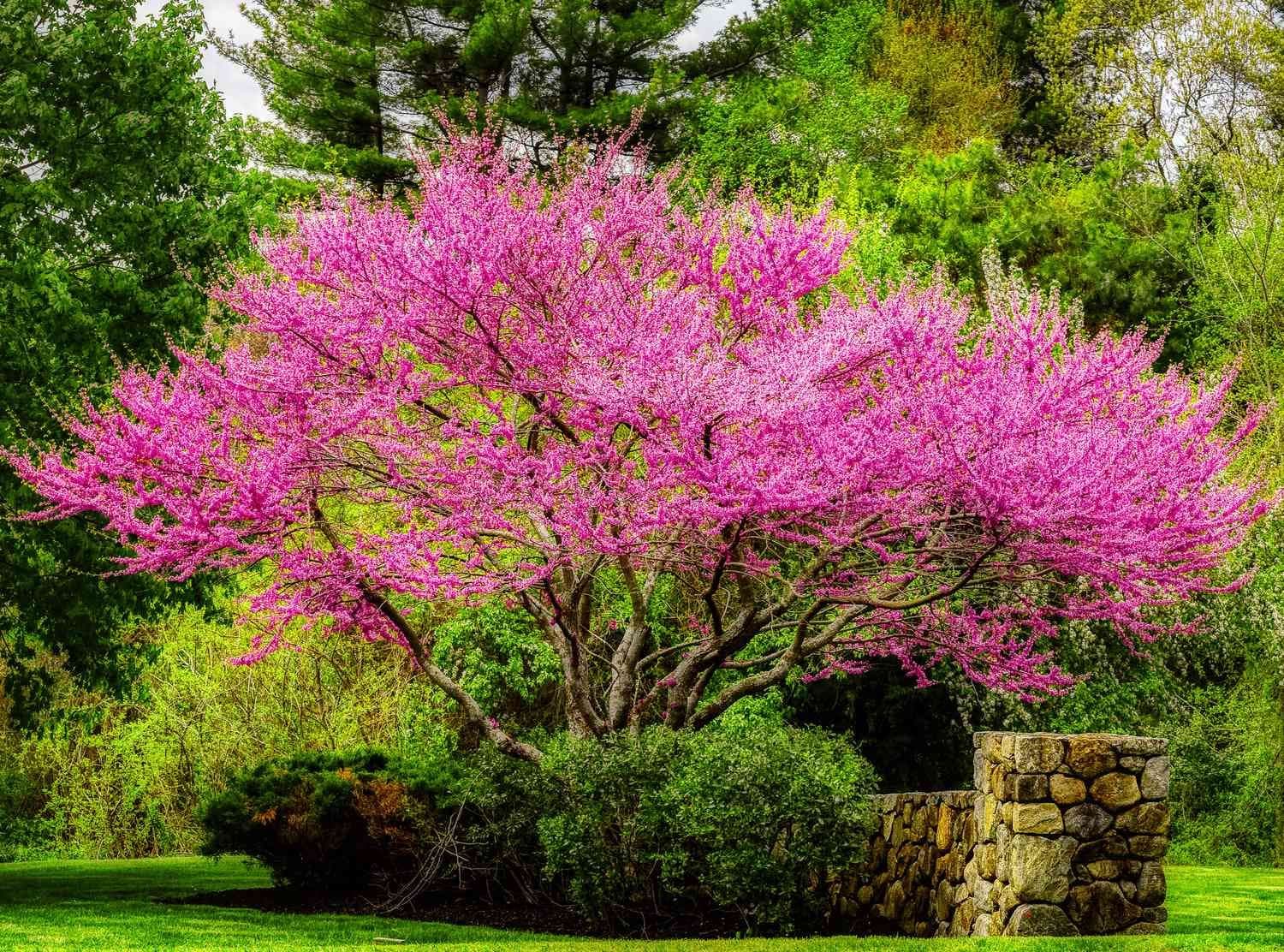
Learn which of the 15 fastest-growing trees will suit your area. We’ll share detailed information on each: growth rate, mature spread, key tree demands, and main vulnerabilities. Read on and make the best choice possible.

Plant Recommendations
Top 15 Fast-Growing Trees For Your Garden
Best Fertilizer for Vegetable Gardens – What to Use for Each Plant

11 min read · 20 Jul 2026

Best Fertilizer for Vegetable Gardens – What to Use for Each Plant

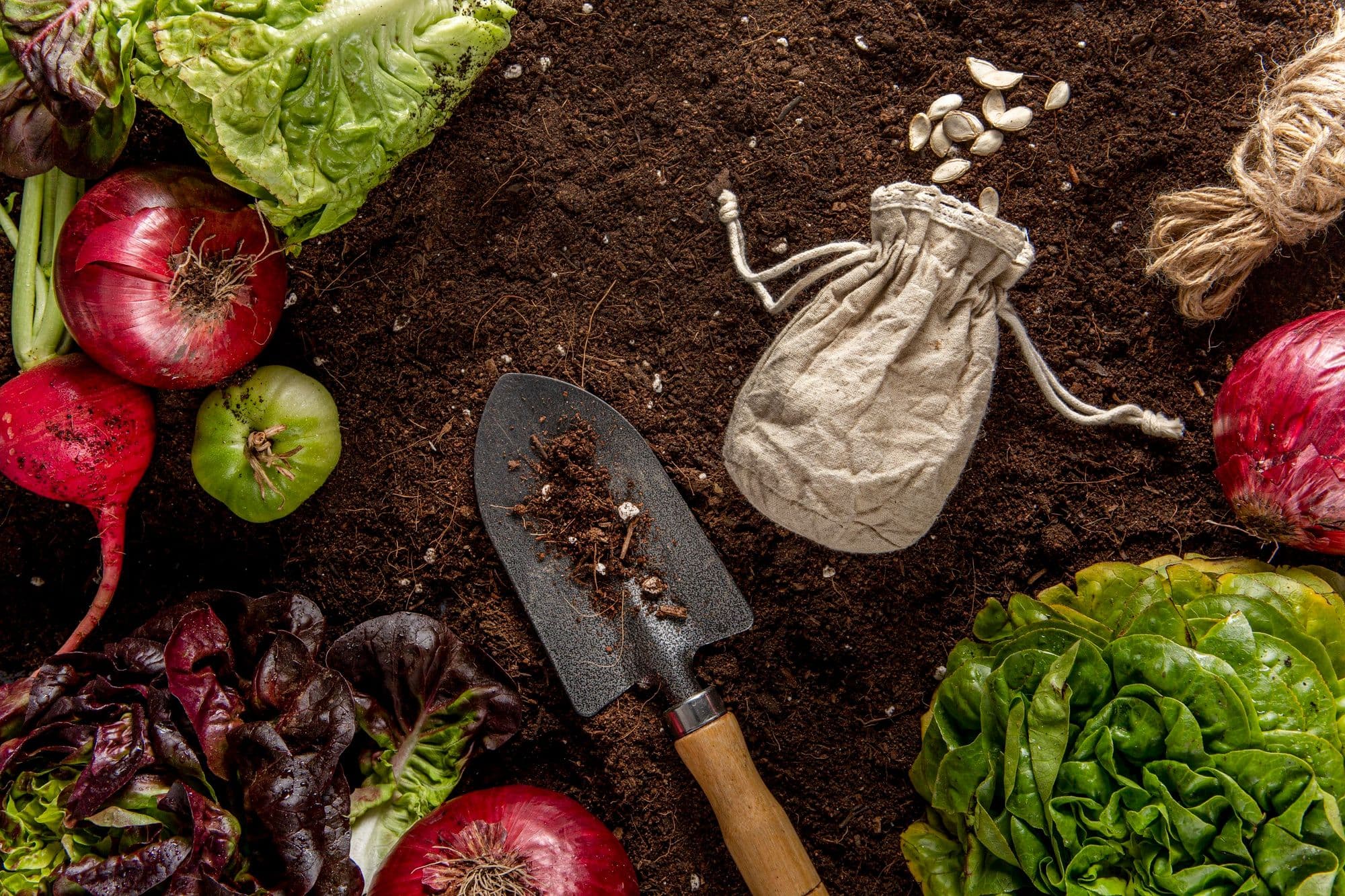
Here, you’ll find the right fertilizer formula for vegetables in your garden. Learn how to adjust feeding correctly throughout the growing cycle, spot nutrient deficiencies by their symptoms, and keep your plants healthy and prolific.

Plant Recommendations
Best Fertilizer for Vegetable Gardens – What to Use for Each Plant