Staghorn Fern (Platycerium superbum) Watering Guide

This page explains when, how often, and how much to water Platycerium superbum for steady, healthy growth.

Water Requirements

Moderate Water

Platycerium superbum Watering

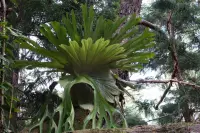
This epiphytic fern grows on trees in humid forests, so it relies on regular moisture around its roots, not soggy conditions. Platycerium superbum prefers slight, even moisture across its mounting medium, with a gentle drying trend between thorough sessions.

Indoors, watering Staghorn Fern centers on maintaining stable humidity and moderate moisture, while outdoor plants usually experience more airflow and faster drying. This section outlines how to water Staghorn Fern in broad terms before more specific guidance later.


Wait until the mounting medium feels dry and the fronds just begin to lose firmness before watering Platycerium superbum again. Indoors, this commonly means about once a week in warm, bright conditions, but intervals lengthen in cooler rooms or during winter rest. Adjust by checking dryness rather than following a fixed schedule.

Water when the mounting material feels dry almost through and the fern fronds start to relax slightly, using gentle, thorough soaking.

  • Take the whole mount to a sink, tub, or shower so water can drain freely away afterward.
  • Slowly run lukewarm water over the root mass and mounting material until everything is evenly saturated throughout.
  • Let excess water drip off for several minutes, then return the plant only when no water is still streaming.
  • Keep the shield fronds and growing crown from staying constantly wet; allow surfaces to dry quickly after each watering.

Incorrect moisture balance can stress Platycerium superbum and gradually weaken fronds and roots.

Browning Shield Frond Edges:

Crisp, brown margins usually indicate underwatering or very low humidity drying the basal frond.

Soft, Blackened Roots:

Mushy, dark tissues suggest chronic overwatering and poor air flow around the mounting material.

Pale, Thinning Fronds:

Light, papery antler fronds often follow repeated underwatering or long gaps between thorough soakings.

Persistent Damp Mount:

Continuously wet substrate signals excess watering frequency and insufficient drying between soaking cycles.

Shriveled Spore Patches:

Dry, curled sori on frond undersides commonly reflect extended moisture stress and low ambient humidity.

Allow the mount to dry slightly between deep soakings, keeping tissues moist but never waterlogged.

Unsuitable watering habits stress Platycerium superbum, weakening fronds and the shield-like base so it cannot anchor or hydrate correctly.

  • Watering by calendar: Following a fixed schedule ignores temperature and humidity changes; instead, check frond flexibility and mounting medium dryness before watering again.
  • Potting in dense soil: Planting in regular potting mix suffocates roots; mount on a board or use a very loose, chunky epiphytic medium.
  • Letting runoff sit: Leaving collected water in a saucer or tray keeps the base constantly wet; drain fully so the root area can breathe.

Aim for deep, occasional soaking with thorough drainage, then allow the mounting material to dry significantly before repeating watering.

  • Spring: New fronds emerge, so increase watering slightly and mist the shield frond when it looks dry, keeping water off the crown center.
  • Summer: In warm, bright conditions, soak more often and allow the root ball to dry just halfway, adjusting if grown outdoors in rain.
  • Fall: Growth slows; reduce soaking frequency and rely more on ambient humidity while still preventing the mounting medium from staying bone dry for days.
  • Winter: With cooler temperatures and shorter days, water sparingly, letting the medium nearly dry, and avoid soaking if the plant feels cold.

Your Staghorn Fern Care Companion

Use Botan for tailored watering guidance and care procedures for Platycerium superbum, plus gentle photo-based checkups that help spot early signs of stress or other plant issues.

Botan plant care app — identify plants on mobile

Interesting Watering Facts

Massive rain‑capturing shields

The large sterile fronds of Platycerium superbum form a deep, layered basket that traps leaf litter and funnels rainfall toward the roots, creating a natural compost sponge that keeps moisture available between tropical downpours.

Adapted to canopy runoff

In its Australian rainforest habitat, Platycerium superbum grows high on trees where it relies on brief but frequent canopy runoff instead of soil moisture, tolerating wet–dry cycles as branches shed water quickly after rain.

Slow to wilt in drought

Platycerium superbum stores water in its thick fronds and the organic matter trapped behind its shield, so healthy plants can endure extended dry spells compared with many other epiphytic ferns before showing clear signs of water stress.

FAQ

Yes. Constant contact with standing water keeps the root mass soggy, deprives it of oxygen, and encourages rot. After watering, let all excess drain away and avoid any saucer that holds pooled water.

Everything About Staghorn Fern

More Plant Watering Guides

Is Your Watering Routine Hurting Your Staghorn Fern?

Use Botan to review watering patterns and see if moisture levels match your intentions.

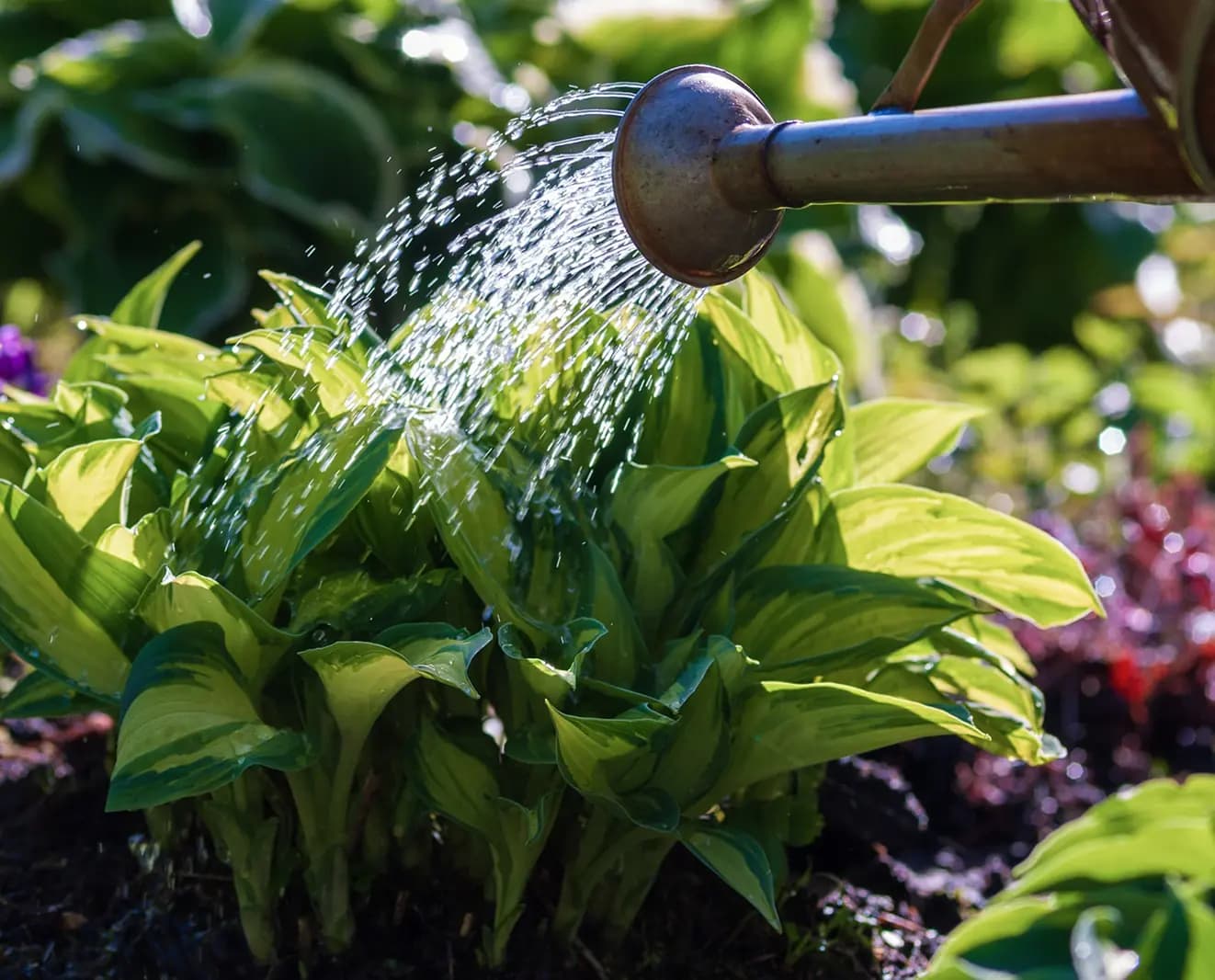
Watering a plant with a copper watering can
How to Winterize Your Garden in 6 Steps

5 min read · 28 Sept 2026

How to Winterize Your Garden in 6 Steps

Learn how to prepare your garden for winter with a practical six-step checklist covering cleanup, tender plant care, watering, mulching, winter protection, and winterizing equipment and containers.

Plant Care
How to Winterize Your Garden in 6 Steps
Top 5 Best Indoor Plants for Air Quality

5 min read · 11 Sept 2026

Top 5 Best Indoor Plants for Air Quality

Indoor plants can make a room feel fresher thanks to their air-purifying qualities. Here are 5 of the most suitable choices for your routine and living space.

Plant Recommendations
Top 5 Best Indoor Plants for Air Quality
How Long Can Flowers Go Without Water? Everything You Need to Know

6 min read · 10 Jul 2026

How Long Can Flowers Go Without Water? Everything You Need to Know

Flowers can survive without water anywhere from 1-2 hours to several months, depending on the plant type, species, and growing conditions. Some strong-looking flowers are drought-sensitive, while delicate-looking plants may tolerate long dry periods surprisingly well.

Plant Care
How Long Can Flowers Go Without Water? Everything You Need to Know