



Staghorn Fern (Platycerium superbum) Light Needs

Staghorn Fern grows best in bright, indirect or filtered light with limited gentle morning sun.

Light Preference

Bright Indirect Light

Platycerium superbum Light Requirements

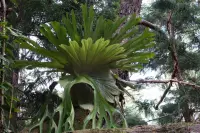
Platycerium superbum is native to humid forests of eastern Australia, where it grows attached to trees rather than rooted in open ground. Its fronds sit above the forest floor and receive bright filtered light, shifting shade, and occasional soft sun rather than harsh all-day exposure.

This background explains why cultivated plants handle partial shade but grow strongest with bright, indirect light.

  • Ideal exposure:

    Staghorn Fern needs about 6–8 hours of bright, indirect or filtered light daily, including up to 1–2 hours of gentle morning sun.

  • Direct sun:

    Avoid full sun; brief early sun is tolerated, but hot midday or afternoon rays can scorch exposed fronds.

  • Lower light:

    It can survive in partial shade, but growth is slower and new fronds may stay smaller.

  • Best timing:

    Morning light is safer than west-facing afternoon sun, especially near glass or outdoors in summer.

Indoors, Staghorn Fern needs a bright position with filtered light and protection from hot direct sun.

NConditional
North-facing window:

Use only if the window is large, unobstructed, and the plant sits close enough to receive bright daylight for most of the day.

EBest
East-facing window:

Place within a few feet of the window where it receives soft morning sun and bright indirect light afterward.

SSuitable
South-facing window:

Keep it 3–6 ft back from the glass or filter the light with a sheer curtain to prevent sun scorch.

WConditional
West-facing window:

Use a sheer curtain or place it several feet back so late-day rays do not strike the fronds directly.

Choose the brightest position that avoids hot direct afternoon rays on the fronds.

Excess light usually shows on exposed frond surfaces.

Bleached patches:

Pale tan or whitish areas can appear where direct sun hits the same fronds through glass.

Crisp exposed lobes:

Antler frond tips may dry and turn papery on the side facing harsh afternoon light.

Uneven shield color:

Shield fronds may brown faster on the sun-facing side, especially after a sudden move outdoors.

Faded green:

New fertile fronds can look washed out instead of a steady medium green under overly intense light.

Move Platycerium superbum out of direct afternoon sun and provide filtered bright light. Acclimate any brighter position over 1–2 weeks.

Low light tends to reduce vigor before it causes obvious damage.

  • Small new fronds:

    New antler fronds may emerge shorter, narrower, or less divided than older growth.

  • Leaning growth:

    Fertile fronds may angle toward the brightest nearby window instead of spreading evenly.

  • Long pauses:

    During spring and summer, Platycerium superbum may produce few new fronds when light is too weak.

  • Flat color:

    Fronds can look dull, dark green because the plant is not receiving enough energy for active growth.

Move it gradually to brighter indirect light, starting with a small change in distance or exposure. Avoid jumping straight into direct sun.

If ideal filtered light is not available, choose the brightest spot with no hot afternoon rays and keep the fronds close enough to receive clear daytime brightness.

Rotate the mount or hanging basket slightly every few weeks if growth leans toward one side.

Deep room corners are unsuitable because they limit new frond growth even when the plant stays green.

Get Personalized Care Plan

Scan your plant to receive care tips personalized for your specific plant

FAQ

The best light for Staghorn Fern is bright, indirect or filtered light for about 6–8 hours daily. Gentle morning sun is usually helpful, but strong afternoon sun is too intense.

Everything About Staghorn Fern

More Plant Light Guides

Get the Botan App

Discover how to care for your plants with Botan.

Botan app identifying a plant with a phone camera
How to Winterize Your Garden in 6 Steps

5 min read · 28 Sept 2026

How to Winterize Your Garden in 6 Steps

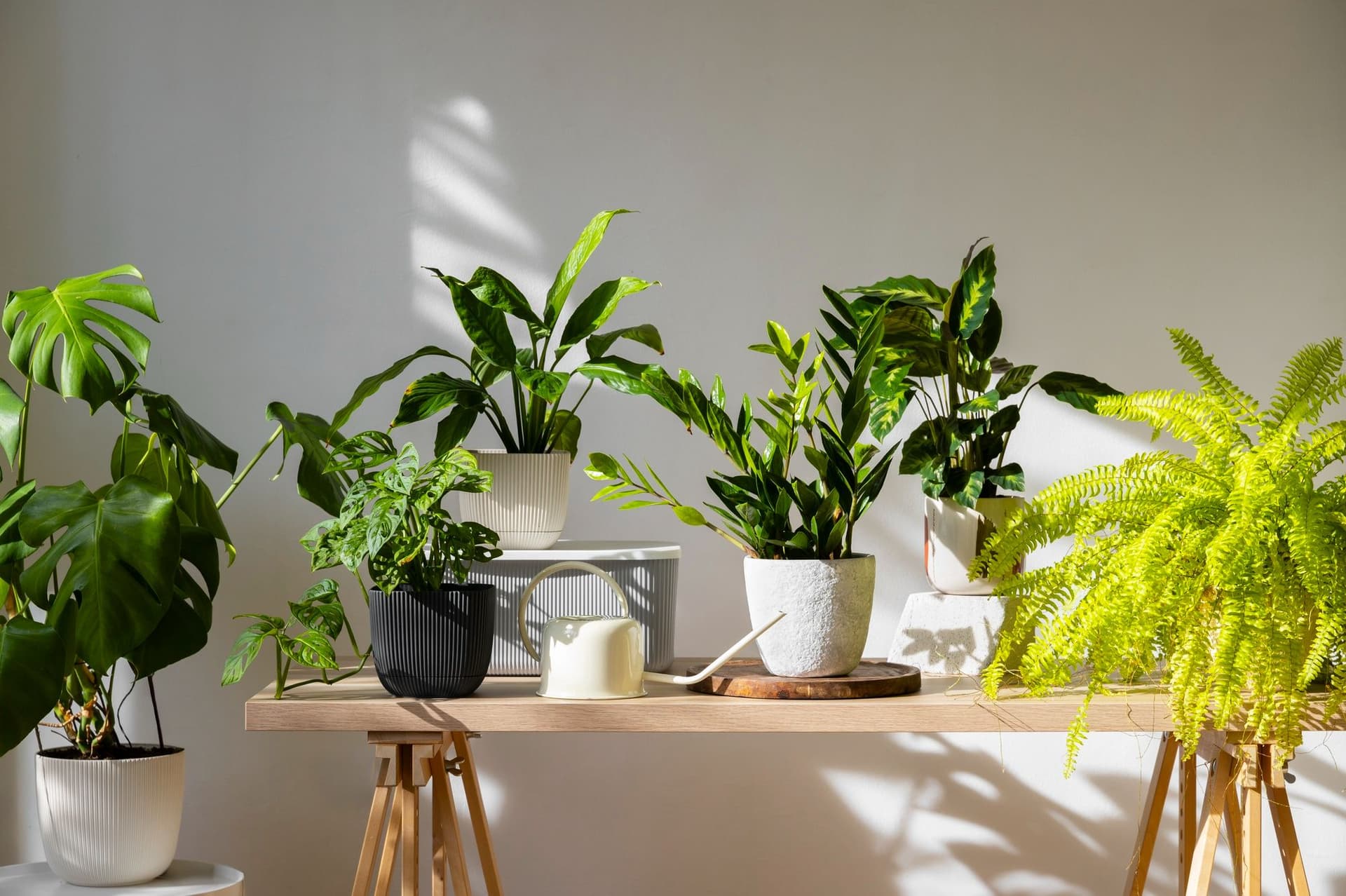
Learn how to prepare your garden for winter with a practical six-step checklist covering cleanup, tender plant care, watering, mulching, winter protection, and winterizing equipment and containers.

Plant Care
How to Winterize Your Garden in 6 Steps
Top 5 Best Indoor Plants for Air Quality

5 min read · 11 Sept 2026

Top 5 Best Indoor Plants for Air Quality

Indoor plants can make a room feel fresher thanks to their air-purifying qualities. Here are 5 of the most suitable choices for your routine and living space.

Plant Recommendations
Top 5 Best Indoor Plants for Air Quality
How Long Can Flowers Go Without Water? Everything You Need to Know

6 min read · 10 Jul 2026

How Long Can Flowers Go Without Water? Everything You Need to Know

Flowers can survive without water anywhere from 1-2 hours to several months, depending on the plant type, species, and growing conditions. Some strong-looking flowers are drought-sensitive, while delicate-looking plants may tolerate long dry periods surprisingly well.

Plant Care
How Long Can Flowers Go Without Water? Everything You Need to Know