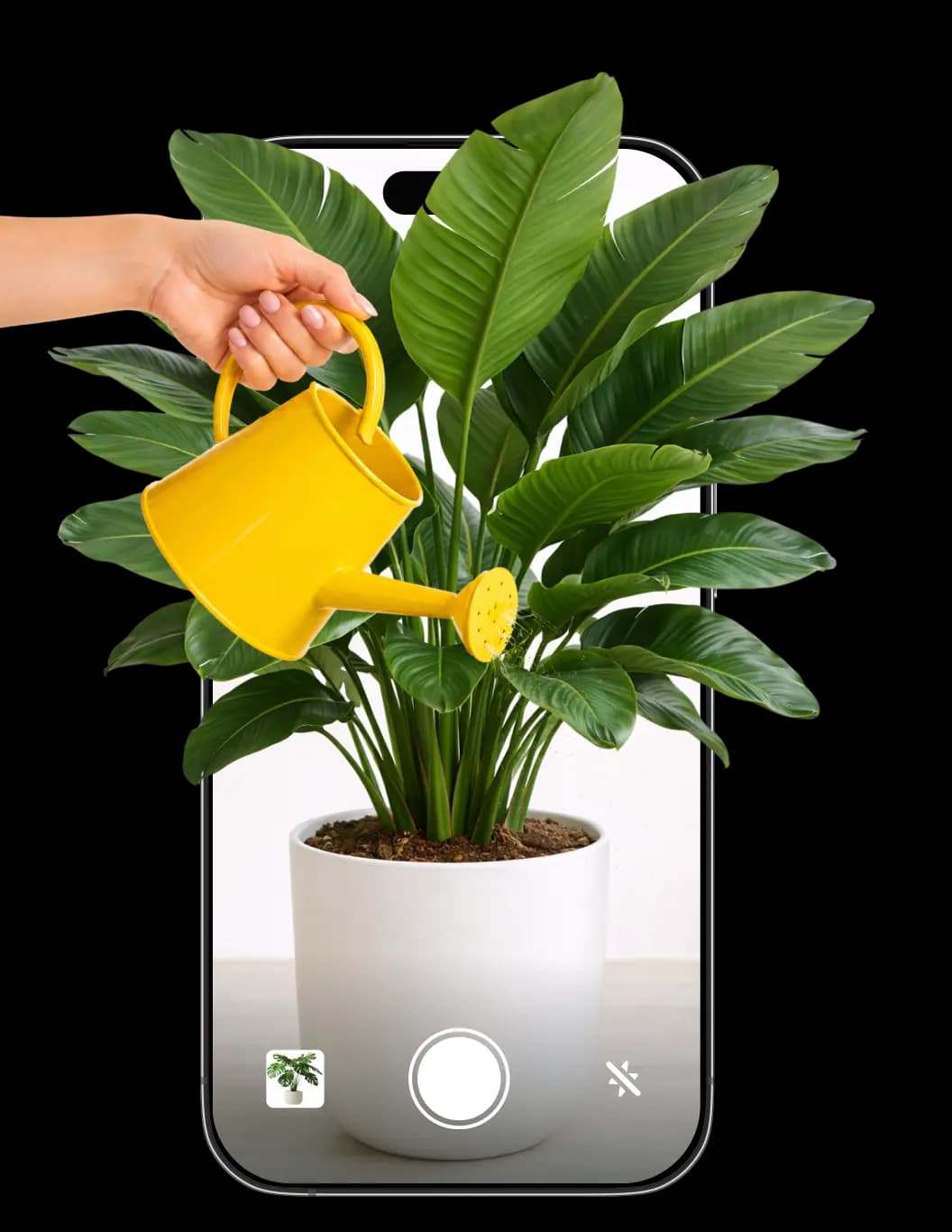
Croton (Codiaeum variegatum 'Petra') Watering Guide

This page explains when, how often, and how much to water Codiaeum variegatum 'Petra' for practical home care.

Water Requirements

Moderate Water

Codiaeum variegatum 'Petra' Watering

This colorful houseplant comes from warm, humid regions with distinct wet and slightly drier periods influencing its moisture needs. Codiaeum variegatum 'Petra' prefers soil that stays lightly moist, not soggy, with brief drying near the surface.

Indoors, watering Croton means balancing steady moisture with good air flow around the root zone. Outdoor plants in warm climates usually tolerate a bit more drying between thorough waterings than indoor container plants.

Water when the top 1–2 inches (3–5 cm) of soil feel dry, rather than on a fixed schedule. Codiaeum variegatum 'Petra' typically needs watering every 7–10 days in warm, bright indoor conditions. In lower light or during cooler months, expect the interval to stretch noticeably.

Water Croton when the top 1–2 inches (3–5 cm) of soil feel dry, aiming for steady, even moisture.

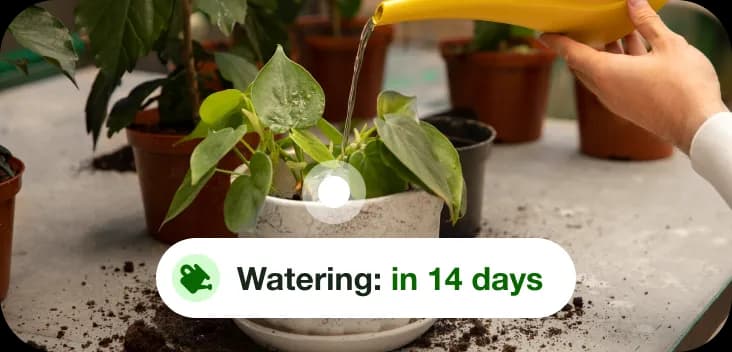
  • Pour room-temperature water slowly over the soil surface, circling the pot so moisture spreads evenly through the root zone.
  • Continue watering until a moderate stream comes from the drainage holes, then stop to avoid saturating the potting mix.
  • Let the pot drain thoroughly over a sink or tray, then discard any collected water so the container does not sit in it.
  • Keep water off leaves and stems where possible, focusing on the soil so foliage stays dry and clean.

Incorrect moisture levels stress Codiaeum variegatum 'Petra' and often trigger avoidable growth and foliage problems.

Crisp Leaf Edges:

Brown, crunchy margins usually signal underwatering or low humidity, especially near heating or cooling vents.

Sudden Leaf Drop:

Multiple leaves falling at once often follows waterlogged soil or drastic shifts in watering frequency.

Yellowing Lower Leaves:

Older leaves turning yellow with soggy soil typically indicate chronically poor drainage and early root stress.

Wilting With Wet Soil:

Drooping foliage despite moist mix suggests oxygen-starved roots from compacted substrate or clogged drainage holes.

Keep soil consistently moist but never saturated, balancing thorough watering with reliable drainage and airflow.

Unclear watering habits can stress Codiaeum variegatum 'Petra', weakening growth and color and making the plant more vulnerable to pests.

  • Watering by calendar: Following a fixed schedule instead of checking soil moisture often keeps roots either soggy or parched; test the top layer first.
  • Poorly draining soil: Using dense, peat‑heavy mixes holds water around the roots; choose a chunky, fast‑draining blend designed for indoor foliage plants.
  • Leaving water in saucer: Letting runoff sit under the pot keeps the root zone saturated; empty the saucer a few minutes after watering.

Aim for evenly moist, well‑drained soil and adjust timing to room conditions so the root zone can breathe between waterings.

  • Spring: Growth restarts; let the top inch of soil dry a bit less between waterings as new leaves and roots develop.
  • Summer: In bright, warm rooms, water more frequently, but still allow the top layer to dry and avoid standing water in saucers.
  • Fall: As light and temperatures drop, gradually lengthen the drying period to prevent soggy soil and root stress.
  • Winter: With slower growth and lower light, water sparingly, keeping soil slightly moist but never saturated, especially in cooler rooms.

Find the Right Watering Routine for Your Croton

Use Botan for a simple watering guide and care steps for Codiaeum variegatum 'Petra', plus gentle photo-based issue checks to spot watering stress and other early problems.

Botan plant care app — identify plants on mobile

Interesting Watering Facts

Moisture-linked leaf color

'Petra' cultivars tend to show their richest reds and oranges when kept in evenly moist, but not soggy, soil; prolonged dryness often leads to duller color and crisping at the leaf edges, even though the plant may not wilt immediately.


Sensitive to water quality

This croton cultivar often develops leaf spotting or marginal burn when watered long term with hard, high-fluoride, or heavily chlorinated tap water, so many growers use filtered or dechlorinated water to reduce cosmetic leaf damage.

FAQ

Let the top 2–3 inches of soil dry out, then remove any standing water. Check roots; trim soft, brown sections and repot in fresh, well‑draining mix. Water less often and adjust light and airflow.

More Plant Watering Guides

Is Your Watering Routine Hurting Your Croton?

Botan reviews your plant’s watering pattern and suggests simple adjustments when needed.

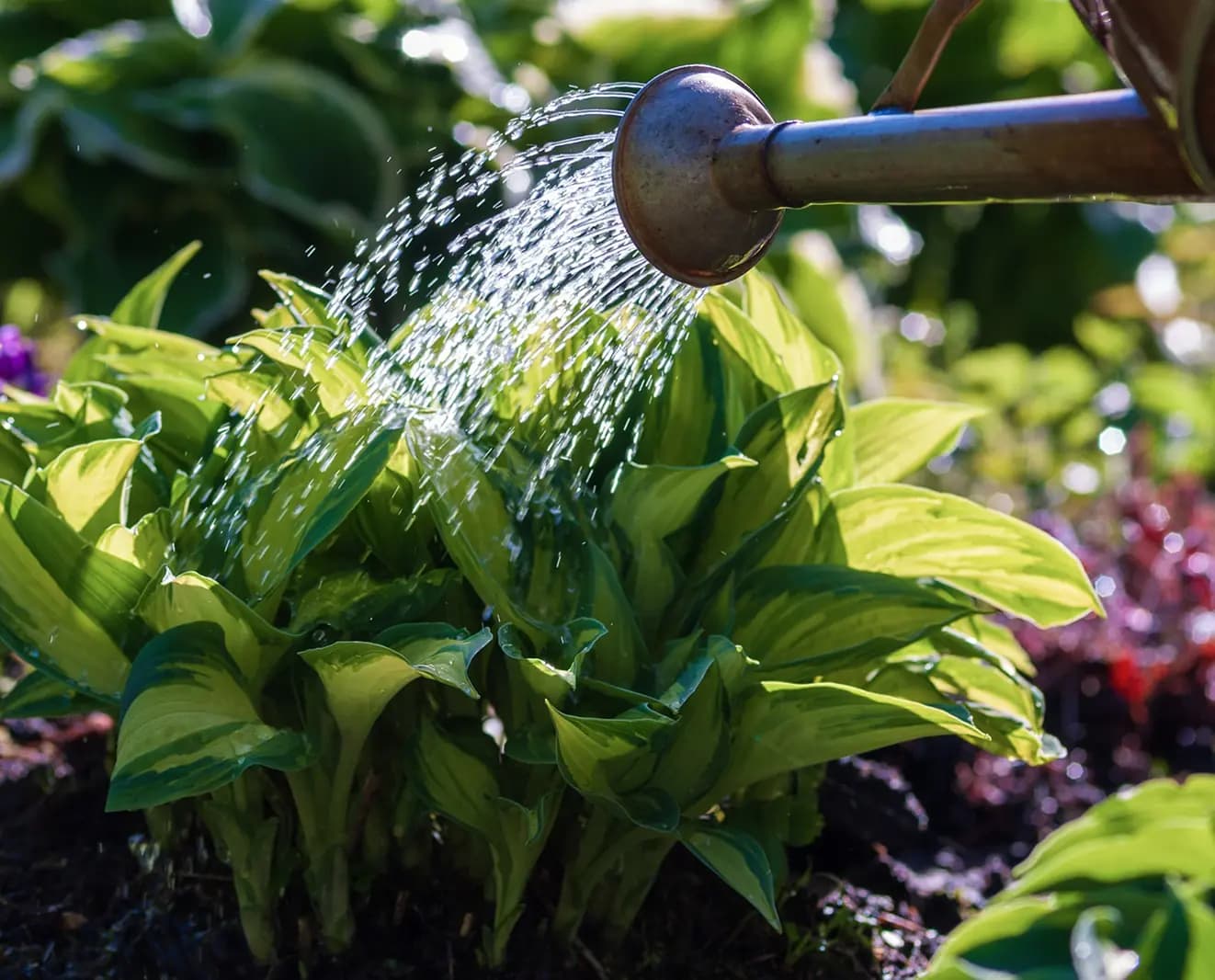
Watering a plant with a copper watering can
How to Group Plants in Landscaping: A Practical Layout Guide

8 min read · 31 Aug 2026

How to Group Plants in Landscaping: A Practical Layout Guide

Good plant grouping can mean the difference between a well-planned garden and one that looks sloppy. This guide explores layers, spacing, cluster shapes, and the plants that thrive when you group them.

Plant Care
How to Group Plants in Landscaping: A Practical Layout Guide
20 Most Popular Fruits Around the World

7 min read · 22 Jul 2026

20 Most Popular Fruits Around the World

Curious which fruits the world actually eats the most? Here's the top-20 by production volume, an overview of what people choose in each region, and a few figures that defy common assumptions.

Plant Recommendations
20 Most Popular Fruits Around the World
15 Best Scary Halloween Plants and Fungi for a Spooky Garden

8 min read · 9 Oct 2026

15 Best Scary Halloween Plants and Fungi for a Spooky Garden

Want a garden that looks eerie in October? Here are 15 Halloween plants and fungi, from carnivorous traps to bleeding mushrooms. For each species, we cover its appearance, care requirements, and potential uses in your landscape.

Plant Recommendations
15 Best Scary Halloween Plants and Fungi for a Spooky Garden