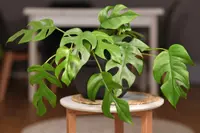
Succulent-like Water Storage
The thick, glossy leaves of Peperomia obtusifolia function as water-storage tissue, allowing the plant to tolerate short dry spells between rain events in its native tropical range without immediate leaf wilt.

This page explains when, how often, and how much to water Peperomia obtusifolia in straightforward terms.

Water Requirements
Moderate Water
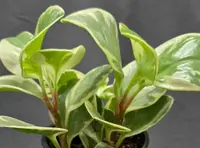
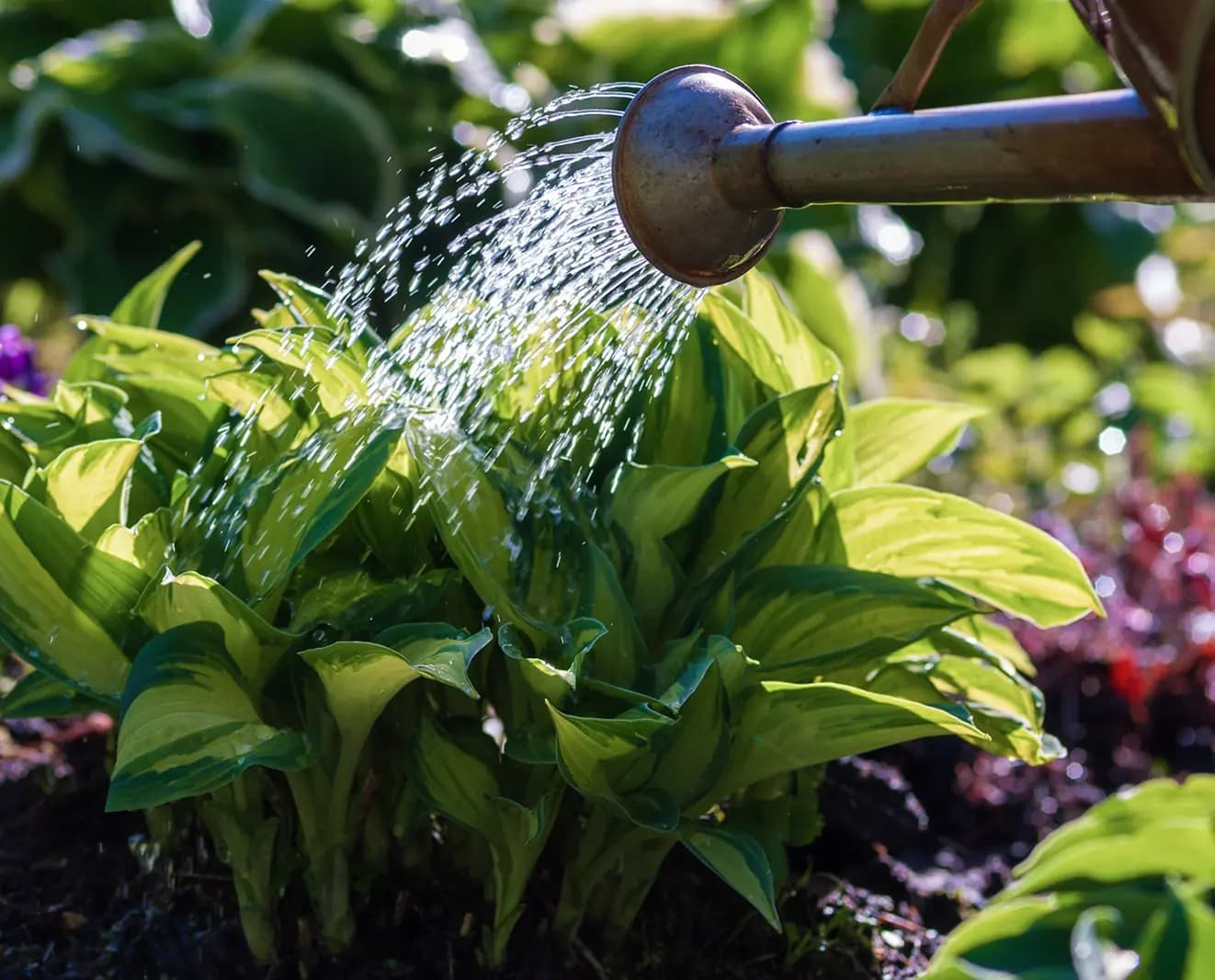
This compact houseplant thrives with a light, careful approach to watering Baby Rubberplant. In its native tropical forest understory, Peperomia obtusifolia experiences short rain bursts followed by gentle drying, not constant saturation.
Indoors, aim for soil that dries slightly between sessions yet never stays parched for long. Think of watering as small, occasional refreshes rather than deep, frequent soakings to support steady, healthy growth.
Allow the top 1–2 inches (3–5 cm) of soil to dry before watering again, as this species dislikes staying wet. In average indoor conditions, watering is typically needed about every 10–21 days, but plants in brighter light or warmer rooms may need water slightly more often.
Water Baby Rubberplant when the top 1–2 inches (3–5 cm) of soil feel dry and the pot feels lighter.
Incorrect moisture around Peperomia obtusifolia roots gradually leads to distinct, avoidable growth problems.
Older leaves turn soft and yellow from chronically wet soil and reduced root oxygen availability.
Stem bases collapse and blacken when roots sit in saturated potting mix without drainage.
Fleshy leaves pucker and droop after extended dryness, signaling depleted internal water reserves.
Leaf margins dry and brown when underwatering combines with strong sun or indoor heating.
New growth remains small when watering is inconsistent and soil cycles between extremes of dryness.
Keep soil lightly moist, never waterlogged, allowing partial drying between thorough waterings for steady growth.
Unsuitable watering habits can stress Peperomia obtusifolia, weakening growth and making baby rubberplant more sensitive to light, temperature, and pests.
Safer watering relies on airy soil, effective drainage, and responding to actual soil dryness rather than preset routines or guesswork.
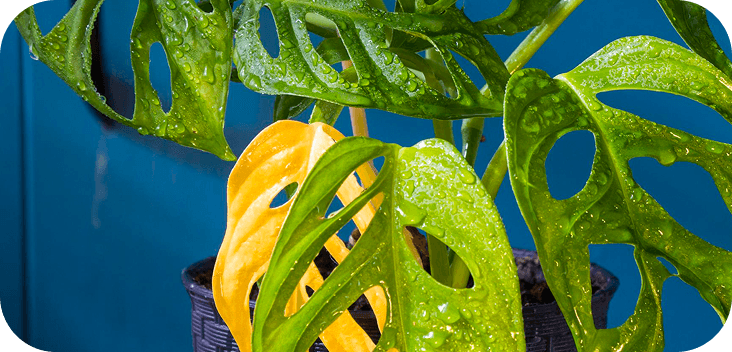
Is It Time to Water?
See whether your plant is ready for watering or needs more time to dry.
Use Botan for a clear watering guide and care reminders tailored to your Baby Rubberplant, plus gentle photo-based issue checks to spot stress or disease before it worsens.
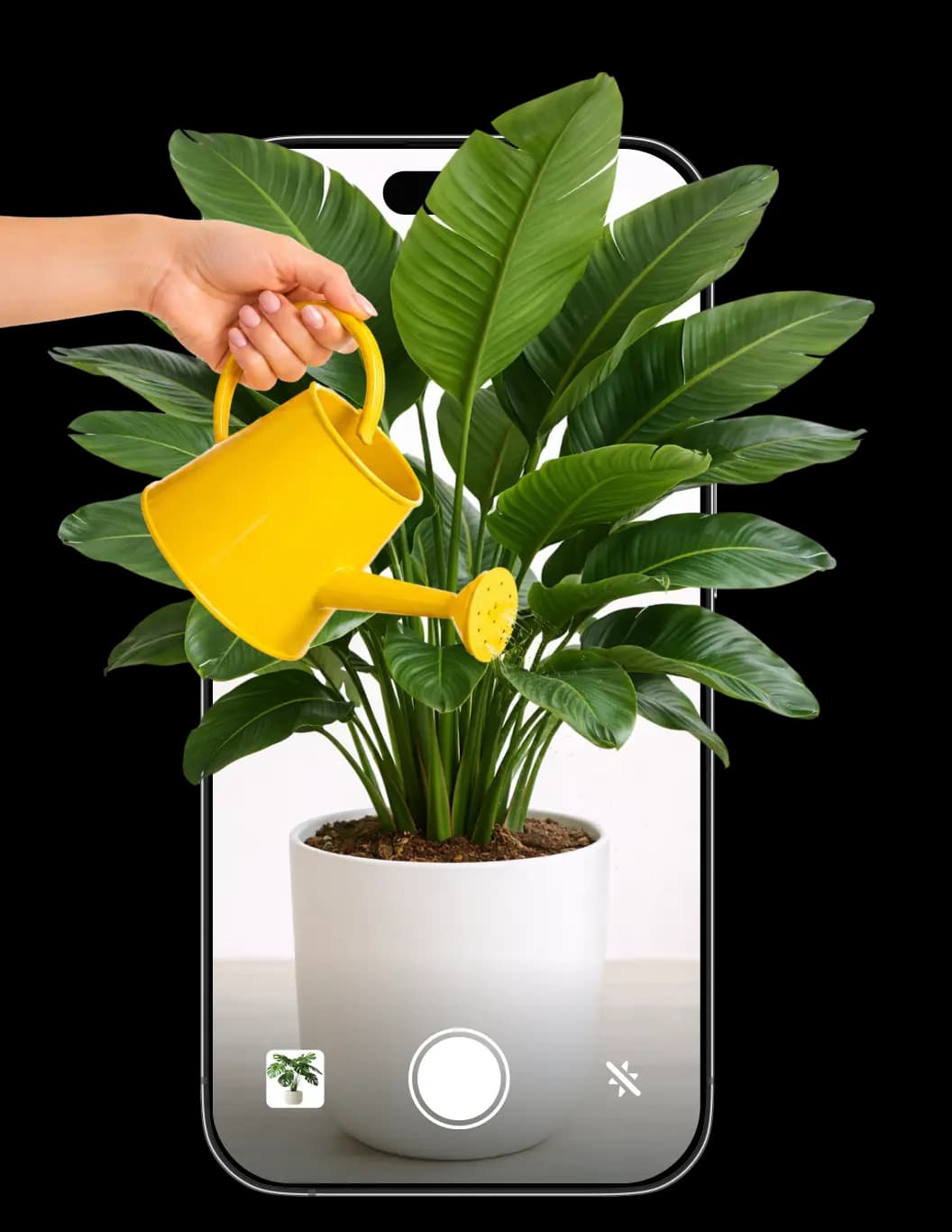
The thick, glossy leaves of Peperomia obtusifolia function as water-storage tissue, allowing the plant to tolerate short dry spells between rain events in its native tropical range without immediate leaf wilt.
In the wild, Peperomia obtusifolia often grows as an epiphyte on tree trunks, relying on brief, frequent tropical showers and humid air rather than deep, continuously wet soil for its water supply.
Yes. In lower light, growth slows and the potting mix dries more slowly. Let the top half of the soil dry before watering, and check moisture with a finger instead of following a fixed schedule.
Botan reviews your watering pattern so plants receive consistent, appropriate moisture over time.
8 min read · 31 Aug 2026
Good plant grouping can mean the difference between a well-planned garden and one that looks sloppy. This guide explores layers, spacing, cluster shapes, and the plants that thrive when you group them.
8 min read · 17 Sept 2026
Some plants thrive in dim rooms, shaded corners, and places with indirect light. In this guide, you’ll explore the top 15 species best suited to low-light conditions and how to care for them.
8 min read · 6 Jul 2026
Plants that repel mosquitoes can help mask human scent naturally and make outdoor spaces more comfortable. Explore the most effective options, their benefits and drawbacks, and choose the right plant for your space.


-1-200x133.webp)