


Devil's Ivy (Epipremnum pinnatum 'Cebu Blue') Watering Guide

This page explains when, how often, and how much to water Epipremnum pinnatum 'Cebu Blue' for consistent care.

Water Requirements

Moderate Water

Epipremnum pinnatum 'Cebu Blue' Watering

Native to humid tropical forests, this climbing aroid prefers light, even moisture without staying wet for long. Indoors, Epipremnum pinnatum 'Cebu Blue' does best when the potting mix partly dries between thorough waterings.

Think of watering Devil's Ivy as gently mimicking short tropical showers followed by brief drying periods. Indoors and outdoors, the core approach is similar, but outdoor plants usually dry a bit faster and need closer observation.

Water Epipremnum pinnatum 'Cebu Blue' when the top 1–2 inches (3–5 cm) of soil feel dry, rather than by a fixed schedule. This usually means about every 7–14 days indoors, with brighter light or warmer temperatures shortening the interval and lower light stretching it out.

Water when the top 1–2 inches (3–5 cm) of potting mix feel dry and the pot feels lighter; moisten evenly.

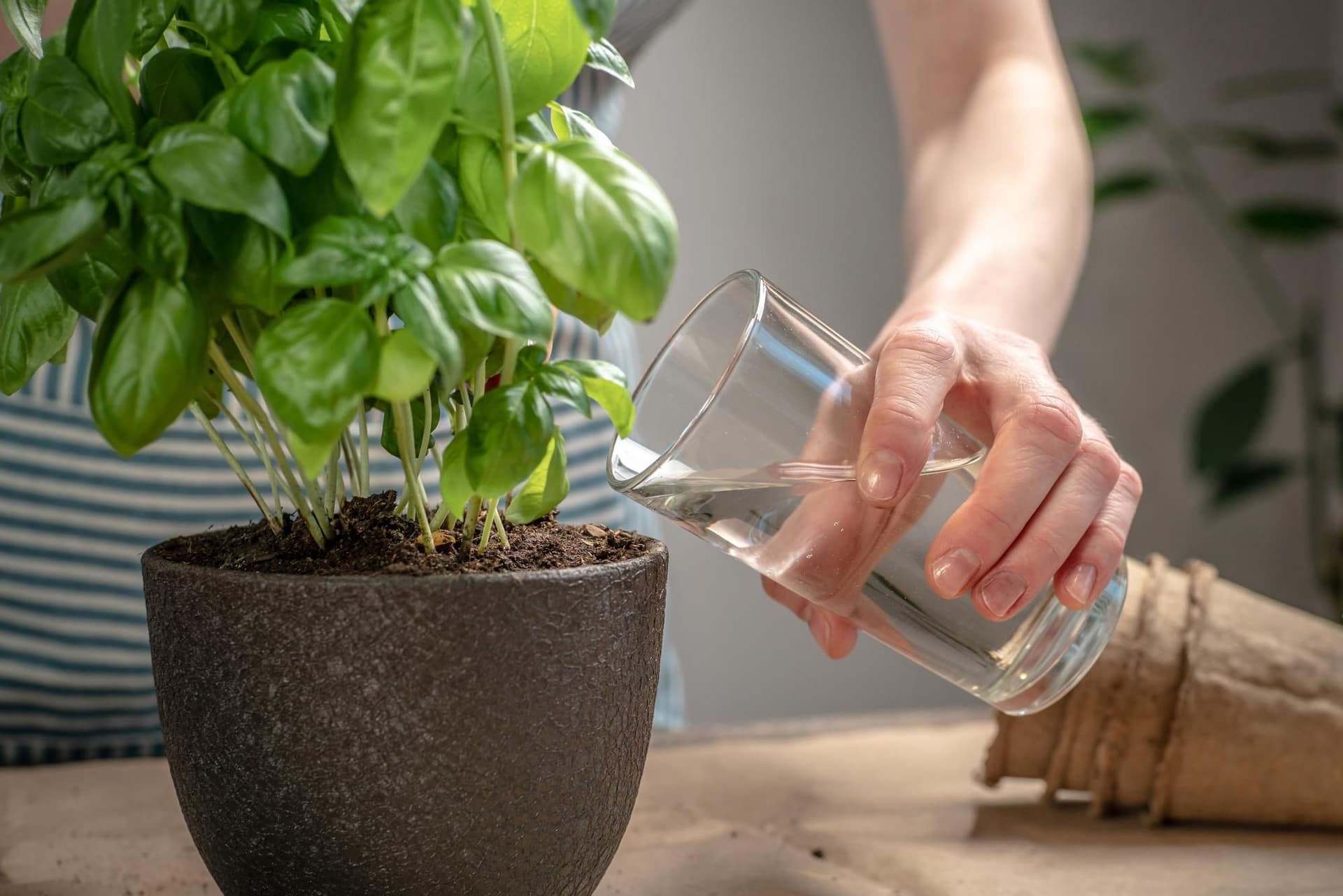
  • Pour room-temperature water slowly over the mix surface until it flows from the drainage holes in a steady stream.
  • Rotate the pot as you pour so the entire root zone is evenly soaked, avoiding dry pockets near the edges.
  • Let the pot drain fully for several minutes, then empty saucers or cachepots so roots do not sit in leftover water.

Improper moisture balance may trigger health problems for Epipremnum pinnatum 'Cebu Blue' indoors.

Yellowing Lower Leaves:

Older leaves yellow and drop as roots suffocate in persistently wet, poorly aerated potting mix.

Brown Leaf Tips:

Dry, crisp tips develop when watering is infrequent or humidity stays very low for long periods.

Wilting With Wet Soil:

Limp stems and soft leaves despite damp substrate suggest early root rot and oxygen deprivation.

Mushy, Blackened Roots:

Slimy, dark roots appear after chronic overwatering, requiring trimming and a faster-draining mixture.

Curling, Drooping Foliage:

Leaves curl and sag when the root zone repeatedly swings between extreme dryness and heavy saturation.

Keep the root zone consistently lightly moist, avoiding prolonged saturation or complete drying between waterings.

Unsuitable watering habits can stress Epipremnum pinnatum 'Cebu Blue', weakening growth and foliage color and making Devil's Ivy less resilient indoors.

  • Watering by schedule: Following a strict calendar encourages swings between soggy and bone-dry soil; instead, water only when the top layer feels dry to touch.
  • Dense, moisture-holding soil: Using heavy potting mixes keeps the root zone wet for too long; choose a chunky, fast-draining mix with added perlite or bark.
  • Letting runoff sit: Leaving water in the saucer keeps lower roots submerged; empty saucers soon after watering so excess moisture can drain away.

Aim for moderate, consistent moisture with thorough watering, free drainage, and short drying periods rather than rigid schedules or constantly wet soil.

  • Spring: Growth usually speeds up, so check soil more often and water when the top 1–2 inches feel dry, avoiding constant moisture.
  • Summer: In warm, bright rooms, soil may dry faster; increase monitoring but allow partial drying between waterings to prevent root stress.
  • Fall: As light and growth slow, extend the time between waterings, keeping the mix slightly drier while leaves still look firm.
  • Winter: In cooler, lower light conditions, water less frequently and ensure the potting mix dries deeper to limit cold, soggy roots.

Stop Guessing — Water Smarter with Botan

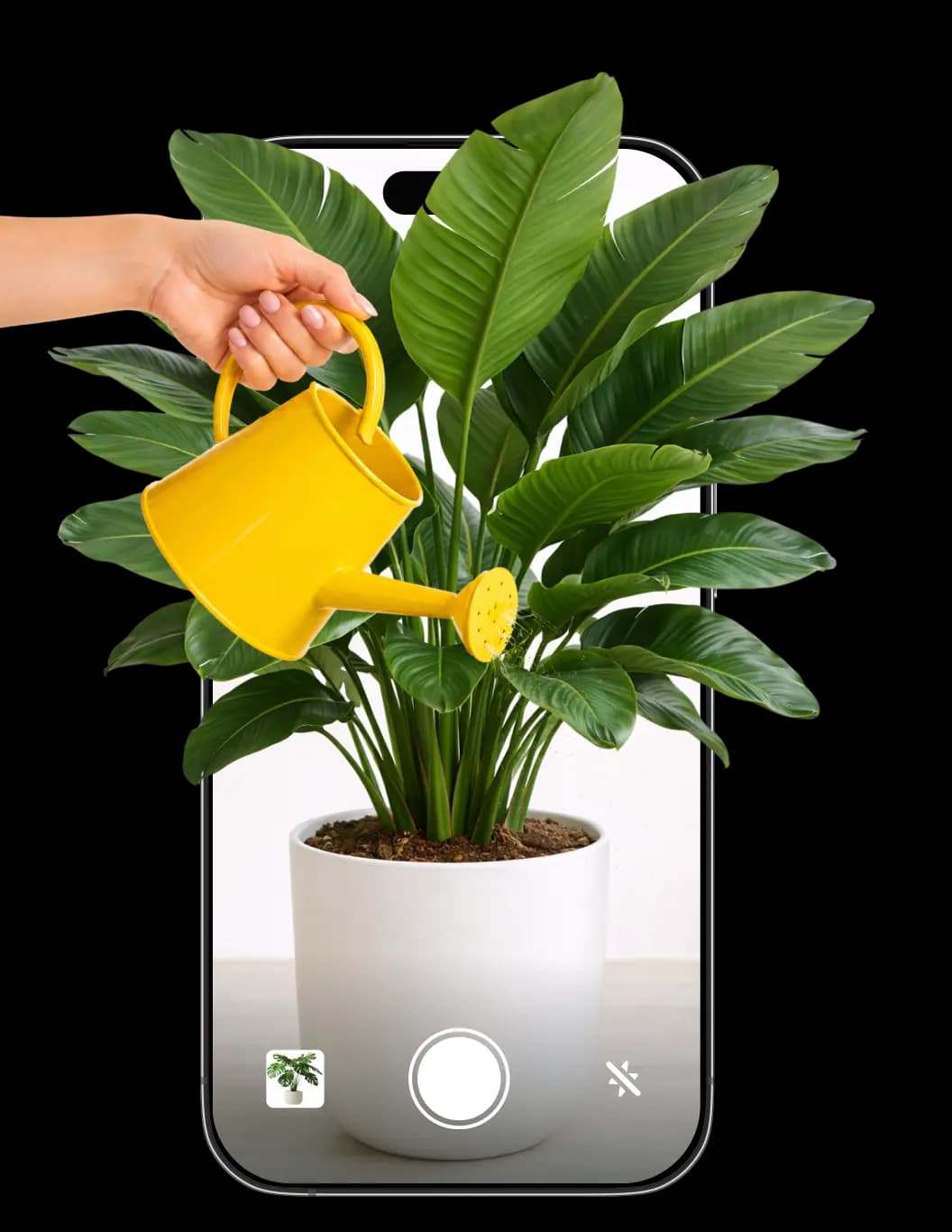
Use Botan for a clear watering guide and simple care routines for Epipremnum pinnatum 'Cebu Blue'. The app also reviews plant photos to help spot early watering or health issues.

Botan plant care app — identify plants on mobile

FAQ

Water thoroughly right after repotting to settle soil around the roots, then let excess drain completely. After that, wait until the top 1–2 inches of mix feel dry before the next watering to avoid stress.

More Plant Watering Guides

Is Your Watering Routine Hurting Your Devil's Ivy?

Botan evaluates your watering pattern to show if it suits your plant’s needs.

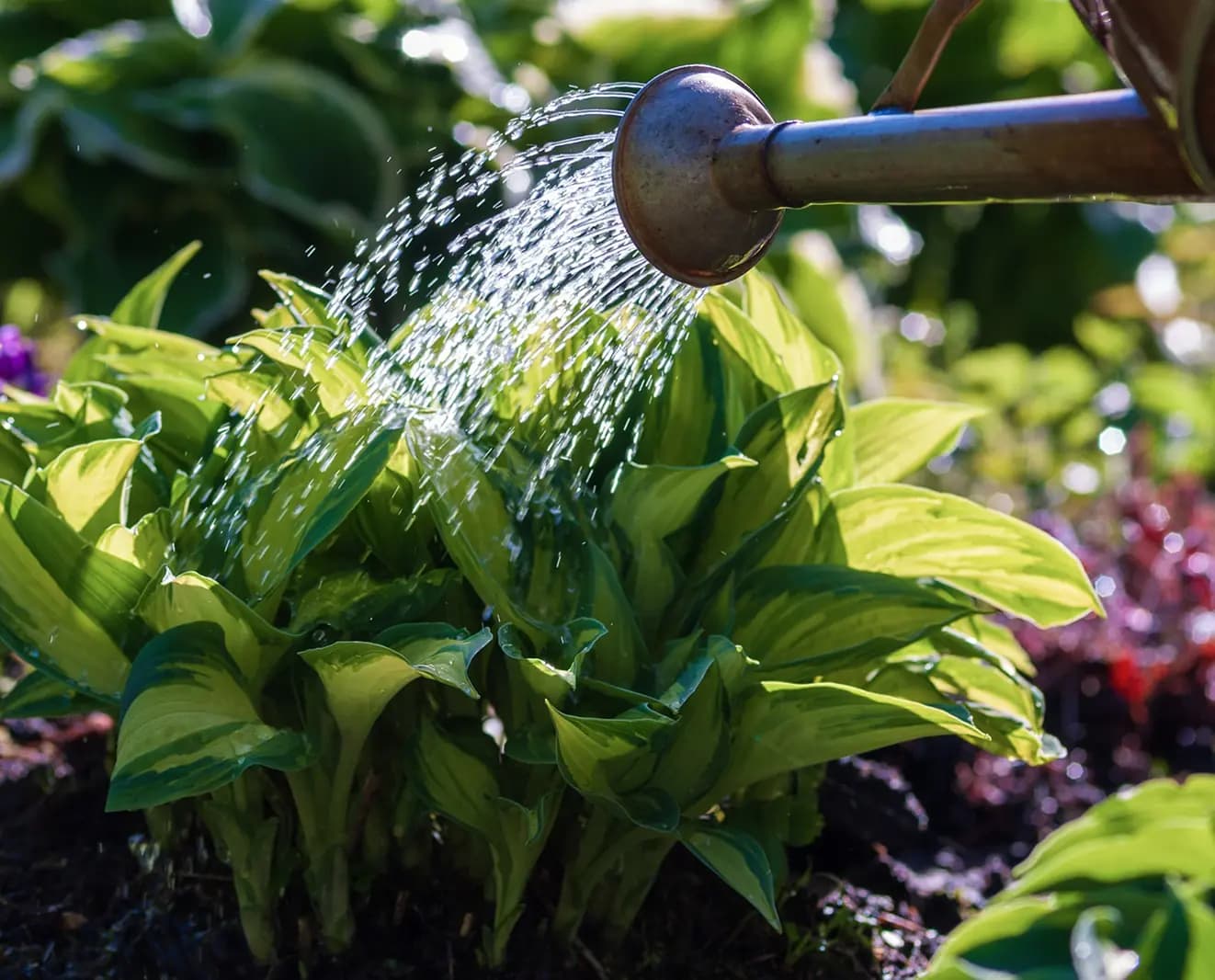
Watering a plant with a copper watering can
Is Sugar Water Good for Plants?

4 min read · 14 Sept 2026

Is Sugar Water Good for Plants?

Sugar water may sound like an easy boost, but most rooted plants do not need extra sucrose. This guide explains how green tissues produce carbohydrates, when a sweetened solution can be useful, and why too much can cause problems.

Plant Care

Is Sugar Water Good for Plants?
Best Bedroom Plants – Top 10 to Grow in Your Space

8 min read · 8 Jul 2026

Best Bedroom Plants – Top 10 to Grow in Your Space

Discover the top 10 houseplants that are suitable for growing in your bedroom. Compare their light and water needs, pet safety, and benefits. Find out where best to place greenery in your relaxation space and what species to avoid.

Plant Recommendations
Best Bedroom Plants – Top 10 to Grow in Your Space
Plants That Repel Mosquitoes – 10 Effective Choices

8 min read · 6 Jul 2026

Plants That Repel Mosquitoes – 10 Effective Choices

Plants that repel mosquitoes can help mask human scent naturally and make outdoor spaces more comfortable. Explore the most effective options, their benefits and drawbacks, and choose the right plant for your space.

Plant Recommendations
Plants That Repel Mosquitoes – 10 Effective Choices