Semi‑succulent drought tolerance
Tradescantia pallida has semi‑succulent leaves and stems that store moisture, which allows it to withstand dry periods far better than many other ornamental groundcovers in subtropical landscapes.

This page explains when, how often, and how much to water Tradescantia pallida for steady, controlled growth.

Water Requirements
Moderate Water
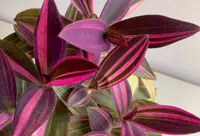
This drought-tolerant groundcover from seasonally dry regions prefers soil that dries slightly between waterings, not constant moisture. Indoors, watering Purple Heart focuses on keeping the root zone lightly moist, then allowing a brief dry period.
Outdoors in beds, Tradescantia pallida generally tolerates drier conditions than plants in containers, which lose moisture faster. These basics give a starting point for adjusting watering to light, temperature, and potting conditions in your space.
Water when the top 1–2 inches (3–5 cm) of soil feel dry, as this species dislikes staying constantly wet. Indoors, this typically means watering about every 7–10 days, while brighter light or outdoor summer heat can shorten that interval. In lower light, the gap between waterings usually lengthens.
Water Purple Heart when the top 1-2 inches (3-5 cm) of soil feel dry, aiming for even, moderate moisture.
Incorrect moisture levels can disrupt Tradescantia pallida growth and appearance indoors or outdoors.
Soft, sagging growth usually indicates prolonged underwatering or compacted soil that drains too quickly.
Older leaves turning yellow often result from chronic overwatering and oxygen-poor, waterlogged potting mix.
Dry, browned margins typically develop when soil repeatedly dries completely between waterings.
Soft, darkened joints suggest rot from consistently soggy substrate or containers without drainage holes.
Aim for lightly moist, fast-draining soil, allowing partial drying between thorough waterings to prevent stress.
Unsuitable watering habits can weaken Tradescantia pallida, leaving Purple Heart less compact, more prone to breakage, and slower to regrow.
Aim for lightly moist, fast-draining soil that dries on top between waterings, supported by free-draining mix, container, and clean saucers.
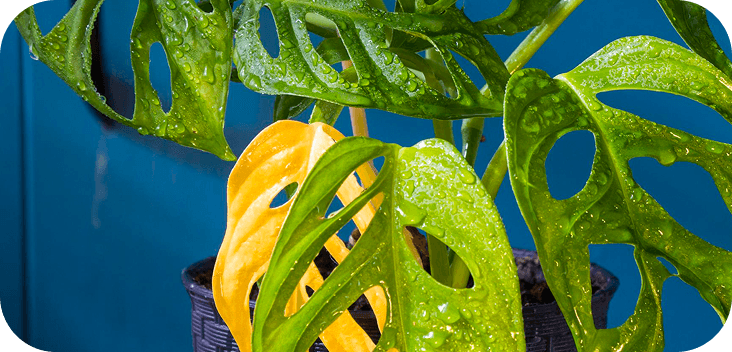
Is It Time to Water?
See whether your plant is ready for watering or needs more time to dry.
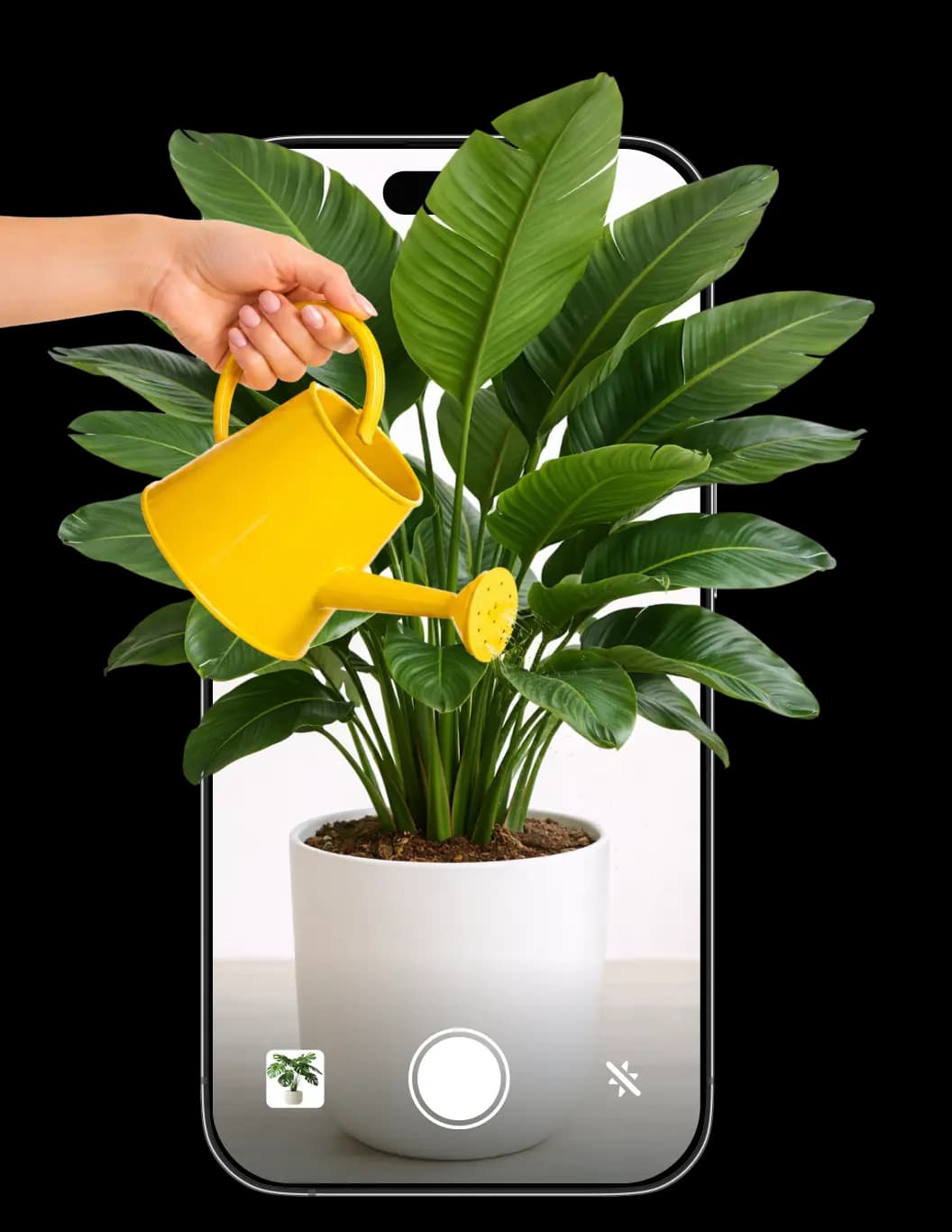
Use Botan to get a clear watering guide and practical care steps for Tradescantia pallida, plus gentle photo-based checkups that highlight early signs of stress or emerging plant issues.
Tradescantia pallida has semi‑succulent leaves and stems that store moisture, which allows it to withstand dry periods far better than many other ornamental groundcovers in subtropical landscapes.
In its naturalized outdoor habitats, this species often appears wilted and dull in dry spells but quickly rehydrates and produces fresh purple growth within days after substantial rainfall.
Although it tolerates high humidity and occasional heavy rain, Tradescantia pallida is prone to stem and root rot in poorly drained, waterlogged soils, which is why it persists best in gritty or sloped sites that shed excess water.
Yes. Standing water keeps roots saturated, blocks oxygen, and encourages rot. After watering, empty the saucer within 10–15 minutes so excess moisture can drain away and the root zone can dry slightly.
Botan reviews your watering habits and suggests simple, tailored adjustments.
8 min read · 17 Sept 2026
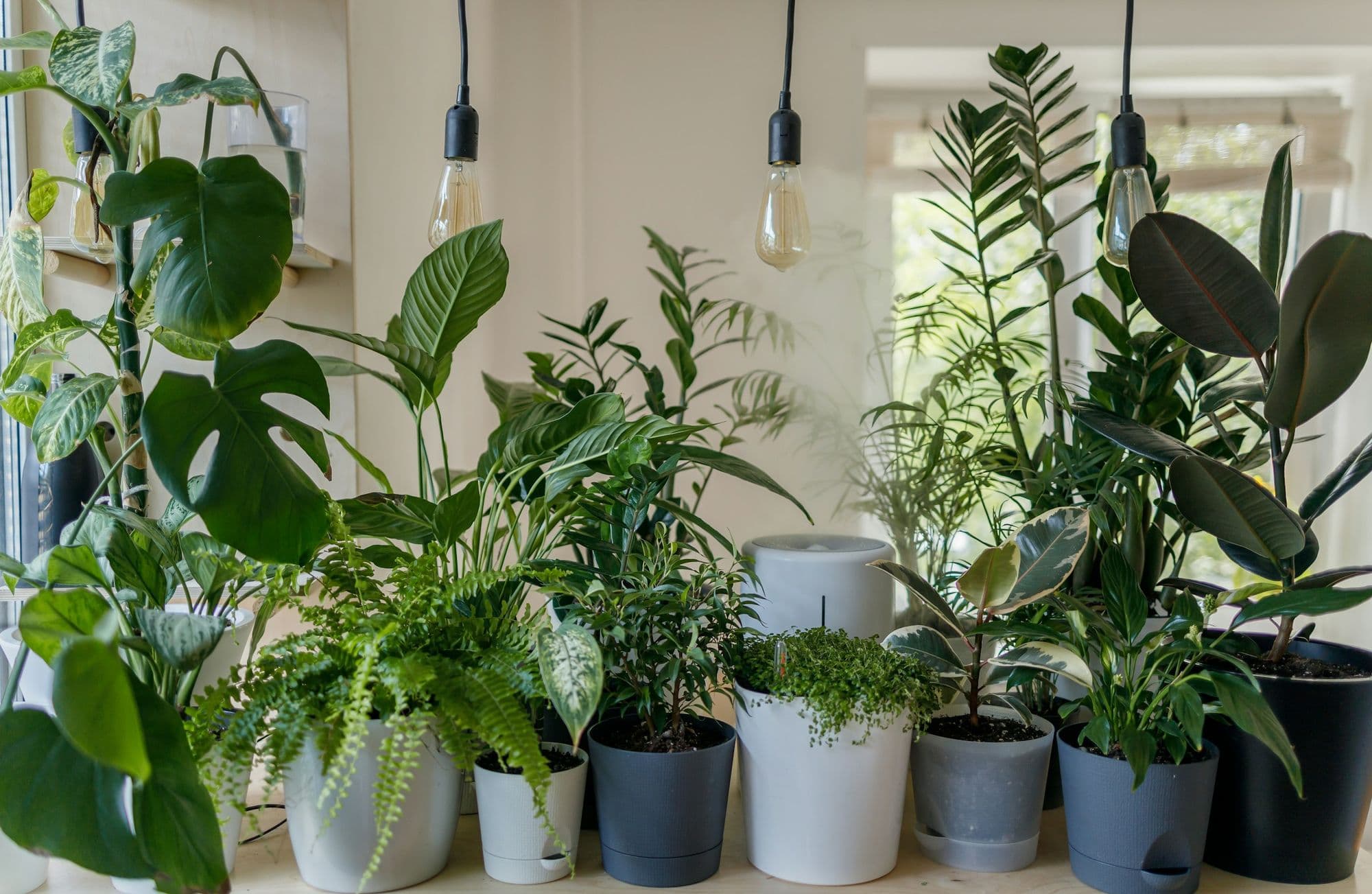
Some plants thrive in dim rooms, shaded corners, and places with indirect light. In this guide, you’ll explore the top 15 species best suited to low-light conditions and how to care for them.
5 min read · 10 Aug 2026
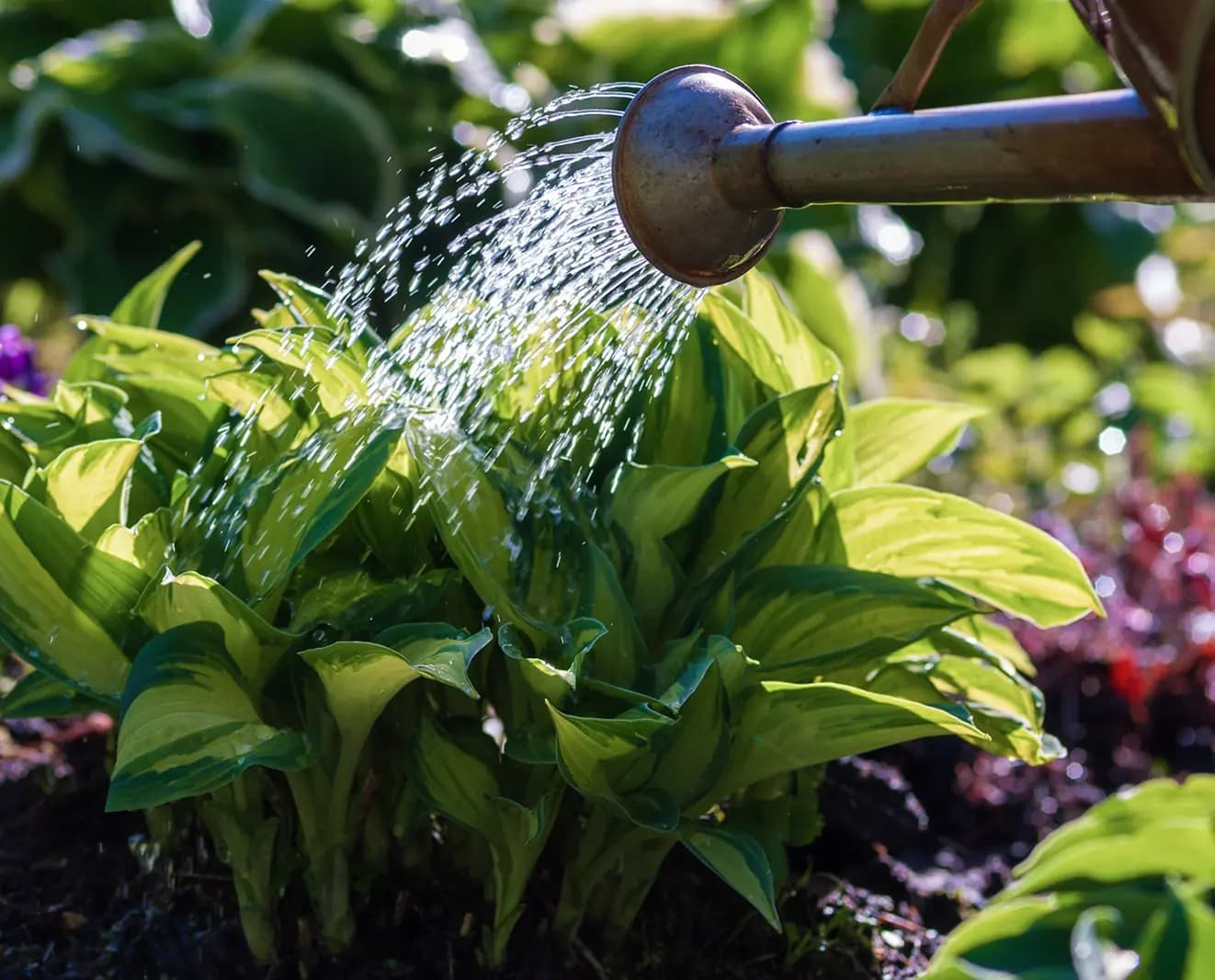
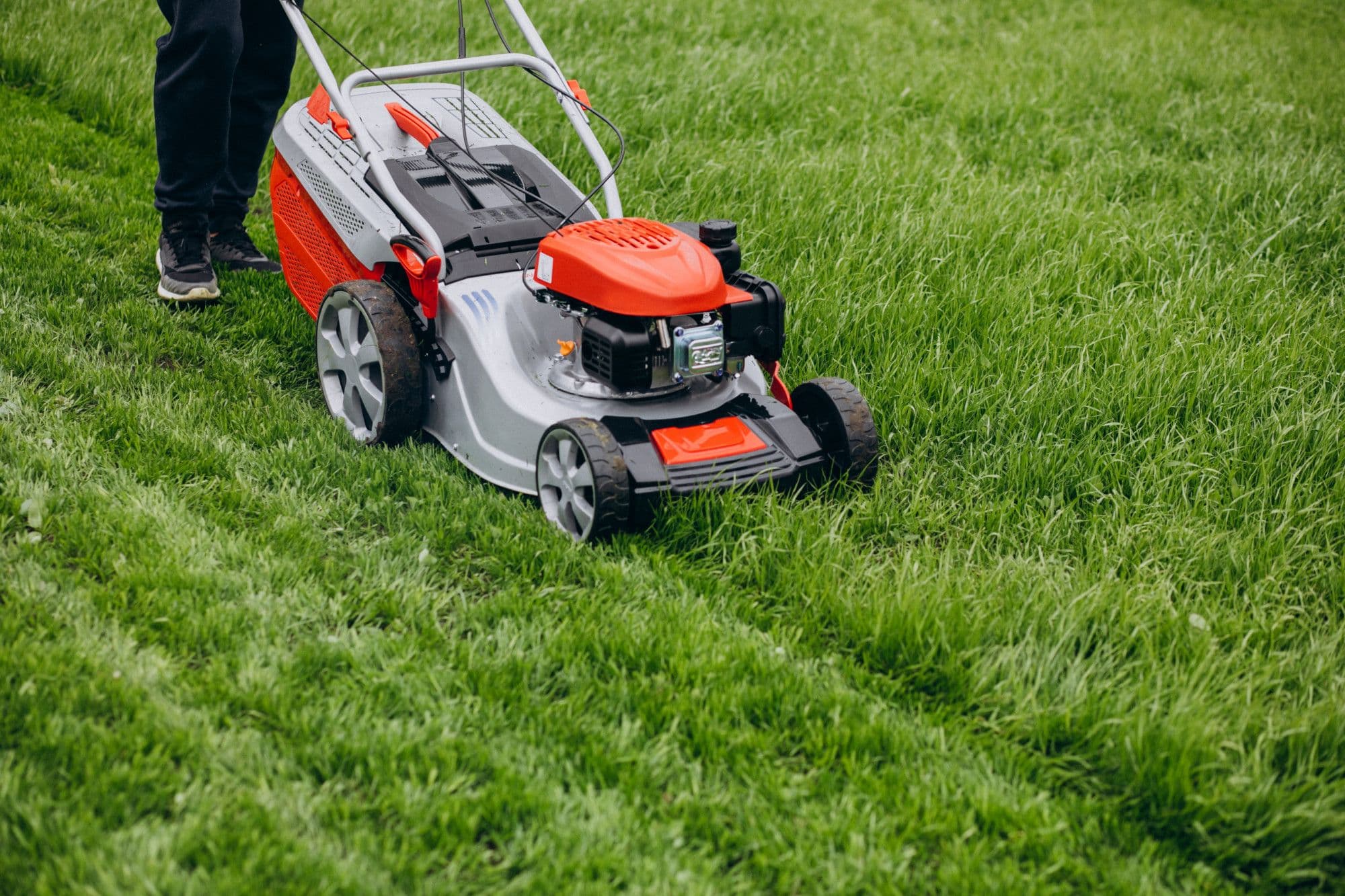
Explore when to mow your lawn for its health and a pleasant green color. Find out the best time for this task during the summer heat, and follow practical tips for correctly cutting the grass, and learn common mistakes to avoid.

10 min read · 7 Jul 2026
Bamboo grows extremely fast: some species can reach 5-6 m in just 3-4 months under the right conditions. This guide explains how much bamboo can grow per day, week, and year, and what affects its growth rate.