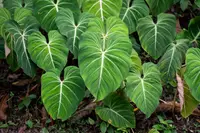
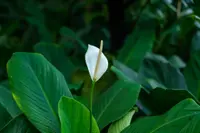
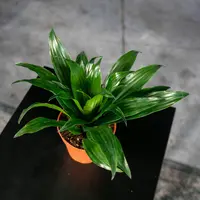
Rain‑washed coastal native
In the wild on Lord Howe Island, this species grows in coastal forests exposed to frequent ocean rain and moist maritime air, which helps explain its preference for evenly moist, but not waterlogged, soil in cultivation.


This page explains when, how often, and how much to water Howea forsteriana in straightforward, practical terms.

Water Requirements
Moderate Water

Native to oceanic island forests with steady, gentle moisture, this palm prefers slightly moist, never soggy, soil indoors. Howea forsteriana adapts well to typical home conditions, but watering Kentia palm correctly means avoiding both constant wetness and complete dryness.
Think of its natural habitat as moderately humid with intermittent rainfall, guiding a balanced approach between underwatering and overwatering. Indoors and in containers it benefits from more controlled, even moisture than mature landscape specimens in mild outdoor climates.
Let the top 1–2 inches (3–5 cm) of soil dry before watering again; the pot should feel noticeably lighter. Indoors, this usually means watering about every 10–21 days. Warmer temperatures or brighter light shorten the interval, while lower light or cooler rooms extend it.
Water Kentia palm when the top 1–2 inches (3–5 cm) of soil feel dry and the pot feels lighter.
Incorrect moisture levels can weaken Howea forsteriana and trigger several avoidable health problems indoors.
Older leaves turn uniformly yellow from the base when soil stays wet and drainage is poor.
Dry, crisp tips appear when watering is infrequent, humidity is low, or salts accumulate in soil.
Limp, downward-arching leaves develop after prolonged dryness or when roots suffer from compacted mix.
Sour smell and unstable trunk occur when roots sit in waterlogged, poorly aerated potting soil.
Keep soil evenly moist but never saturated, allowing the top layer to dry slightly between thorough waterings.
Unsuitable watering habits weaken Howea forsteriana by stressing the roots, upsetting moisture balance, and making the plant less resilient indoors.
Safer watering focuses on responsive habits: assess soil moisture, drainage, and container setup before adding or withholding water.
Is It Time to Water?
See whether your plant is ready for watering or needs more time to dry.
Use Botan for a tailored watering guide and simple care steps for Kentia palm, plus gentle photo-based issue checks to spot common problems before they progress.
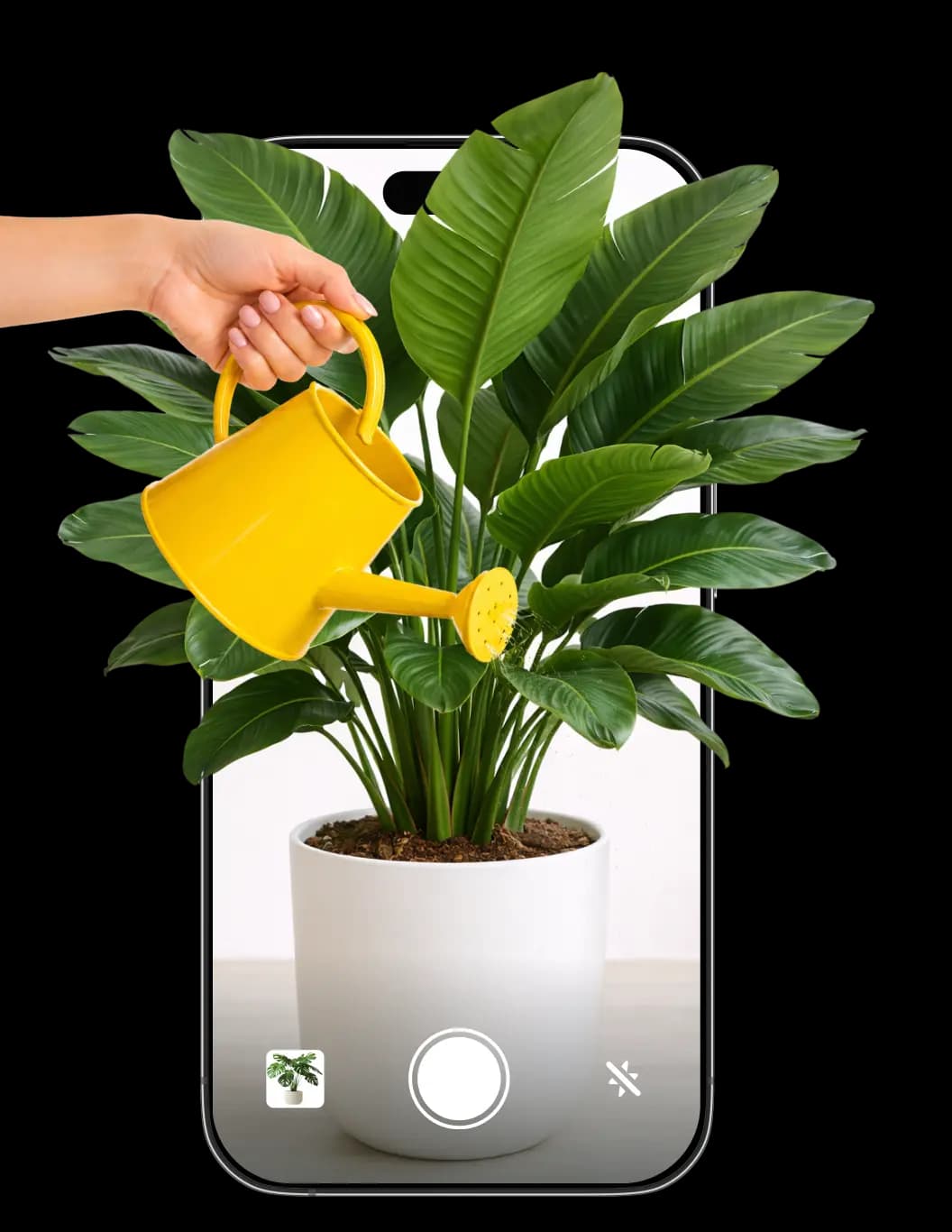
In the wild on Lord Howe Island, this species grows in coastal forests exposed to frequent ocean rain and moist maritime air, which helps explain its preference for evenly moist, but not waterlogged, soil in cultivation.
Howea forsteriana occurs close to the shore where wind‑blown sea spray can reach the soil, so its roots tolerate some salt, making it somewhat more forgiving of tap water with moderate mineral content compared with many other indoor palms.
In its native habitat, it often grows under taller canopy trees where the soil stays humid but drains well, shaping its houseplant preference for consistent moisture, bright indirect light, and protection from intense midday sun that would dry the root zone too fast.
There is no fixed schedule. In bright indoor light, water when the top 1–2 inches of soil feel dry. In lower light, this may be every 10–21 days. Adjust how often to water with season and room temperature.
Botan reviews your watering pattern and flags when adjustments could support healthier moisture levels.
12 min read · 7 Aug 2026
A front yard tree can stay for decades. Therefore, choosing one deserves serious consideration. Here are 13 trees that have proven themselves, sorted by their purpose. You'll also find five species to avoid and basic planting information.
8 min read · 24 Jul 2026
Spiders constantly appear in places you don't want them. A few common plants can help repel them using scent alone. Here are 12 options suitable for both indoors and outdoors, plus care tips for each.
9 min read · 29 Sept 2026
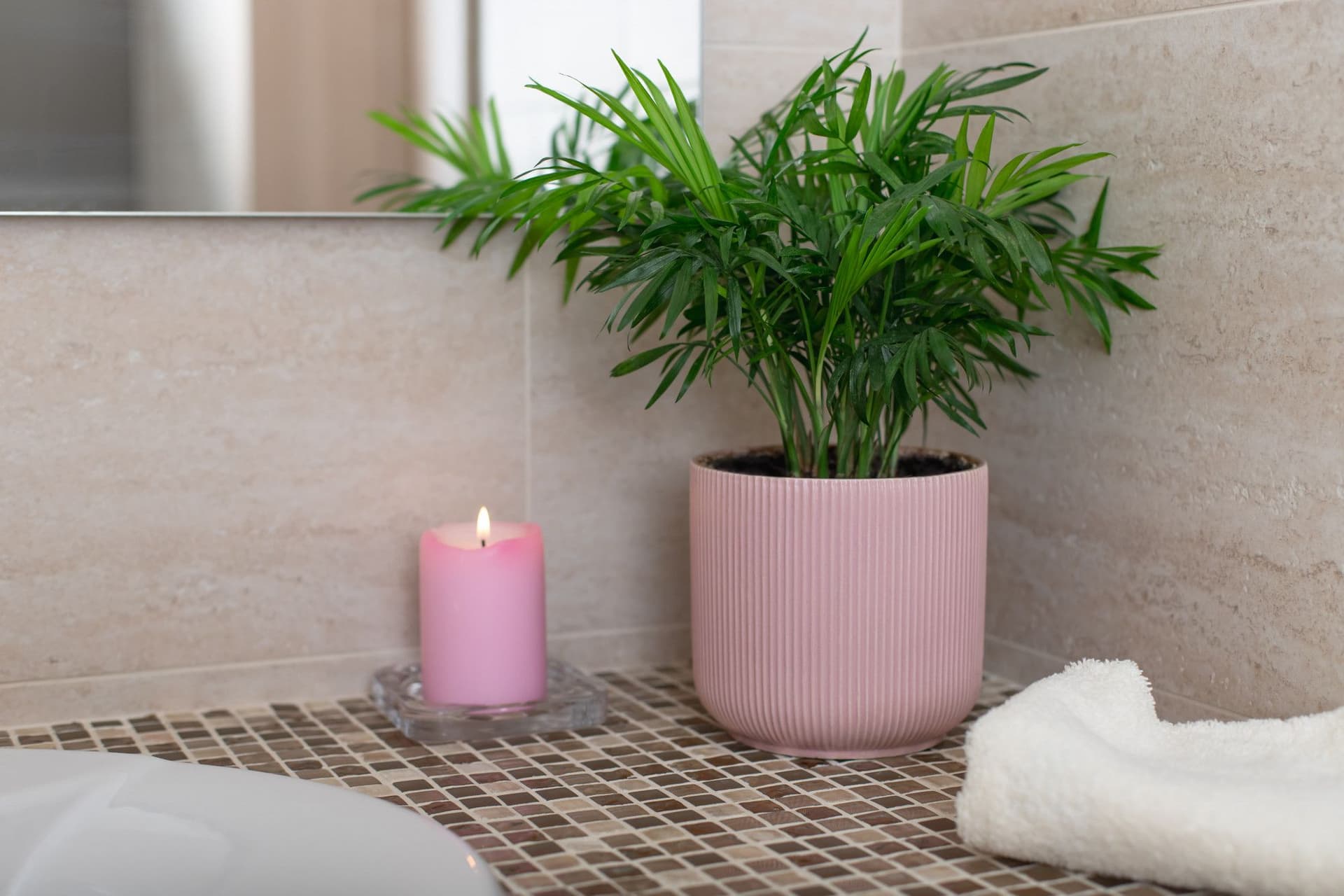
Discover the 12 best plants for bathroom spaces. Each pick comes with its own advantages, plus light, humidity, watering, and placement tips. Take a look and match the plant to your specific bathroom.