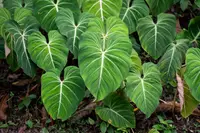

Philodendron gloriosum Watering Guide

This page explains when, how often, and how much to water Philodendron gloriosum to maintain steady soil moisture.

Water Requirements

Moderate Water

Philodendron gloriosum Watering

Native to humid tropical forest floors, Philodendron gloriosum prefers gently moist soil rather than long dry spells. Indoors, watering Philodendron gloriosum centers on keeping the root zone evenly damp while allowing brief surface drying.

Most growers keep this species primarily as a houseplant, where consistent, moderate moisture works best. Outdoor or greenhouse plants usually match the same approach but may need adjusted frequency to reflect stronger light and airflow.

Water when the top 1–2 inches (3–5 cm) of soil feel dry and no longer cool to the touch. This usually means watering about every 7–10 days in warm, bright indoor conditions, though lower light or cooler rooms often extend the interval between waterings.

Water Philodendron gloriosum when the top half of the potting mix feels dry, using slow, deep watering that respects its shallow roots.

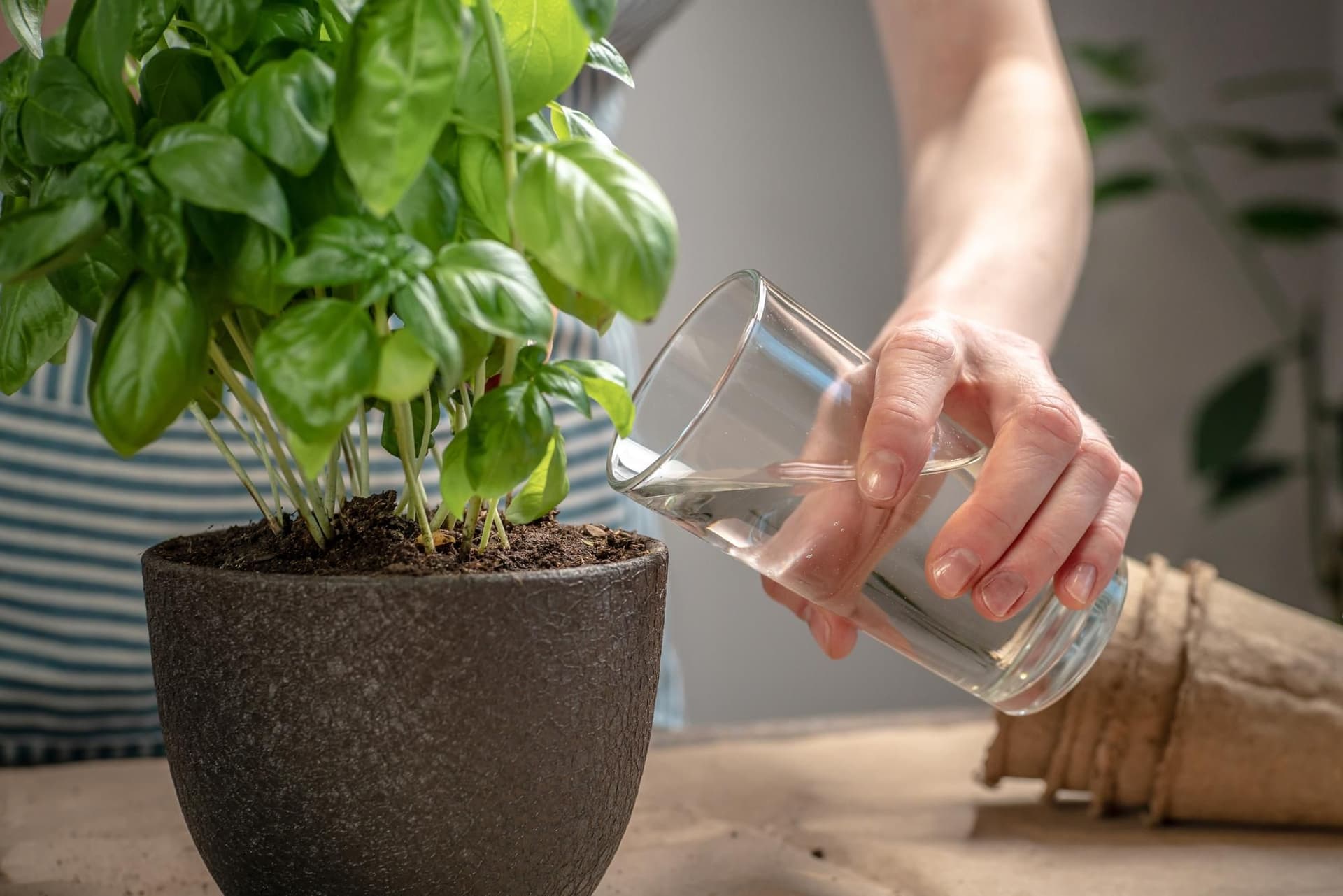
  • Pour room-temperature water evenly over the soil surface, avoiding direct contact with petioles and leaf bases to reduce moisture sitting there.
  • Continue adding water until it flows freely from the drainage holes, ensuring the entire root zone is thoroughly moistened.
  • Let the pot drain for several minutes, then empty saucers so the container does not sit in standing water.
  • Use top-watering rather than bottom-watering, since this airy terrestrial species prefers fresh water flushing through its loose mix.

Improper moisture levels can quickly stress Philodendron gloriosum and trigger a range of problems.

Yellowing Lower Leaves:

Older leaves gradually yellow and drop when soil stays wet too long between infrequent drenches.

Brown Leaf Edges:

Crisp, brown margins appear when watering is sparse and humidity remains consistently too low.

Wilting With Wet Soil:

Limp foliage despite moist mix suggests oxygen-poor roots from compaction or chronic overwatering.

Soft, Mushy Roots:

Black, foul-smelling roots indicate rot from poor drainage and constantly saturated potting mix.

Keep the root zone lightly moist in airy mix, avoiding both prolonged dryness and saturation.

Inconsistent, poorly planned watering habits can stress Philodendron gloriosum, slowing growth and weakening its large, velvety leaves over time.

  • Rigid watering schedule: Watering on the same calendar day each week ignores seasonal changes; instead, check the top soil and water only when it feels dry.
  • Heavy, compact soil: Using dense potting mixes keeps roots wet too long; choose a chunky, airy aroid mix that drains and dries more predictably.
  • Poor pot and saucer use: Planting in pots without drainage or leaving runoff in the saucer keeps roots saturated; empty saucers and ensure free-draining containers.

Thoughtful watering for this species means letting the mix partly dry, then flushing through freely and removing any standing excess water.

  • Spring: As new leaves and roots develop, slightly increase watering, keeping the soil evenly moist but never soggy to protect thick rhizomes from rot.
  • Summer: In warm, bright conditions, check moisture more often; water when the top layer feels dry, and ensure extra airflow around the pot.
  • Fall: Growth slows, so extend the time between waterings, letting the upper soil dry more before adding water to prevent lingering wetness.
  • Winter: With reduced light and cooler rooms, water sparingly, keeping soil just lightly moist and avoiding cold water directly on roots and rhizomes.

Your Philodendron gloriosum Care Companion

Use Botan to get a clear watering guide and step-by-step care procedures for Philodendron gloriosum, plus gentle photo-based issue checks to spot common problems early.

Botan plant care app — identify plants on mobile

Interesting Watering Facts

Creeping Terrestrial Habit

Unlike many climbing philodendrons, this species naturally creeps along the forest floor, spreading a thick rhizome that sits at or just above the soil surface, which is prone to rot if kept in waterlogged or compacted substrates.


Seasonally Moist Forest Floor

In its native Colombian and surrounding tropical forests, it grows where soils are consistently moist but not flooded, experiencing frequent rain with good drainage, which explains its preference for evenly damp, airy potting mixes in cultivation.

FAQ

Light, occasional misting is fine but not essential. Focus on keeping the potting mix evenly moist and the air moderately humid. Avoid heavy, frequent misting that keeps leaves wet for long periods, as this encourages fungal issues.

Everything About Philodendron gloriosum

More Plant Watering Guides

Is Your Watering Routine Hurting Your Philodendron gloriosum?

Use Botan to review watering patterns and see if moisture levels stay on track.

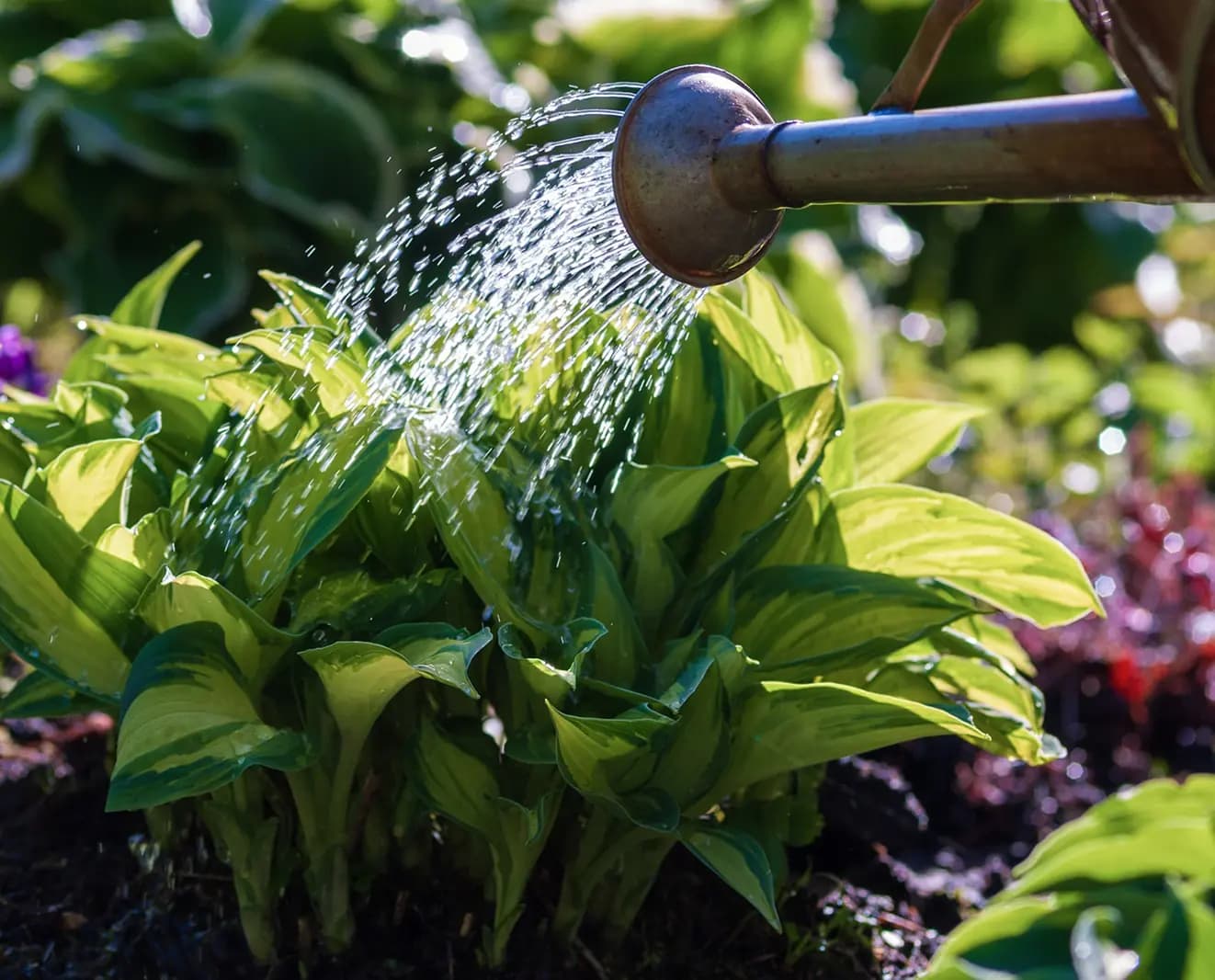
Watering a plant with a copper watering can
How to Increase Humidity for Plants – 8 Simple Ways That Work

8 min read · 14 Aug 2026

How to Increase Humidity for Plants – 8 Simple Ways That Work

Dry indoor air stresses a lot of houseplants. You usually notice it first in the browning leaf tips. This guide describes 8 simple ways to raise the moisture around your plants, from humidifiers to pebble trays.

Plant Care
How to Increase Humidity for Plants – 8 Simple Ways That Work
Best Fertilizer for Vegetable Gardens – What to Use for Each Plant

11 min read · 20 Jul 2026

Best Fertilizer for Vegetable Gardens – What to Use for Each Plant

Here, you’ll find the right fertilizer formula for vegetables in your garden. Learn how to adjust feeding correctly throughout the growing cycle, spot nutrient deficiencies by their symptoms, and keep your plants healthy and prolific.

Plant Recommendations
Best Fertilizer for Vegetable Gardens – What to Use for Each Plant
Plants That Repel Bugs – 20 Effective Options

12 min read · 16 Jul 2026

Plants That Repel Bugs – 20 Effective Options

Mosquitoes on the patio? Gnats in the kitchen? Some plants keep them away with the scent of their own leaves. Here are 20 that deal with mosquitoes, flies, aphids, and more, plus where to put them so they help.

Plant Recommendations
Plants That Repel Bugs – 20 Effective Options