

Kentia palm (Howea forsteriana) Light Needs

Kentia palm grows best in bright, indirect light with a little gentle morning sun when acclimated.

Light Preference

Bright Indirect Light

Howea forsteriana Light Requirements

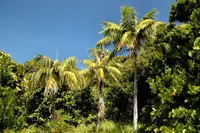
Kentia palm is native to Lord Howe Island, where young plants often grow beneath taller canopy and along sheltered forest edges. Light is bright but softened by overhead vegetation, with periods of partial sun in open coastal sites. This background explains why cultivated plants tolerate shade, yet form fuller, stronger growth with steady filtered light. Preferred light is bright, indirect or filtered light.

  • Ideal exposure:

    Kentia palm needs about 6–8 hours of bright, indirect or filtered light daily, including up to 2–3 hours of gentle direct morning sun.

  • Tolerated sun:

    Full sun can be handled outdoors after gradual acclimation, but harsh indoor afternoon rays can scorch fronds.

  • Lower light:

    Shade is tolerated, but growth becomes slower and new fronds may be smaller in dim rooms.

  • Best timing:

    Morning sun is safer than afternoon sun because it gives direct light with less heat stress.

Indoors, placement should balance bright ambient light with protection from hot direct afternoon sun.

NConditional
North-facing window:

Use a north-facing window only if it is bright and unobstructed, since dim rooms can slow new growth.

EBest
East-facing window:

An east-facing window is often ideal because it gives soft morning sun and bright light without the hottest rays.

SConditional
South-facing window:

Place it 3–6 ft from a south-facing window, or use a sheer curtain to soften direct sun.

WConditional
West-facing window:

Keep it several feet from a west-facing window or filter the afternoon sun to reduce scorch risk.

Rotate the pot occasionally if light reaches one side more strongly than the other.

Strong sun usually causes problems after a sudden move or during hot afternoon exposure.

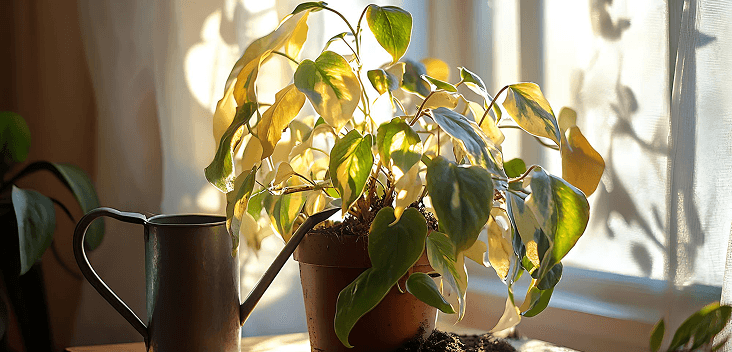
Bleached frond patches:

Flat tan or pale areas on the upper side of fronds can appear where direct sun hits through glass.

Crisp leaflet tips:

Leaflets may become dry and brittle on the sun-facing side, especially near a hot window.

Faded green color:

Newer fronds can look washed out rather than deep green when light is stronger than the plant is used to.

One-sided damage:

Marks often show on the side facing the light, while shaded fronds remain normal.

Move the plant out of direct afternoon sun and give it bright filtered light. If increasing sun outdoors, acclimate Howea forsteriana over several weeks.

Low light often shows as weak new growth rather than sudden collapse. Changes are easiest to see during spring and summer.

  • Leaning crown:

    The crown may angle toward the nearest bright source when light reaches only one side.

  • Smaller fronds:

    New fronds can emerge shorter or narrower than older growth during the active season.

  • Open, sparse look:

    Longer spacing between fronds can make the plant look thinner over time.

  • Very slow growth:

    Little or no new growth in warm months can point to insufficient light when other care is steady.

Move it closer to a brighter source with filtered light. Increase exposure gradually so older fronds do not scorch.

If ideal brightness is limited, choose the brightest suitable spot rather than deep shade. Keep the fronds out of hot afternoon rays by adding distance or a sheer curtain.

Rotate the pot a quarter turn every 2–4 weeks to keep the crown balanced.

A dim corner several feet from natural light is a poor long-term setup because new fronds will form slowly and weakly.

Get Personalized Care Plan

Scan your plant to receive care tips personalized for your specific plant

FAQ

Kentia palm light requirements are bright, indirect or filtered light for most of the day. Gentle morning sun is useful, while hot afternoon sun is more likely to cause stress.

Everything About Kentia palm

More Plant Light Guides

Get the Botan App

Discover how to care for your plants with Botan.

Botan app identifying a plant with a phone camera
Plants That Repel Bugs – 20 Effective Options

12 min read · 16 Jul 2026

Plants That Repel Bugs – 20 Effective Options

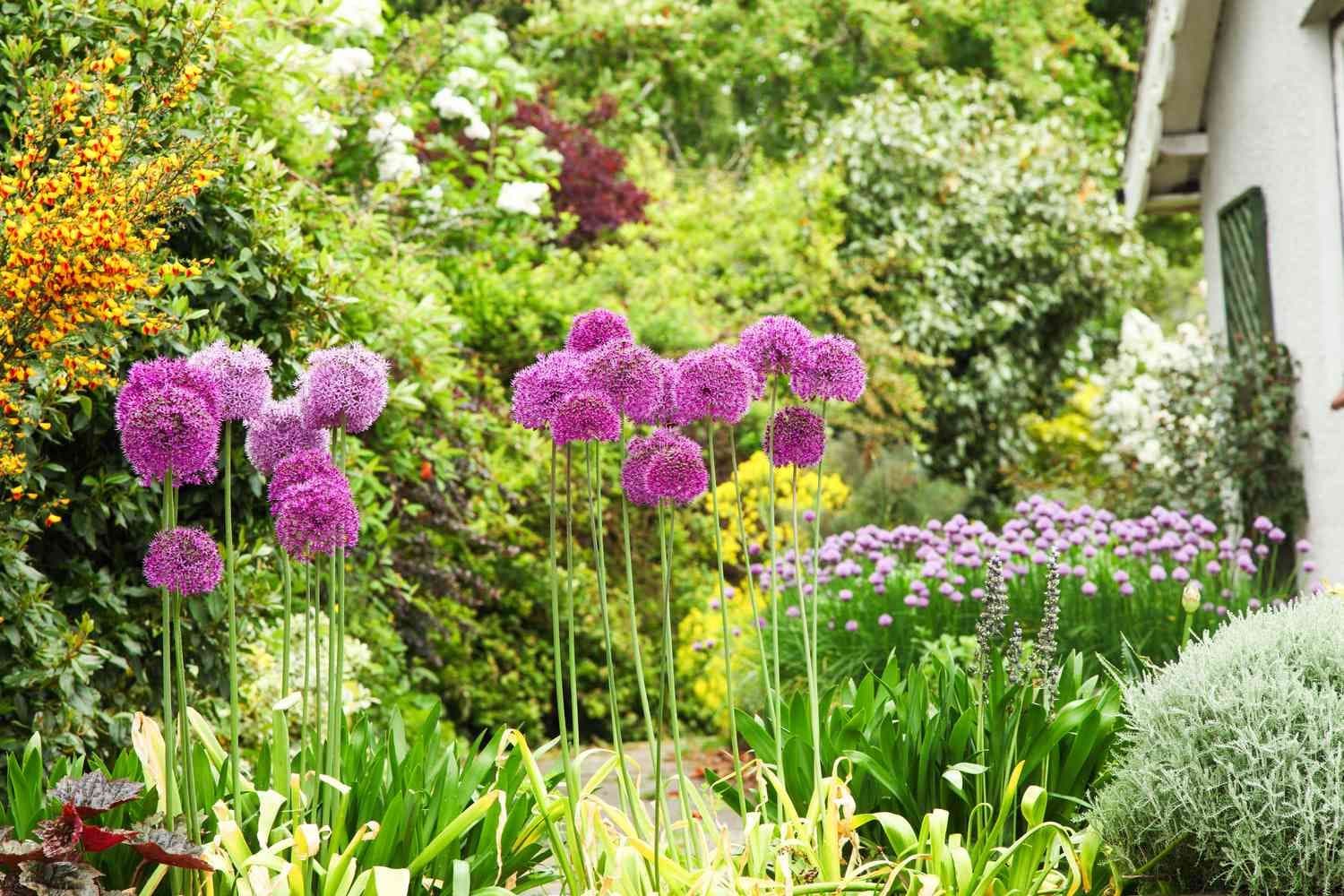
Mosquitoes on the patio? Gnats in the kitchen? Some plants keep them away with the scent of their own leaves. Here are 20 that deal with mosquitoes, flies, aphids, and more, plus where to put them so they help.

Plant Recommendations
Plants That Repel Bugs – 20 Effective Options
Best Time to Water Grass in Summer – Lawn Watering Tips

5 min read · 21 Jul 2026

Best Time to Water Grass in Summer – Lawn Watering Tips

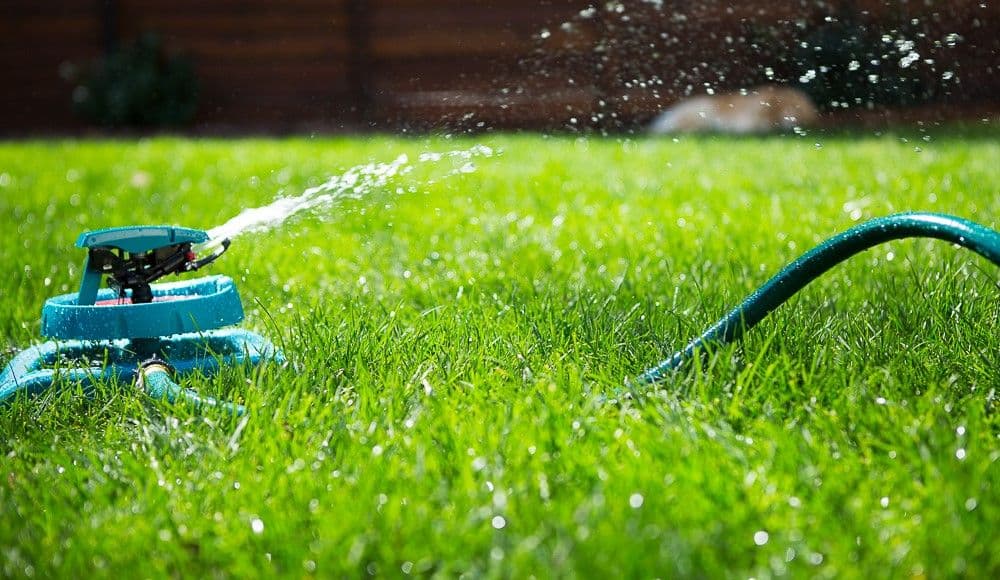
Summer watering is easy to get wrong. This guide explains when to turn on your sprinkler, how much liquid your grass needs each week, and how to tell if you're overwatering or underwatering.

Plant Care
Best Time to Water Grass in Summer – Lawn Watering Tips
How Long Can Flowers Go Without Water? Everything You Need to Know

6 min read · 10 Jul 2026

How Long Can Flowers Go Without Water? Everything You Need to Know

Flowers can survive without water anywhere from 1-2 hours to several months, depending on the plant type, species, and growing conditions. Some strong-looking flowers are drought-sensitive, while delicate-looking plants may tolerate long dry periods surprisingly well.

Plant Care
How Long Can Flowers Go Without Water? Everything You Need to Know