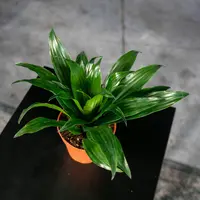


Dracaena (Dracaena fragrans 'Janet Craig') Light Needs

Dracaena grows best in bright, indirect light, with limited gentle morning sun and protection from harsh afternoon rays.

Light Preference

Bright Indirect Light

Dracaena fragrans 'Janet Craig' Light Requirements

In tropical African forests, this species grows beneath taller vegetation where light is broken by canopy cover. It may receive brighter seasonal patches or brief sun at forest edges, but not long exposure to open midday sun. This background explains why cultivated plants handle shade yet look fuller with steady brightness. Preferred indoor light is bright, indirect or filtered light.

  • Ideal exposure:

    Dracaena fragrans 'Janet Craig' needs about 6–8 hours of bright, indirect or filtered light daily, including up to 1–2 hours of gentle direct morning sun.

  • Direct sun limit:

    Brief morning sun is tolerated, but full sun and hot afternoon rays can scorch the leaves.

  • Lower light tolerance:

    Shade is tolerated, especially indoors, but growth becomes slower and the plant may look less full.

  • Best sun timing:

    Morning sun is safer than western or southern afternoon sun because heat builds quickly near glass.

Indoor placement should balance steady brightness with protection from hot direct sun.

NConditional
North-facing window:

Suitable only if the window is large, unobstructed, and the plant sits close to the glass.

EBest
East-facing window:

Best when placed within 2–5 ft of an east-facing window that receives gentle morning sun.

SSuitable
South-facing window:

Suitable when set 4–8 ft back or behind a sheer curtain to prevent leaf scorch.

WConditional
West-facing window:

Conditional because hot afternoon sun can burn leaves; use distance, a sheer curtain, or both.

Move the pot if sun patches sit on the same leaves for more than a short morning period.

Strong sun usually shows on the exposed leaves first.

Bleached patches:

Pale tan or whitish areas on the sun-facing side suggest leaf tissue has been scorched.

Dry scorch marks:

Crisp brown sections may appear where direct sun repeatedly hits the same leaf.

Faded green color:

Leaves can look washed out rather than deep green after sustained bright exposure.

Heat-leaning leaves:

Leaves may angle away from a hot window when afternoon sun is too intense.

Move the plant out of direct afternoon sun and keep it in bright filtered light. Damaged areas will not turn green again, but new growth should form under safer exposure.

Low light often changes the shape of new growth before older leaves show much response.

  • Leaning growth:

    Stems and leaf clusters may angle toward the nearest bright source.

  • Longer spacing:

    New leaves can sit farther apart on the cane when light is weak.

  • Smaller new leaves:

    Fresh growth may emerge narrower or shorter than leaves made in brighter conditions.

  • Slow active growth:

    During spring and summer, the plant may produce very little new growth in a dim room.

  • Uneven silhouette:

    One-sided growth often develops when only one side receives usable light.

Shift it gradually to brighter indirect light, closer to a suitable window or into a brighter room. Avoid sudden direct sun during the move.

When ideal brightness is not available, choose the brightest location that keeps leaves out of hot direct sun. A few hours of gentle morning sun is a useful compromise.

Rotate the pot a quarter turn every 2–4 weeks so the crown grows evenly toward the light source.

A dim corner several feet from natural light is a poor long-term setup because new growth will usually weaken.

Get Personalized Care Plan

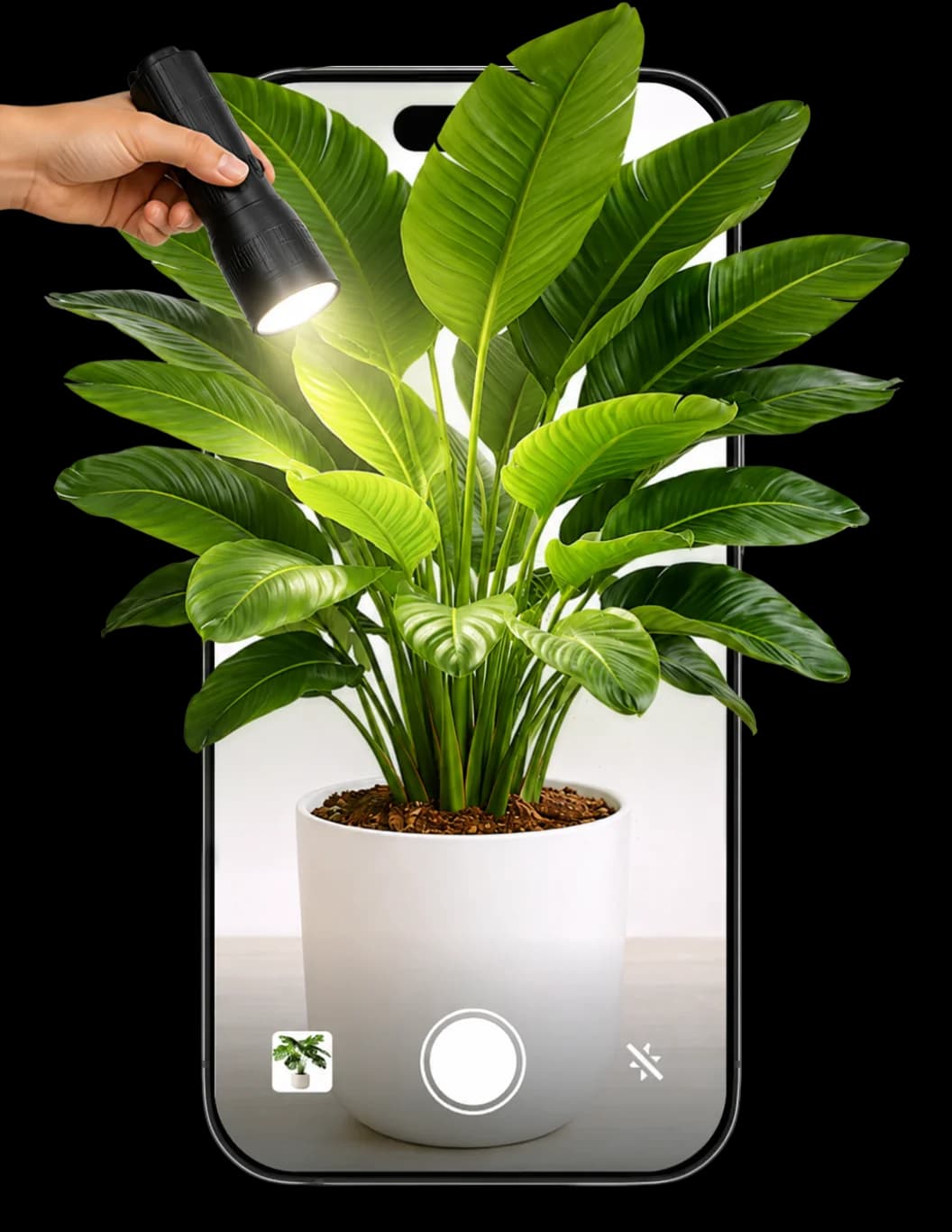
Scan your plant to receive care tips personalized for your specific plant

FAQ

The best light for Dracaena is bright, indirect or filtered light for much of the day. Gentle morning sun is usually fine, but harsh direct afternoon sun should be avoided.

Everything About Dracaena

More Plant Light Guides

Get the Botan App

Discover how to care for your plants with Botan.

Botan app identifying a plant with a phone camera
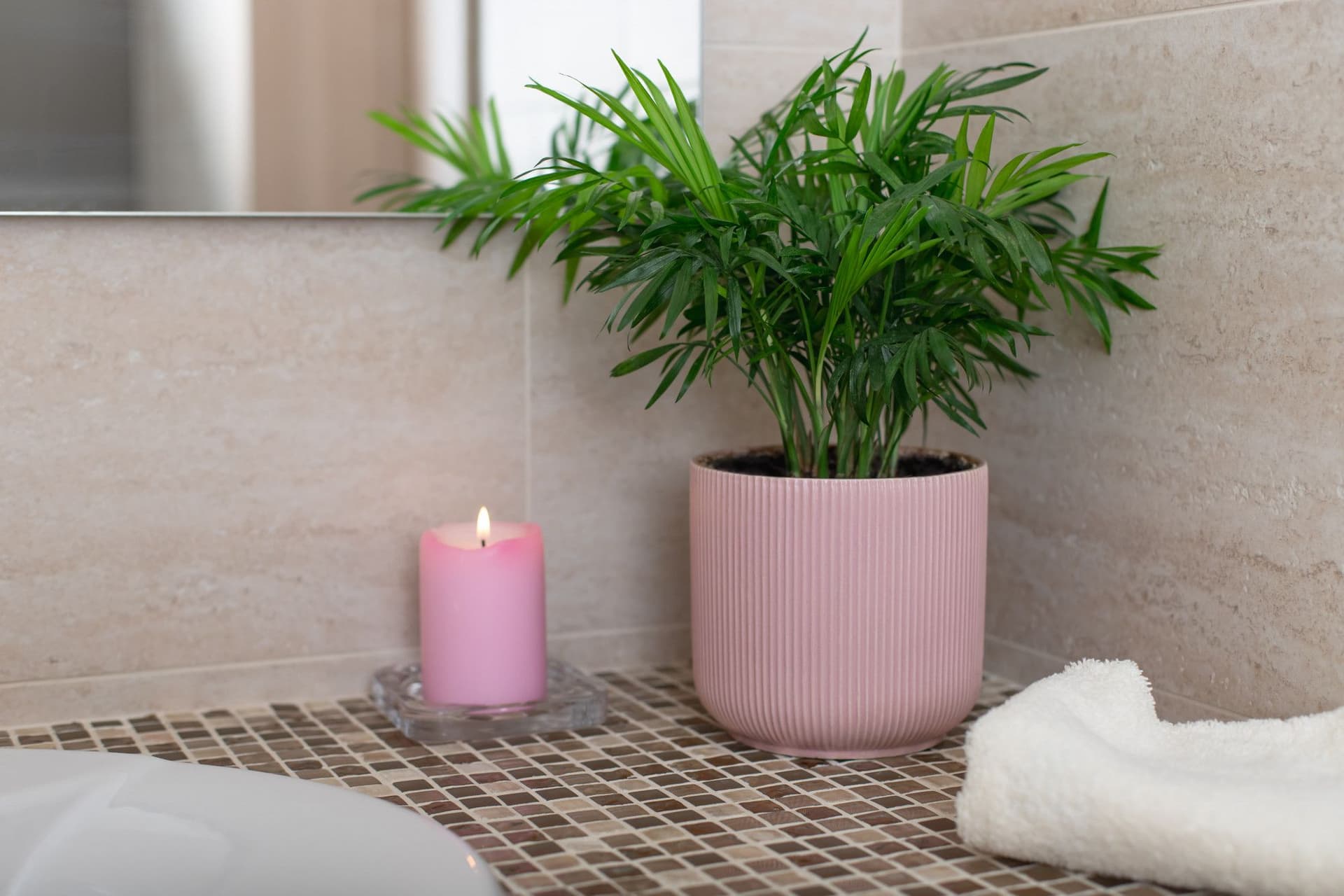
12 Best Plants for Bathroom That Thrive in Humid Conditions

9 min read · 29 Sept 2026

12 Best Plants for Bathroom That Thrive in Humid Conditions

Discover the 12 best plants for bathroom spaces. Each pick comes with its own advantages, plus light, humidity, watering, and placement tips. Take a look and match the plant to your specific bathroom.

Plant Recommendations
12 Best Plants for Bathroom That Thrive in Humid Conditions
8 Glow-in-the-Dark Plants and Fungi That Really Exist

8 min read · 6 Nov 2026

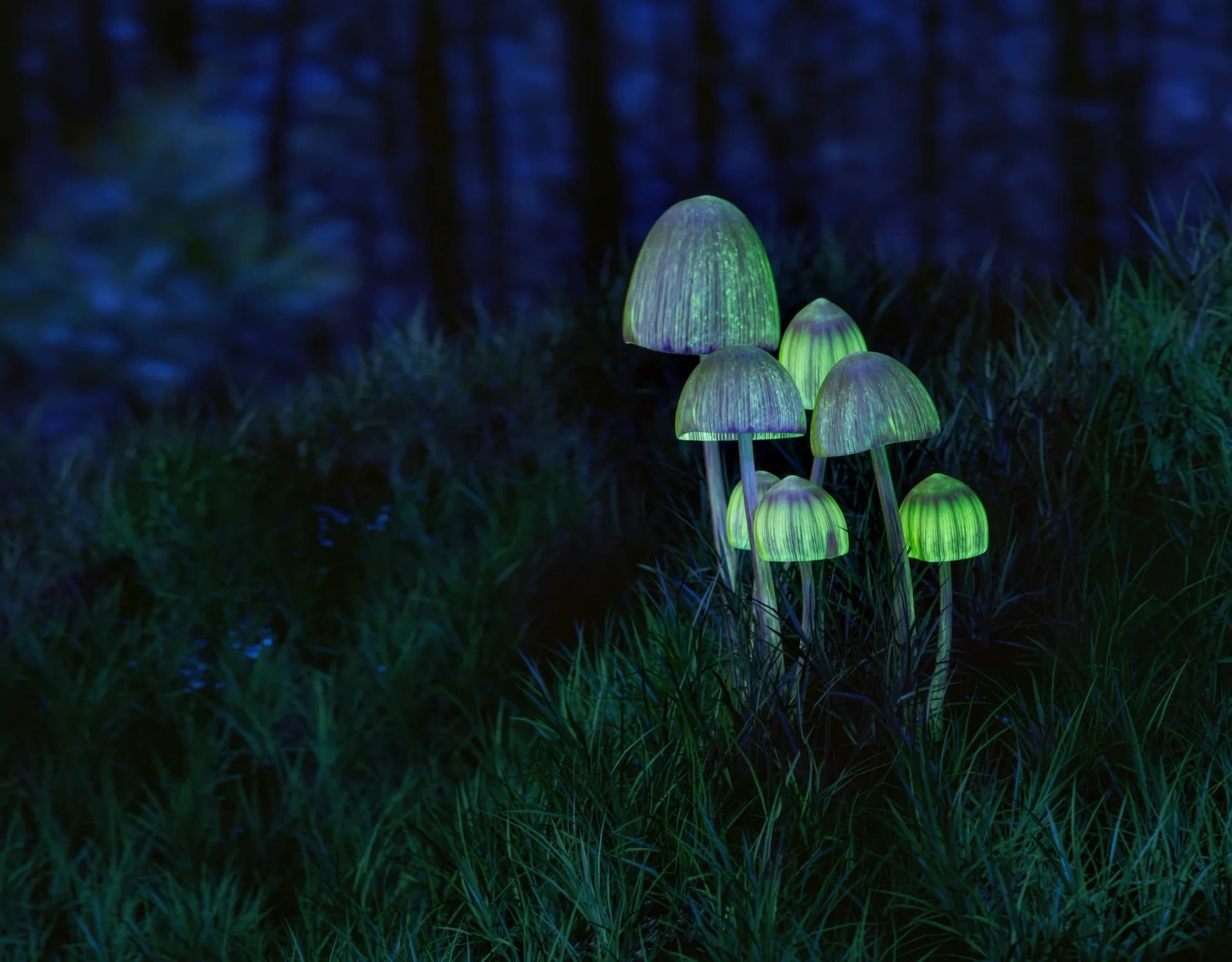
8 Glow-in-the-Dark Plants and Fungi That Really Exist

Plants that glow in the dusk really exist. Some of them produce their own light, while others need UV exposure or special treatments. Explore eight fascinating examples, including glowing petunias, bioluminescent mushrooms, fluorescent flowers, and experimental succulents.

Plant Recommendations
8 Glow-in-the-Dark Plants and Fungi That Really Exist
When to Harvest Tomatillos: How to Tell When They're Ripe

4 min read · 20 Oct 2026

When to Harvest Tomatillos: How to Tell When They're Ripe

Tomatillos grow inside papery husks, making it hard to judge ripeness at a glance. This guide explains how to know when tomatillos are ripe and offers practical advice on harvesting and storage.

Plant Recommendations
When to Harvest Tomatillos: How to Tell When They're Ripe