
Bunny Ear Cactus (Opuntia microdasys) Watering Guide

This page explains when, how often, and how much to water Bunny Ear Cactus in straightforward, practical terms.

Water Requirements

Low Water

Opuntia microdasys Watering

This desert cactus evolved in arid, sporadically rainy habitats, so it is adapted to extended dry periods between drinks. Opuntia microdasys prefers soil that dries significantly between waterings rather than staying evenly moist.

For watering Bunny Ear Cactus, think in terms of deep but infrequent hydration that mimics brief natural rain. Indoors and in containers, drying cycles are quicker than in open ground, so monitoring soil dryness matters more than the calendar when learning how to water Bunny Ear Cactus.

Let the soil dry completely before watering again; check that at least the top 1–2 inches (3–5 cm) feel dry. Opuntia microdasys in bright, warm conditions typically needs water about every 2–4 weeks in spring and summer, less often in fall and winter. Smaller pots and outdoor heat shorten this interval.

Water Bunny Ear Cactus only when the potting mix is completely dry, then rehydrate the root zone slowly and evenly.

  • Pour room-temperature water onto the soil surface around the pads, keeping the pads themselves as dry as possible.
  • Add water in small passes until moisture reaches the full root depth and a little begins to exit the drainage holes.
  • Let the pot drain freely for several minutes, then empty saucers or cachepots so no water sits around the base.
  • Bottom-water only if soil is extremely dry and compacted, then finish by lightly top-watering to ensure even saturation.

Incorrect moisture around Opuntia microdasys often leads to avoidable stress and slow decline.

Shriveled Pads:

Flattened, wrinkled segments indicate prolonged drought or extremely fast-draining soil needing slightly more frequent watering.

Soft Mushy Pads:

Sagging, waterlogged segments usually signal chronic overwatering and suffocating roots in poorly aerated soil.

Blackened Pad Bases:

Dark, sunken areas near the soil line often point to rot from persistent excess moisture.

Yellowing Lower Pads:

Discolored lower segments can arise when wet, compacted mix keeps roots saturated for extended periods.

Stalled New Growth:

Lack of fresh pads during warm seasons may reflect underwatering or repeated soaking of the root zone.

Let the mix dry deeply between waterings, favoring brief drought over sustained moisture around the roots.

Unsuitable watering habits can stress Opuntia microdasys, weakening its pads and reducing its ability to store and use moisture efficiently.

  • Following a fixed schedule: Watering on a calendar instead of checking that the mix is completely dry leads to chronic excess moisture; always test dryness first.
  • Using dense, peat-heavy soil: Rich, moisture-holding potting soil keeps roots wet for too long; switch to a gritty cactus mix that drains and dries fast.
  • Letting runoff sit in saucers: Leaving drained water under the pot re-soaks the root zone; empty saucers promptly so the mix can dry thoroughly.

For this desert cactus, water only after deep dryness, use sharply draining soil, and let excess moisture escape quickly.

  • Spring: New pads emerge; water slightly more often, letting soil dry fully between drinks, and avoid soaking cool, poorly lit setups.
  • Summer: In strong heat and sun, give deeper but infrequent water, then let the mix go dry and reduce if heavy rain adds moisture.
  • Fall: Gradually lengthen dry periods as growth slows, especially for outdoor plants experiencing cooler nights and shorter days.
  • Winter: Plant rests; water very lightly and rarely, only when pads start to soften and soil has been dry for a long time.

Your Bunny Ear Cactus Care Companion

Use Botan for a clear watering guide and simple care steps for Opuntia microdasys, plus gentle photo-based checks that can highlight early signs of stress or possible problems.

Botan plant care app — identify plants on mobile

Interesting Watering Facts

Pads shrink between rains

In Opuntia microdasys, the oval pads visibly slim and wrinkle during long dry spells, then plump back up quickly after rainfall as stored water is replenished. This reversible shrinkage helps protect internal tissues from cracking under extreme desert moisture swings.


Shallow, wide root net

Opuntia microdasys develops a very shallow but wide-spreading root system that rapidly absorbs brief desert showers. This architecture lets the plant capitalize on light, infrequent rains rather than deep soil moisture.

Seasonal growth pulses

In its native Chihuahuan Desert range, Opuntia microdasys shows most new pad and spine growth after late-winter to spring rains. During the hotter, drier months it slows growth and relies on internal water reserves instead of continued high water uptake.

FAQ

Check the soil, not the pads. Insert a finger or moisture meter 1–2 inches (3–5 cm) deep; water only when it is completely dry and the pot feels noticeably lighter when lifted.

More Plant Watering Guides

Is Your Watering Routine Hurting Your Bunny Ear Cactus?

Botan quickly reviews your watering pattern to keep moisture levels on track.

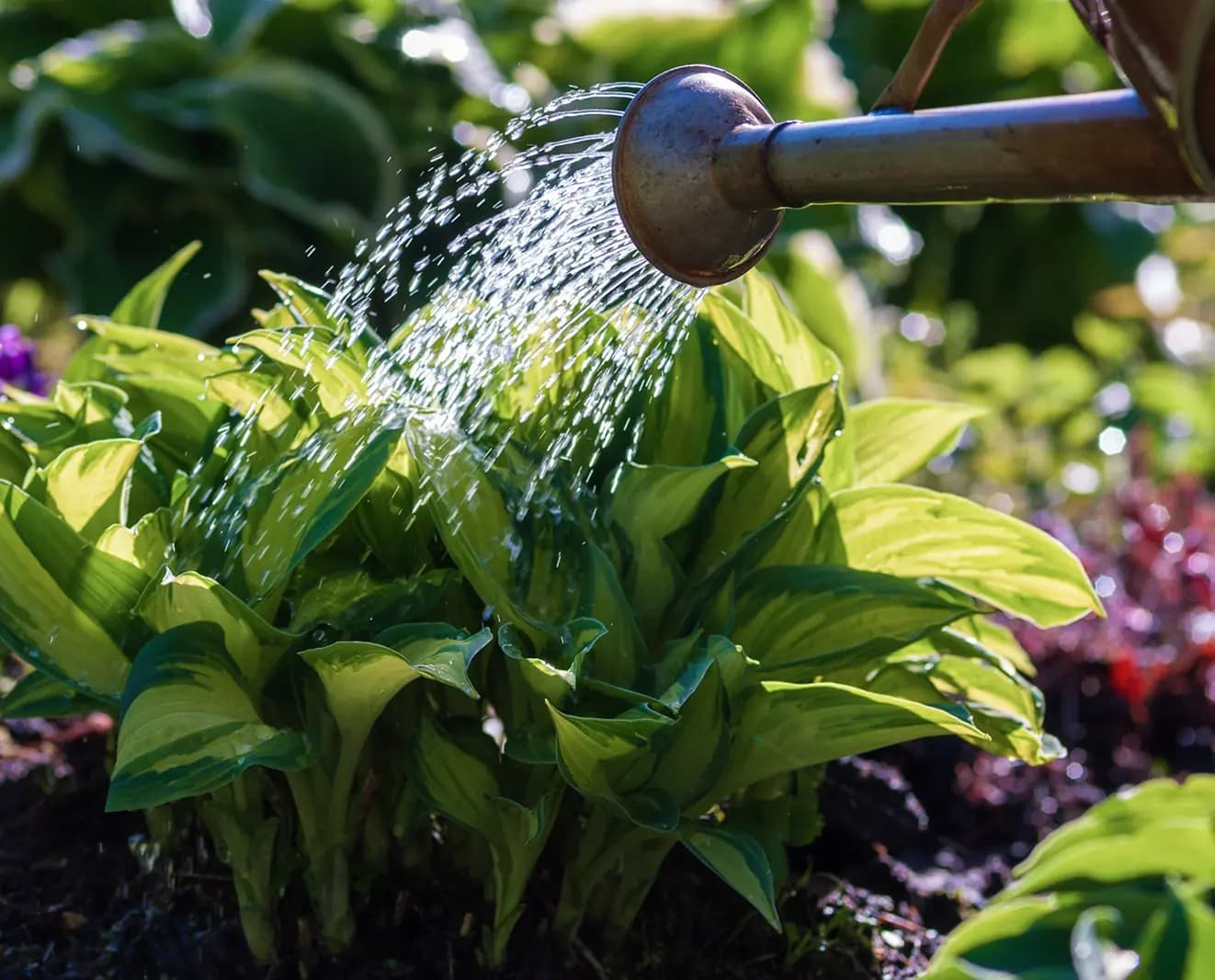
Watering a plant with a copper watering can
12 Most Wanted Rare Houseplants to Grow at Home

6 min read · 21 Sept 2026

12 Most Wanted Rare Houseplants to Grow at Home

Rare houseplants can turn an ordinary corner in your apartment into a living botanical collection. This guide covers 12 most admired picks, what makes them special, and how to grow them successfully at home.

Plant Recommendations
12 Most Wanted Rare Houseplants to Grow at Home
How Fast Does Bamboo Grow Per Day, Month, and Year

10 min read · 7 Jul 2026

How Fast Does Bamboo Grow Per Day, Month, and Year

Bamboo grows extremely fast: some species can reach 5-6 m in just 3-4 months under the right conditions. This guide explains how much bamboo can grow per day, week, and year, and what affects its growth rate.

Plant Recommendations
How Fast Does Bamboo Grow Per Day, Month, and Year
Rice Water for Plants – Which Plants Love It and How to Make It

8 min read · 14 Jul 2026

Rice Water for Plants – Which Plants Love It and How to Make It

Rice water can be an ideal DIY solution for orchids, roses, or fruiting plants. It supports growth, leaf count, and height. We’ll share how to make and apply it correctly for your plant.

Plant Care
Rice Water for Plants – Which Plants Love It and How to Make It