

ZZ Plant (Zamioculcas zamiifolia) Light Needs

ZZ Plant grows best in bright indirect light, with brief gentle morning sun tolerated when introduced gradually.

Light Preference

Partial Shade

Zamioculcas zamiifolia Light Requirements

Zamioculcas zamiifolia is native to seasonally dry eastern Africa, where it grows in open woodland, rocky ground, and shaded thickets. Light is often bright but softened by nearby vegetation, with stronger seasonal sun reaching the plant at times.

Thick leaf stalks and underground rhizomes help it handle dry periods, not exposed full sun. In cultivation, this points to strong ambient light without harsh midday rays. Preferred light is bright indirect light.

  • Ideal exposure:

    ZZ Plant needs about 6–8 hours of bright indirect or filtered light daily, including up to 1–2 hours of gentle morning sun.

  • Direct sun:

    Harsh midday or afternoon sun can scorch leaflets, especially after a sudden move from shade.

  • Lower light:

    It tolerates shade and dim rooms, but growth may slow and new stems may be smaller.

  • Best timing:

    Morning sun is safer than hot western exposure, particularly close to glass.

Indoors, place it where daylight is bright but the leaves are protected from long, hot direct sun.

NSuitable
North-facing window:

Use an unobstructed north-facing window if the room is bright; growth may be slower in winter.

EBest
East-facing window:

Set it within a few feet of an east-facing window for gentle morning sun and bright indirect light.

SConditional
South-facing window:

Keep it 3–6 ft from a south-facing window, or use a sheer curtain to soften midday rays.

WConditional
West-facing window:

Place it several feet back from a west-facing window or filter the afternoon sun to prevent scorch.

If leaves feel hot to the touch near the glass, move the pot back or filter the light.

Excess light usually shows on the most exposed leaflets first.

Bleached patches:

Pale tan or whitish areas may appear on leaflets facing the window after sudden direct sun.

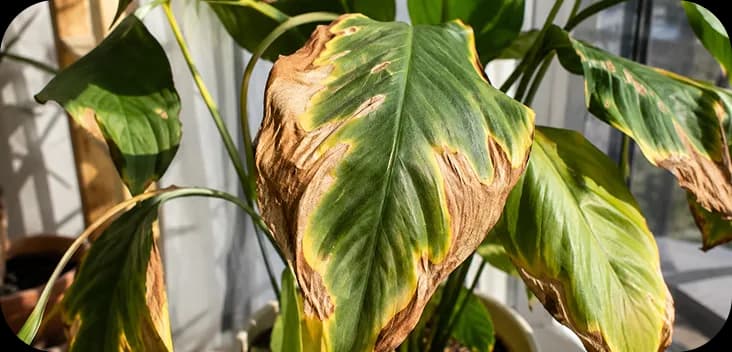
Crisp scorch:

Dry brown spots can form where hot glass-side sun hits the same tissue for several hours.

Faded gloss:

Leaves may look duller or washed out when bright afternoon exposure is too intense.

Leaning away:

Stems may angle away from a hot window if the light and heat are concentrated.

Move the plant 2–4 ft back from strong glass or add a sheer curtain. Keep it in bright indirect light while new growth adjusts.

This species can survive low light, but it grows better when the room is bright.

  • Longer stems:

    New shoots may stretch taller with wider spacing between leaflets as they reach for usable light.

  • Leaning growth:

    Stems often angle toward the nearest window instead of staying evenly upright.

  • Small new growth:

    Fresh stems may emerge thinner or with smaller leaflets during the active growing season.

  • Very slow growth:

    Little or no new growth in spring or summer can point to light that is too weak.

Move it gradually to a brighter area with indirect light over a few weeks. Avoid shifting from a dim corner straight into direct sun.

If ideal brightness is not available, choose the brightest spot that stays out of harsh afternoon sun; steady bright shade is better than direct heat at the glass.

Rotate the pot a quarter turn every few weeks so stems do not lean strongly toward the light.

A dark corner several feet from any window is a poor long-term setup because new growth may become weak.

Get Personalized Care Plan

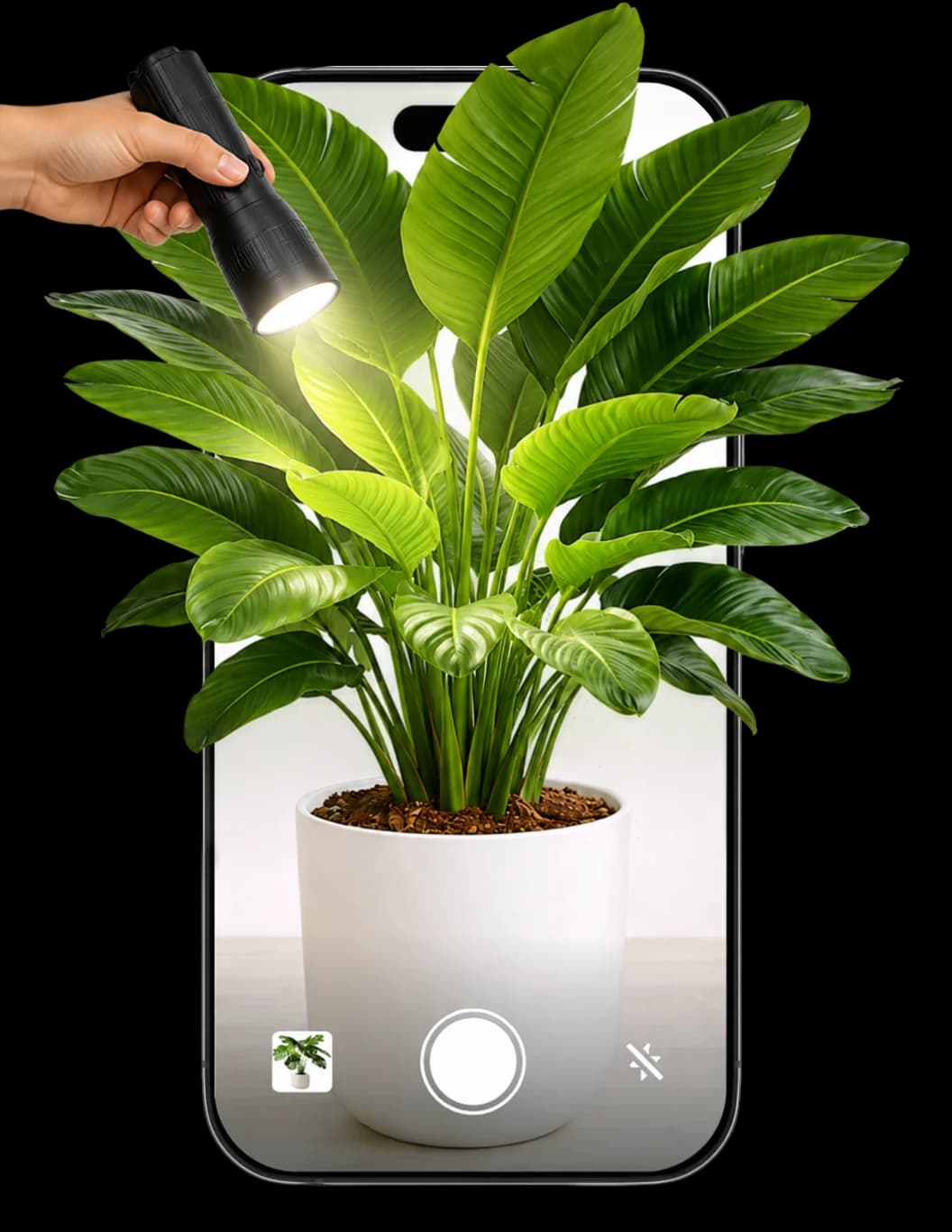
Scan your plant to receive care tips personalized for your specific plant

FAQ

ZZ Plant light requirements are bright indirect light for about 6–8 hours daily. The species also tolerates lower light, but growth is usually slower and less full.

More Plant Light Guides

Get the Botan App

Discover how to care for your plants with Botan.

Botan app identifying a plant with a phone camera
What Plants Don't Like Epsom Salt?

11 min read · 29 Jul 2026

What Plants Don't Like Epsom Salt?

Learn which plants can be seriously damaged by Epsom salt and which will thrive on it. We’ll explain when and how to use it properly, provide tips for indoor & outdoor plants — read on and enjoy a healthy garden.

Plant Care
What Plants Don't Like Epsom Salt?
How to Increase Humidity for Plants – 8 Simple Ways That Work

8 min read · 14 Aug 2026

How to Increase Humidity for Plants – 8 Simple Ways That Work

Dry indoor air stresses a lot of houseplants. You usually notice it first in the browning leaf tips. This guide describes 8 simple ways to raise the moisture around your plants, from humidifiers to pebble trays.

Plant Care
How to Increase Humidity for Plants – 8 Simple Ways That Work
Rice Water for Plants – Which Plants Love It and How to Make It

8 min read · 14 Jul 2026

Rice Water for Plants – Which Plants Love It and How to Make It

Rice water can be an ideal DIY solution for orchids, roses, or fruiting plants. It supports growth, leaf count, and height. We’ll share how to make and apply it correctly for your plant.

Plant Care
Rice Water for Plants – Which Plants Love It and How to Make It