


Dwarf umbrella tree (Heptapleurum arboricola) Light Needs

Dwarf umbrella tree grows best in bright, indirect light with a little gentle morning sun when acclimated.

Light Preference

Bright Indirect Light

Heptapleurum arboricola Light Requirements

In its native subtropical forests of Taiwan and Hainan, this species grows as a shrub or small tree where overhead vegetation breaks the sun. It may receive brighter seasonal light at forest edges, but its leaves are not adapted to long, harsh midday sun.

That pattern explains its indoor preference: bright rooms, filtered light, and limited gentle sun. Preferred light is bright indirect light.

  • Ideal exposure:

    Dwarf umbrella tree needs about 6–8 hours of bright, indirect or filtered light daily, including up to 2–3 hours of gentle direct morning sun.

  • Direct sun:

    Morning sun is usually tolerated better than midday or afternoon sun, especially through glass.

  • Lower light:

    Shade is tolerated, but growth often becomes slower and more open in dim rooms.

  • Risky exposure:

    Full sun for much of the day can bleach or scorch the leaflets.

A bright window with softened sun is usually the easiest indoor position.

NConditional
North-facing window:

Use only if the window is large, unobstructed, and the plant sits close to the glass.

EBest
East-facing window:

Place within 1–3 ft of the window for gentle morning sun and bright indirect light.

SSuitable
South-facing window:

Set 3–6 ft back or use a sheer curtain to avoid strong midday rays.

WConditional
West-facing window:

Keep several feet back or behind a sheer curtain because late afternoon sun can scorch leaves.

Adjust placement if leaves scorch, stems lean strongly, or new growth becomes sparse.

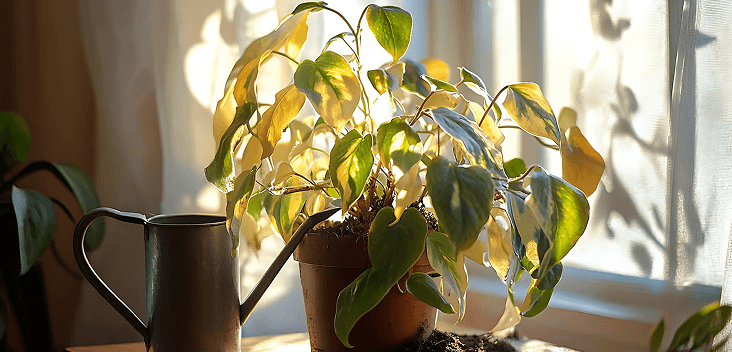
Excess light usually shows on the most exposed leaves first.

Bleached patches:

Leaflets may turn pale or washed out where harsh sun hits directly.

Tan sun spots:

Dry tan marks can form on upper leaves after sudden direct sun exposure.

Sun-side damage:

Damage is often strongest on the window-facing or outdoor-facing side of the canopy.

Midday wilting:

Leaves may droop or curl during hot sun, then look partly normal later.

Move the plant back from the glass, add a sheer curtain, or shift it to morning sun only. Do not remove damaged leaves until new growth is stable.

Low light usually changes the plant’s shape before it causes obvious leaf damage.

  • Stretched stems:

    New stems may grow long and thin, with wider gaps between leaves.

  • Leaning growth:

    The canopy may bend toward the brightest side instead of staying evenly shaped.

  • Smaller leaflets:

    New leaves may be smaller than older leaves produced in brighter conditions.

  • Fading variegation:

    On variegated forms, pale markings may become less distinct as green growth dominates.

  • Seasonal slowdown:

    Growth may be very limited during spring and summer, even in warm indoor temperatures.

Move it gradually toward brighter indirect light and rotate after repositioning. If the spot is dim most of the day, choose a brighter location.

If ideal brightness is not available, choose the brightest safe area and avoid harsh afternoon sun. A slightly lower-light position is better than direct sun that leaves pale scorch marks.

Rotate the pot every 1–2 weeks so the canopy receives light evenly and keeps a balanced shape.

A dim corner several feet from any natural light is unsuitable because growth becomes stretched and sparse.

Get Personalized Care Plan

Scan your plant to receive care tips personalized for your specific plant

FAQ

The best light for Dwarf umbrella tree is bright, indirect light for most of the day. A little gentle morning sun is useful, but long direct exposure is not ideal.

Everything About Dwarf umbrella tree

More Plant Light Guides

Get the Botan App

Discover how to care for your plants with Botan.

Botan app identifying a plant with a phone camera
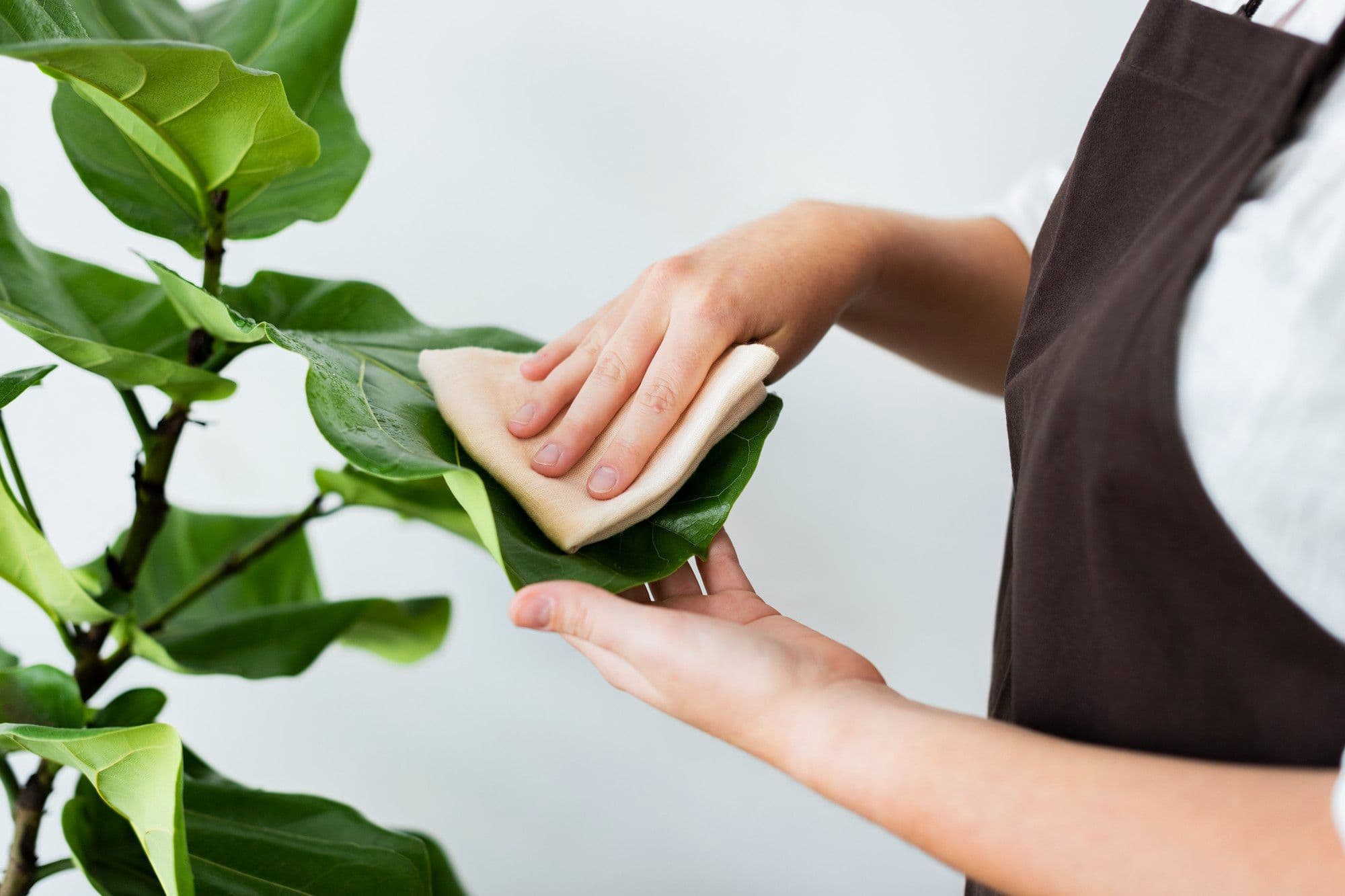
How to Clean Plant Leaves: A Simple Care Guide

6 min read · 4 Aug 2026

How to Clean Plant Leaves: A Simple Care Guide

Dusty leaves look dull and don't absorb light well. Below, you'll find simple ways to clean them, which tools are truly effective, how often you should do it, and what causes damage.

Beginner Guides

How to Clean Plant Leaves: A Simple Care Guide
12 Best Cold-Hardy Vegetables for Cold Weather

7 min read · 13 Oct 2026

12 Best Cold-Hardy Vegetables for Cold Weather

Cold-hardy vegetables can keep a garden productive through chilly fall, winter, and early spring weather. This guide covers 12 reliable crops, their frost tolerance, and practical growing tips for better cold-season harvests.

Plant Recommendations
12 Best Cold-Hardy Vegetables for Cold Weather
How Fast Does Bamboo Grow Per Day, Month, and Year

10 min read · 7 Jul 2026

How Fast Does Bamboo Grow Per Day, Month, and Year

Bamboo grows extremely fast: some species can reach 5-6 m in just 3-4 months under the right conditions. This guide explains how much bamboo can grow per day, week, and year, and what affects its growth rate.

Plant Recommendations
How Fast Does Bamboo Grow Per Day, Month, and Year