




Best Soil for Dwarf umbrella tree (Heptapleurum arboricola)

For healthy roots, Heptapleurum arboricola needs a loose, organic-rich soil that drains well while holding some steady moisture.

Soil Texture

Loamy, Sandy, Organic-rich

Soil pH

Acidic (5.5–6.5), Slightly acidic (6.5–7.0)

Soil Drainage

Moist but well-drained

Heptapleurum arboricola Soil Guide

Native to Taiwan and Hainan, Heptapleurum arboricola grows in warm, humid conditions where roots get steady moisture but also good airflow. That background explains why it prefers soil that stays lightly moist without becoming dense or soggy.

The best soil for Dwarf umbrella tree is loose, loamy to sandy, and rich in organic matter. Its fine, fibrous roots spread best in a mix that holds some moisture yet drains freely, so oxygen can reach the root zone and excess water can move through without lingering.

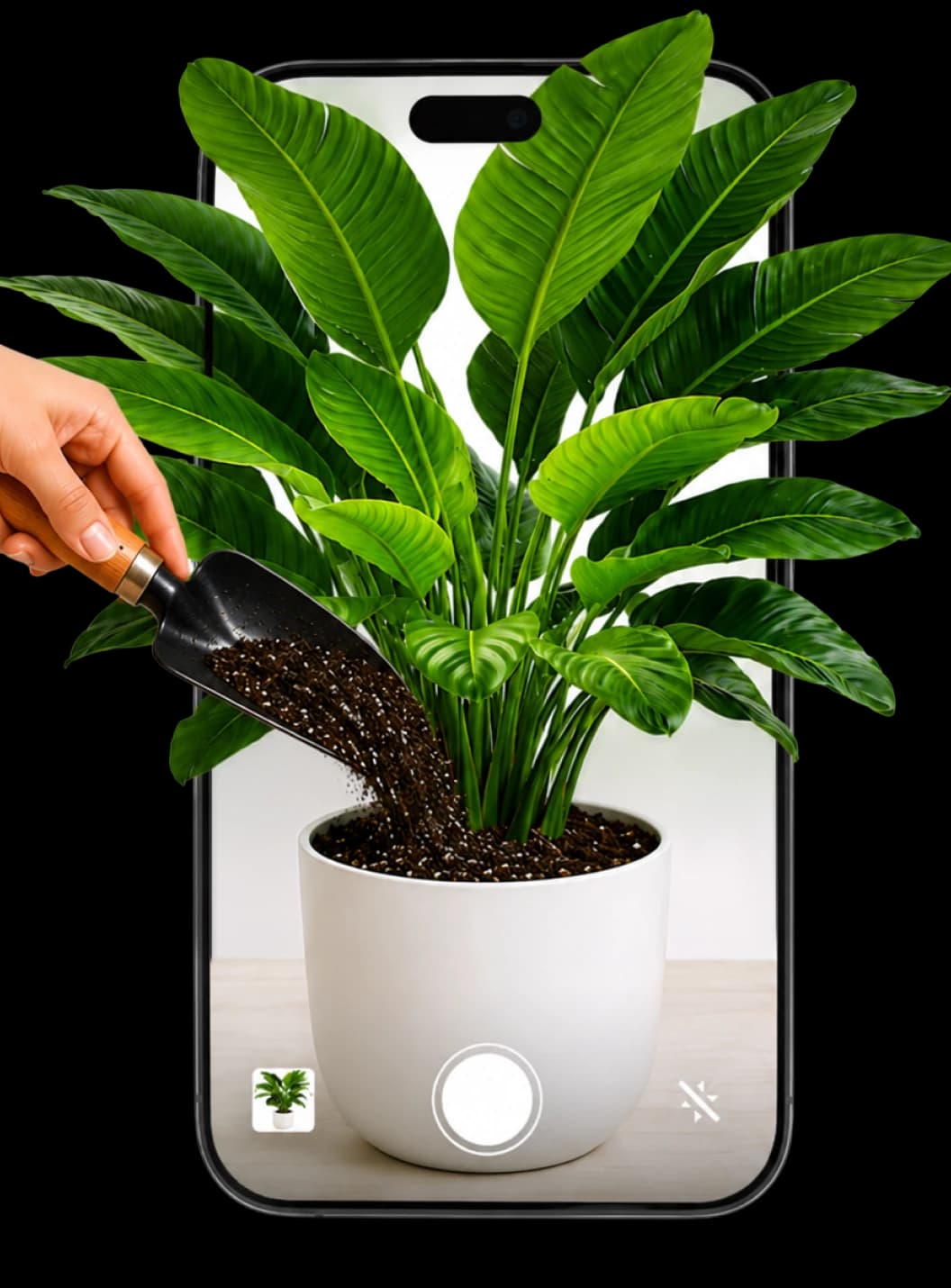
A homemade mix gives Heptapleurum arboricola the balance of airflow and moisture control it responds to best in containers.

100% total mix = 20 scoops
15%
coco coir or compost3 scoops
20%
perlite or pumice4 scoops
25%
pine bark fines or orchid bark5 scoops
40%
high-quality potting soil8 scoops

The finished blend should feel light, crumbly, and slightly springy, with moisture spreading through evenly but excess water moving out quickly.

A good target is 5.5–7.0 pH, with slightly acidic soil usually giving the most reliable nutrient availability. This range helps roots access key elements without making the growing medium overly reactive.

Dwarf umbrella tree generally handles mild variation, but drifting far above neutral can make some nutrients harder to take up over time.

This species can be sensitive to stale, airless root conditions. Soil issues are often easier to correct when caught early.

Compacted mix:

Dense soil that stays tight after watering can limit root airflow, so loosen the surface gently and check whether the mix has broken down.

Waterlogged soil:

A sour smell or soil that remains wet for long periods may point to poor drainage, so pause extra watering and assess the container’s drainage path.

Hydrophobic soil:

If the surface shrinks from the pot edge or water runs straight through, the mix may have become too dry to rewet evenly, so moisten it gradually.

Salt buildup:

A pale crust on the soil surface can signal mineral accumulation, so flush the pot thoroughly once and watch whether it returns.

Scan. Match. Grow.

Botan helps match the plant to practical soil guidance, so it is easier to choose a mix that suits its roots and container setup.

FAQ

Yes. Drainage holes lower the risk of trapped excess moisture around the roots and make the potting mix more predictable to manage over time indoors.

More Plant Soil Guides

Soil Problem? Scan It.

Use Botan’s photo-based assessment to check whether a visible issue may be linked to soil conditions and decide what to review next.

Botan app helping with soil and plant care
How Fast Does Bamboo Grow Per Day, Month, and Year

10 min read · 7 Jul 2026

How Fast Does Bamboo Grow Per Day, Month, and Year

Bamboo grows extremely fast: some species can reach 5-6 m in just 3-4 months under the right conditions. This guide explains how much bamboo can grow per day, week, and year, and what affects its growth rate.

Plant Recommendations
How Fast Does Bamboo Grow Per Day, Month, and Year
Best Water for Plants – How to Choose the Right Type

7 min read · 13 Aug 2026

Best Water for Plants – How to Choose the Right Type

Rainwater, filtered, distilled, and tap water affect plants differently. Learn which types support healthy growth and which cause slow damage. Match each to your plants and discover how to easily improve tap water quality.

Plant Care
Best Water for Plants – How to Choose the Right Type
How to Winterize Your Garden in 6 Steps

5 min read · 28 Sept 2026

How to Winterize Your Garden in 6 Steps

Learn how to prepare your garden for winter with a practical six-step checklist covering cleanup, tender plant care, watering, mulching, winter protection, and winterizing equipment and containers.

Plant Care
How to Winterize Your Garden in 6 Steps