Encourage Compact Growth
Pinch back soft stem tips every 4–6 weeks during active growth to keep the plant bushy, prevent bare lower stems, and stimulate more flowering shoots.

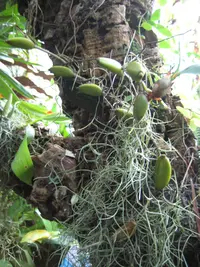
The lipstick plant, Aeschynanthus pulcher, is a tropical evergreen vine from Southeast Asian rainforests. It often grows as an epiphyte, anchored on trees rather than in deep soil.
It forms trailing stems with glossy green leaves and tubular red flowers that emerge from dark buds resembling a tube of lipstick. This makes it popular for hanging baskets and high shelves indoors.
It adapts fairly well to indoor conditions when given warm temperatures, bright filtered light, and evenly moist but well-drained soil. Consistent conditions and moderate humidity are the main factors that influence how easy it is to care for lipstick plant.

Care Difficulty
Moderate Care

Light Preference
Bright Indirect Light

Water Requirements
Moderate Water

Temperature Preference
Tropical / Frost Sensitive

Hardiness Zone
11–12

Soil Texture
Loamy, Peaty, Organic-rich

Soil pH
Acidic (5.5–6.5), Slightly acidic (6.5–7.0)

Soil Drainage
Moist but well-drained

Fertilization
Light (every 4–6 weeks)
Scan your plant to receive care tips personalized for your specific plant
Available on iOS and Android
This plant prefers bright, indirect light that mimics dappled forest conditions.
Watering should keep the root zone lightly moist but never saturated for long periods.
Stable, warm conditions support steady growth and flowering.
This species prefers moderately high humidity and reacts quickly to very dry air.
Aeschynanthus pulcher grows best in a loose, airy, organic-rich mix that drains quickly yet retains light, even moisture.
This species is very suitable for container growing, especially in hanging baskets or elevated pots.
Aeschynanthus pulcher benefits from modest, consistent feeding during active growth for strong foliage and flowering.
Pruning supports compact growth and better flowering on Aeschynanthus pulcher.
This species prefers slightly snug pots but benefits from occasional repotting to maintain root health.
Lipstick plant is most commonly propagated from stem cuttings taken during active growth.
This tropical plant is frost-sensitive and needs mild, stable conditions in winter.

Plant Health Check
Not sure what's wrong with your plant? Check your plant's health inside the app.
The tubular red flowers emerge from darker maroon buds that resemble a tube of lipstick being pushed up, a floral structure that inspired the common name lipstick plant and is characteristic of Aeschynanthus pulcher compared with many other gesneriads.
In its native Southeast Asian range, this species is primarily pollinated by sunbirds, whose long curved beaks match the shape of the tube-shaped flowers and effectively transfer pollen while they drink nectar.
Aeschynanthus pulcher naturally grows as an epiphyte on tree branches in warm, humid rainforest canopies, anchoring to bark with roots rather than rooting in soil, which explains its preference for airy, fast-draining substrates in cultivation.

This species was one of the earlier Aeschynanthus to enter European horticulture in the 19th century, becoming a model plant for studying epiphytic flowering houseplants and helping establish the group commonly marketed today as lipstick plants.
Flowering is reduced by low light, insufficient warmth, or lack of a short rest period. Old, woody stems also flower less. Provide bright conditions, slightly cooler and drier rest in winter, and prune lightly to renew growth for better blooming.
Keep your plants happy and healthy with plant identification, disease detection, and easy care guidance.