




Best Soil for lipstick plant (Aeschynanthus pulcher)

Aeschynanthus pulcher grows best in a loose, organic soil mix that supports steady root health without staying dense or soggy.

Soil Texture

Loamy, Peaty, Organic-rich

Soil pH

Acidic (5.5–6.5), Slightly acidic (6.5–7.0)

Soil Drainage

Moist but well-drained

Aeschynanthus pulcher Soil Guide

Native to tropical parts of Southeast Asia, Aeschynanthus pulcher grows in warm, humid settings where roots get steady moisture but still plenty of air. That background explains why lipstick plant soil should feel light and organic-rich rather than dense or muddy.

Its roots are fairly fine and benefit from a loose, loamy to peaty substrate that holds some moisture while draining well. The best soil for lipstick plant supports even moisture, gentle acidity, and good aeration, which helps the roots stay active without sitting in heavy, compacted soil.

A simple homemade mix can give Aeschynanthus pulcher the balance of moisture retention and airflow it needs in a container.

100% total mix = 20 scoops
10%
compost or worm castings2 scoops
20%
perlite or pumice4 scoops
30%
orchid bark6 scoops
40%
peat moss or coco coir8 scoops

The finished mix should feel light, springy, and crumbly, with enough structure to stay evenly moist while excess water moves through readily.

A slightly acidic to acidic range of about 5.5–6.8 suits lipstick plant well. In that zone, key nutrients stay more available to the roots, which supports steadier growth and healthier foliage.

It can handle minor variation, but soil that drifts too far above neutral may reduce how efficiently the plant takes up certain nutrients over time.

This species can struggle when the root zone stays stressed for long periods. For Aeschynanthus pulcher, early checks are usually more useful than big corrections.

Compacted mix:

Dense soil that stays tight after watering can limit airflow to roots; gently loosen the surface and plan to switch to a more open mix.

Staying wet too long:

If the container remains heavy and damp for many days, the root zone may be holding too much moisture; pause before adding more water and check drainage.

Hydrophobic soil:

Very dry mix that shrinks from the pot edge may repel water at first; re-wet it slowly and evenly so the root ball absorbs moisture again.

Surface buildup:

A crust or pale residue on top can suggest mineral accumulation from water or inputs; scrape off the top layer and replace it with fresh material.

Better Soil Starts Here

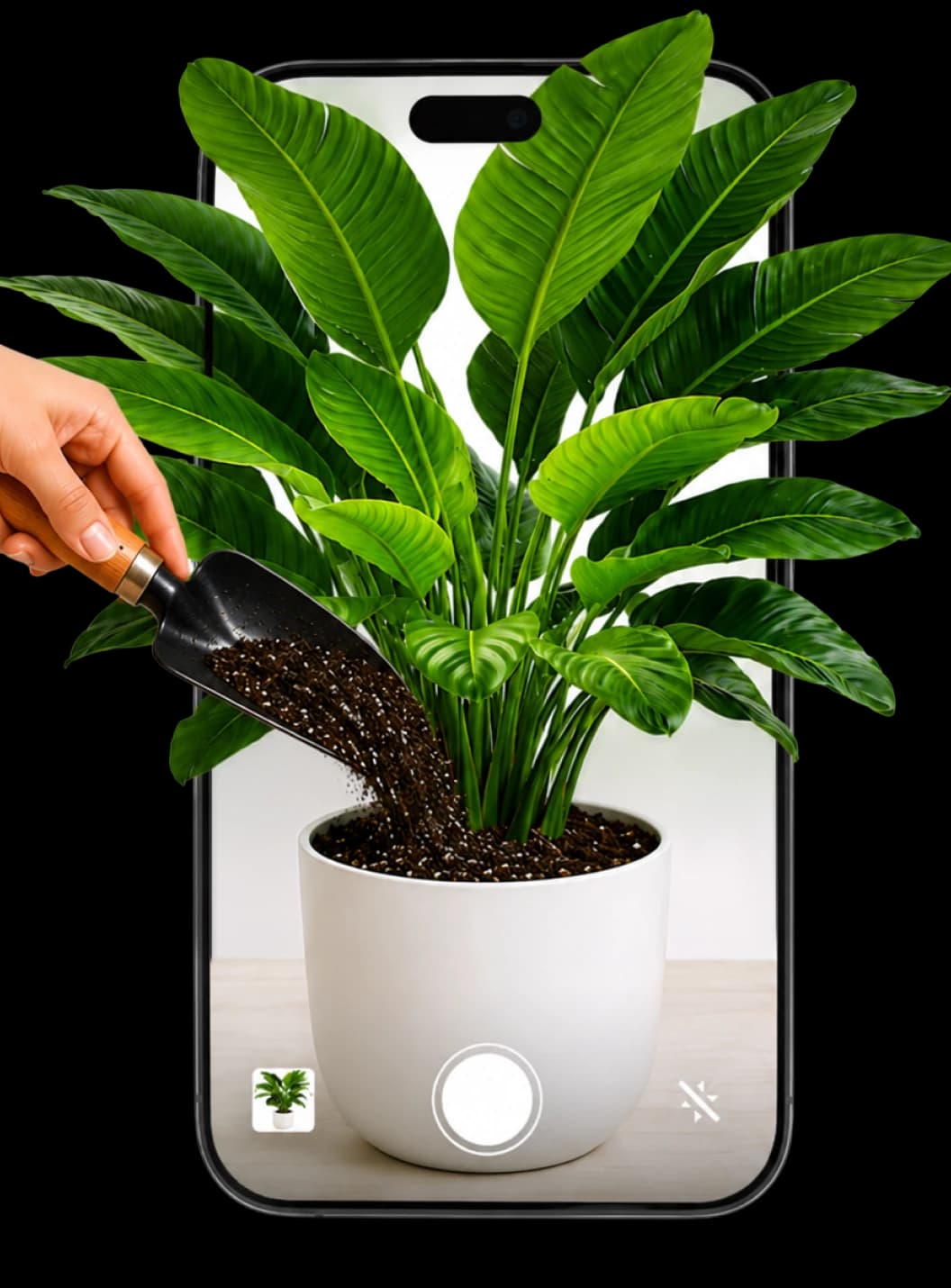
Botan helps match this plant to a more suitable soil setup, so choosing the right texture and drainage is easier from the start.

FAQ

Yes. Drainage holes help excess water leave the container, which keeps the root zone from staying saturated longer than intended and makes moisture levels easier to manage in a loose potting mix.

More Plant Soil Guides

Could It Be the Soil?

Some visible issues can be linked to soil conditions. Botan’s photo-based assessment can help you decide whether soil is one factor worth checking.

Botan app helping with soil and plant care
Best Fertilizer for Vegetable Gardens – What to Use for Each Plant

11 min read · 20 Jul 2026

Best Fertilizer for Vegetable Gardens – What to Use for Each Plant

Here, you’ll find the right fertilizer formula for vegetables in your garden. Learn how to adjust feeding correctly throughout the growing cycle, spot nutrient deficiencies by their symptoms, and keep your plants healthy and prolific.

Plant Recommendations
Best Fertilizer for Vegetable Gardens – What to Use for Each Plant
Top 15 Fast-Growing Trees For Your Garden

13 min read · 28 Jul 2026

Top 15 Fast-Growing Trees For Your Garden

Learn which of the 15 fastest-growing trees will suit your area. We’ll share detailed information on each: growth rate, mature spread, key tree demands, and main vulnerabilities. Read on and make the best choice possible.

Plant Recommendations
Top 15 Fast-Growing Trees For Your Garden
How Fast Does Bamboo Grow Per Day, Month, and Year

10 min read · 7 Jul 2026

How Fast Does Bamboo Grow Per Day, Month, and Year

Bamboo grows extremely fast: some species can reach 5-6 m in just 3-4 months under the right conditions. This guide explains how much bamboo can grow per day, week, and year, and what affects its growth rate.

Plant Recommendations
How Fast Does Bamboo Grow Per Day, Month, and Year