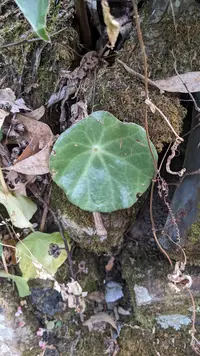
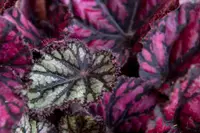
Begonia (Begonia conchifolia var. rubrimacula) Watering Guide

This page explains when, how often, and how much to water Begonia conchifolia var. rubrimacula without giving exact schedules or details.

Water Requirements

Moderate Water

Begonia conchifolia var. rubrimacula Watering

Native to humid Central American forests, this compact species experiences regular moisture plus brief drying periods around its roots. Indoors, watering Begonia conchifolia var. rubrimacula means mimicking that pattern with gently fluctuating, never parched soil.

Aim for consistently light moisture that allows the upper soil to lose some dampness between sessions. This overview frames how to water Begonia before adjusting details for your specific home, potting mix, and light conditions.

Water when the top 1–2 inches (3–5 cm) of soil feel dry, as Begonia conchifolia var. rubrimacula prefers slightly moist but not soggy mix. In bright indoor light this often means checking soil every few days, with faster drying in warm, dry rooms and slower drying in cooler seasons.

Water Begonia when the top 1–2 inches (3–5 cm) of soil feel dry, keeping moisture even but never saturated.

  • Pour room‑temperature water slowly onto the soil surface around the base, avoiding the central crown and leaves.
  • Moisten the root zone until a little water drains from the pot’s holes, then stop to prevent waterlogging.
  • Empty saucers or cachepots within 10–15 minutes so roots sit in barely moist, not standing, water.

Improper moisture levels disrupt normal growth and leaf quality in Begonia conchifolia var. rubrimacula.

Wilting With Damp Soil:

Leaves droop and feel soft while potting mix stays wet, indicating waterlogged roots needing prompt correction.

Yellowing Lower Leaves:

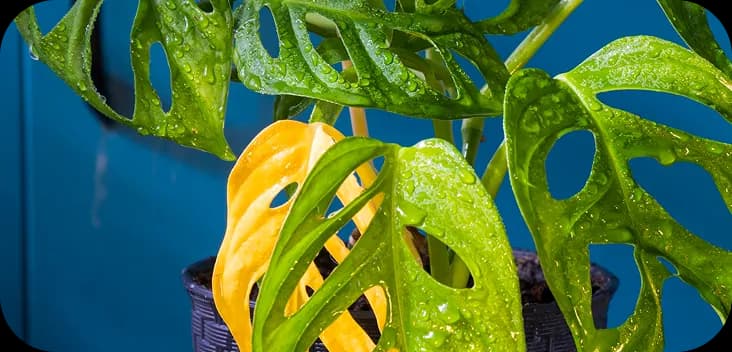
Older foliage turns pale, then yellow, as persistently soggy substrate limits oxygen around delicate roots.

Crisp Brown Leaf Edges:

Leaf margins dry and curl from underwatering or allowing the potting mix to fully desiccate.

Pale Spots After Watering:

Water sitting on leaves under light creates pale, faded patches, so direct moisture contact should be minimized.

Keep the root zone lightly moist with quick drainage, avoiding both waterlogging and complete drying between waterings.

Unsuitable watering habits stress Begonia conchifolia var. rubrimacula, weakening foliage and making this compact plant more vulnerable to pests and disease.

  • Watering by schedule: Following a rigid calendar instead of checking soil moisture often keeps the mix wet too long; test the top layer before watering.
  • Heavy, compacted soil: Using dense potting soil traps water around fine roots; choose a light, airy mix with added perlite for faster drainage.
  • Water sitting in saucer: Letting runoff stay in the saucer keeps the root zone saturated; empty the tray a few minutes after each watering.

Aim for evenly moist, well-drained soil, allowing the top layer to dry slightly so the roots receive both water and air.

  • Spring: New leaves and roots form steadily, so keep the mix slightly moist and reduce any long dry gaps between waterings.
  • Summer: In warm, bright conditions, check moisture more often, but prevent soggy soil by letting the top layer lose gloss and feel barely dry.
  • Fall: Growth slows as light drops, so extend the interval between waterings while still preventing the root zone from fully drying out.
  • Winter: In cooler, lower light rooms, water sparingly, letting the top half-inch of mix dry to limit rot and weak, leggy growth.

Your Begonia Care Companion

Use Botan for a clear watering guide and simple care steps for Begonia conchifolia var. rubrimacula. The app can also review plant photos to help spot issues early.

Botan plant care app — identify plants on mobile

FAQ

Yes. Constantly wet roots deprive them of oxygen and invite rot. After watering, let excess drain, then empty the saucer within 10–15 minutes to keep the root zone just slightly moist, never soggy.

More Plant Watering Guides

Is Your Watering Routine Hurting Your Begonia?

Botan reviews your watering patterns to see if moisture levels stay on track.

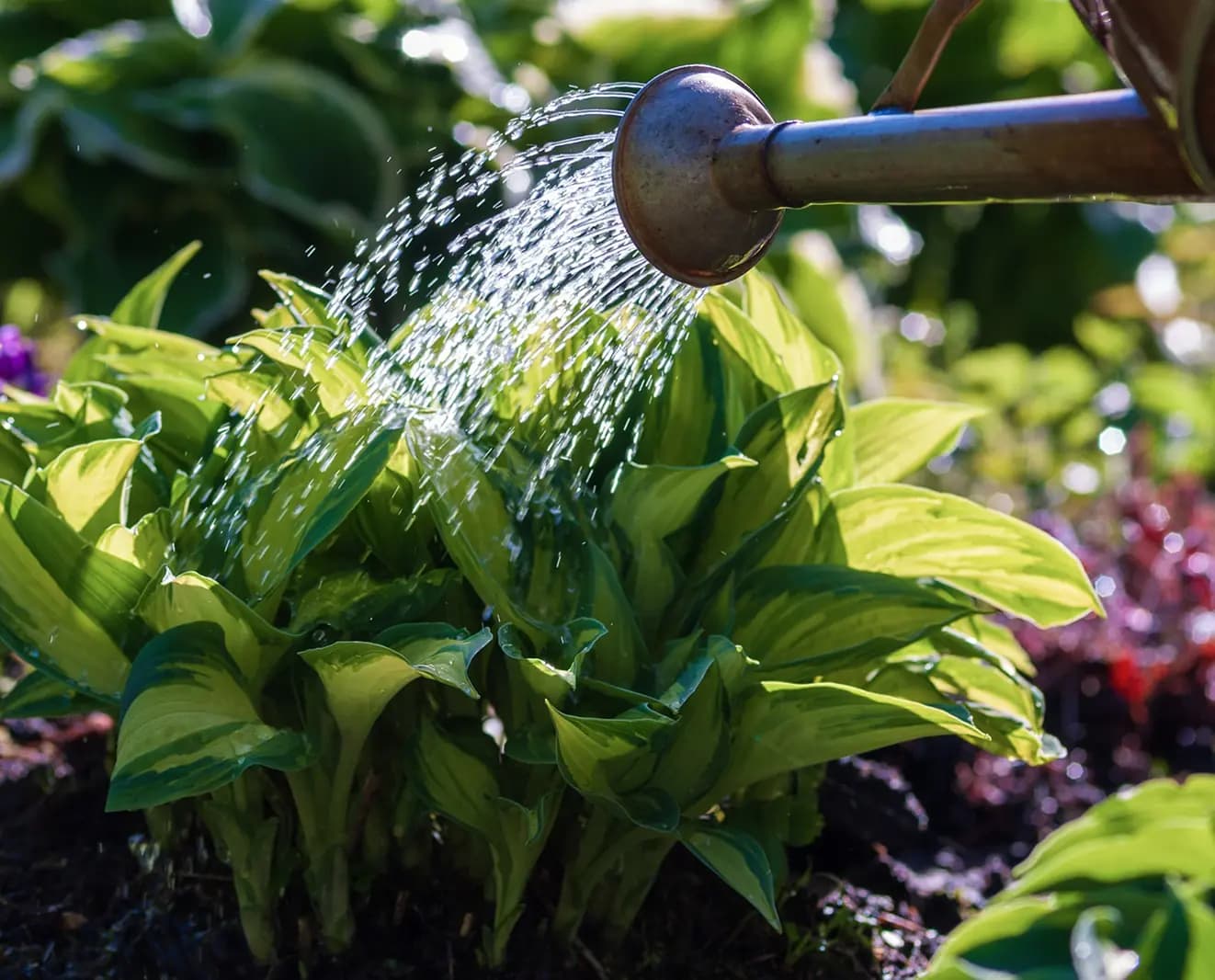
Watering a plant with a copper watering can
20 Funny Plant Names That Make You Laugh

8 min read · 16 Oct 2026

20 Funny Plant Names That Make You Laugh

Some plants carry names that sound like jokes. This guide explains the origins of 20 funny plant names. You will also see which of these plants you can grow at home.

Plant Recommendations
20 Funny Plant Names That Make You Laugh
10 Easy Garden Flowers to Grow

8 min read · 10 Sept 2026

10 Easy Garden Flowers to Grow

Discover 10 garden flowers that require minimal care. Learn which characteristics make plants easy to grow and follow tips on how to create a beautiful corner from beginner-friendly blooms on your property.

Beginner Guides
10 Easy Garden Flowers to Grow
15 Best Scary Halloween Plants and Fungi for a Spooky Garden

8 min read · 9 Oct 2026

15 Best Scary Halloween Plants and Fungi for a Spooky Garden

Want a garden that looks eerie in October? Here are 15 Halloween plants and fungi, from carnivorous traps to bleeding mushrooms. For each species, we cover its appearance, care requirements, and potential uses in your landscape.

Plant Recommendations
15 Best Scary Halloween Plants and Fungi for a Spooky Garden