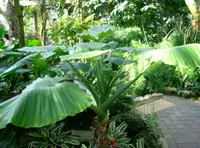
Begonia Care (Begonia conchifolia var. rubrimacula)

Begonia

About Begonia

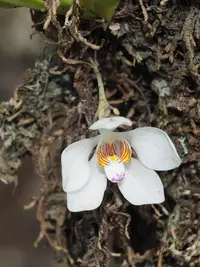
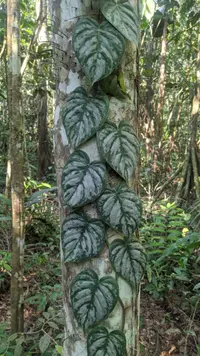
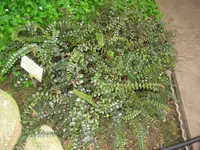
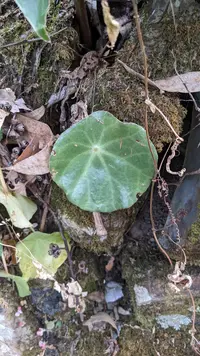
Begonia conchifolia var. rubrimacula is a compact tropical rhizomatous begonia valued for its rounded green leaves marked with a distinct red spot. It is typically grown as an indoor foliage plant rather than for its flowers.

This variety comes from humid Central American forests, where it grows on the forest floor in shaded, sheltered conditions. Its growth habit is low and spreading, forming a dense clump over time.

The plant prefers bright, indirect light, evenly moist but not waterlogged soil, and good air movement. Stable indoor temperatures and moderate humidity make it relatively manageable for those learning how to care for Begonia.

Main Plant Requirements

Care Difficulty

Moderate Care

Light Preference

Bright Indirect Light

Water Requirements

Moderate Water

Temperature Preference

Tropical / Frost Sensitive

Hardiness Zone

11–12

Soil Texture

Loamy, Peaty, Organic-rich

Soil pH

Acidic (5.5–6.5)

Soil Drainage

Moist but well-drained

Fertilization

Light (every 4–6 weeks)

Get Personalized Care Plan

Scan your plant to receive care tips personalized for your specific plant

Available on iOS and Android

How to Care for the Begonia

This species prefers bright, filtered light that mimics a shaded forest understory.

  • Provide 6–8 hours of bright, indirect light daily, such as dappled shade under taller plants or sheer-curtained windows indoors.
  • Allow soft morning sun but protect from direct midday or afternoon sun, which can cause leaf scorch and fade the red leaf spots on Begonia conchifolia var. rubrimacula.
  • In summer, shift slightly deeper into shade if leaves pale or curl; in winter, move to a brighter spot to compensate for shorter, weaker light.

This plant prefers evenly moist but not waterlogged soil around its fibrous roots.

  • Water when the top 2–3 cm of soil feels dry, letting water run through freely, then discard any excess from saucers or cachepots.
  • Reduce frequency in winter so the top 3–4 cm dry between waterings, as cooler conditions slow growth and water use.
  • Watch for yellow, soft leaves and a sour smell as signs of overwatering, and crisp leaf edges or wilting with dry soil as signs of underwatering; adjust watering and drainage accordingly.

This plant grows best in stable, warm conditions without sudden temperature swings.

  • Aim for 65–80°F (18–27°C) for steady growth, with slightly cooler nights improving vigor if kept above 60°F (16°C).
  • Protect from cold; growth stalls below 55°F (13°C), and frost or brief drops near 40°F (4°C) can cause severe leaf damage or plant loss.
  • In hot spells above 85°F (29°C), increase shade and air movement, avoid heat-reflective surfaces, and never place close to heaters or cold drafts.

This species prefers moderately high, stable humidity to keep foliage healthy.

  • Aim for 50–70% humidity; use a small room humidifier or pebble tray if indoor air is dry.
  • Tolerates short dips to 35–40%, but leaf edges may brown and curl or look dull when kept too dry.
  • Increase local humidity by grouping plants and keeping the potting mix lightly moist, not wet, to reduce stress on Begonia leaves.

Use a light, airy, organic-rich mix that drains quickly yet holds some moisture.

  • Combine roughly 40% peat or coco coir, 30% fine bark, and 30% perlite or pumice to support Begonia conchifolia var. rubrimacula roots.
  • Aim for slightly acidic to neutral pH, around 6.0–7.0, which supports nutrient uptake without causing toxicity issues.
  • Ensure the mix feels springy and crumbly; large air pockets between particles keep oxygen around the roots and limit rot risk.
  • Avoid dense garden soil, heavy clay, or mixes with too much fine compost, which compact easily and stay waterlogged.

This species is well suited to container growing due to its compact, clumping habit.

  • Choose a squat, wider pot rather than a very deep one to match its shallow, spreading root system and reduce unused wet substrate.
  • Use a pot material that matches your environment, such as terracotta to dry faster in humid climates or plastic to retain moisture in drier homes.
  • Select a container with slightly weighted or broad base to keep the plant stable as foliage becomes fuller and shifts the center of gravity.

This species responds well to modest feeding during active spring–summer growth in containers.

  • Use a balanced liquid fertilizer (e.g., 10-10-10 or 20-20-20) at 1/4–1/2 strength for Begonia every 3–4 weeks in the growing season.
  • Prefer formulations for foliage houseplants, or apply a thin layer of fine compost on top of the potting mix.
  • Alternatively, use a slow-release, balanced granular product at label rate at the start of spring.
  • Reduce feeding to once in 6–8 weeks in fall and stop in winter dormancy under low light and cooler temperatures.

Light pruning keeps Begonia conchifolia var. rubrimacula compact and encourages fresh foliage.

  • Best time is late winter to early spring, just before strong new growth starts.
  • Use clean, sharp scissors or small pruning shears to remove dead, yellowing, or damaged leaves at the base.
  • Thin crowded, weak, or leggy stems to improve air flow and maintain a rounded, balanced shape.
  • Pinch soft tips lightly during the season to encourage branching without heavy cutting.

Container-grown plants benefit from occasional repotting to refresh mix and relieve root congestion.

  • Look for roots circling the pot, poking from drainage holes, quick drying soil, or slowed growth as cues to repot.
  • Repot every 1–2 years in spring, shifting only 2–5 cm up in pot diameter with a light, airy, well-drained mix.
  • Water lightly before sliding the root ball out, then gently loosen circling roots without tearing healthy tissue.
  • After repotting, water thoroughly once, drain well, and keep in bright, indirect light with slightly reduced watering for 1–2 weeks to limit stress.

This variety is commonly multiplied from stem or leaf cuttings rather than seed for reliable results.

  • Take 5–8 cm soft stem or healthy leaf cuttings in spring or early summer when growth is active.
  • Insert cuttings into a sterile, airy medium such as equal parts perlite and peat or coco coir.
  • Maintain 70–75°F, high humidity, and bright, indirect light; bottom heat speeds rooting.
  • Keep the medium just barely moist; pot rooted cuttings into a fine, free-draining mix once new growth appears.

This tropical species is frost tender and needs protection in regions with cool winters.

  • Move outdoor containers indoors before temperatures drop below 50°F and certainly before any frost risk.
  • Provide bright, indirect light and keep indoor temperatures around 60–70°F through winter.
  • Water more sparingly, allowing the top of the mix to dry slightly, since growth slows in low light.
  • Avoid drafts from cold windows or heating vents to prevent leaf damage and stress.

Care Tips

Gentle crown cleaning

Every 1–2 months, gently remove fallen petals and debris from the crown and leaf bases with soft tweezers or a small brush to reduce fungal issues and prevent rot at the stem junctions.

Low, even branching

Pinch just the very tip of overly tall stems in early spring to encourage low, bushy growth, avoiding removal of more than 1–2 nodes at a time so the plant can recover without stress.

Rotate for even spotting

Rotate the pot 90° every 1–2 weeks so all leaves receive similar light exposure, which helps maintain even red spotting and prevents the plant from leaning strongly to one side.

Targeted pest scouting

Inspect the undersides of leaves and the petiole joints at least twice a month with a hand lens, as this is where mealybugs and spider mites usually settle first, allowing treatment before populations expand.

Seasonal rest adjustment

In winter, allow slightly longer intervals between waterings and avoid repotting or heavy fertilizing, giving this species a mild rest period that often leads to stronger new growth in spring when caring for Begonia.

Common Pests and Diseases

Powdery mildew

This disease appears as a white, powdery coating on the upper leaf surface, often starting on older leaves in dense foliage. Symptoms include distorted growth and gradual yellowing if humidity is high and air does not move well around the plant.

Solution

Improve air circulation around the plant, avoid wetting the leaves, and reduce overcrowding. Remove the most affected leaves and apply a sulfur or potassium bicarbonate fungicide labeled for ornamentals, following directions carefully and keeping the plant in bright, indirect light while it recovers.

Botrytis blight

This disease causes soft, water-soaked spots on leaves, stems, or flowers that quickly develop gray, fuzzy mold, especially in cool, damp conditions. Symptoms include rapid collapse of tender tissue and spotting where fallen petals or debris rest on leaves.

Solution

Remove and discard all affected plant parts and surface debris, then increase airflow and reduce humidity around the plant. Water at the soil level in the morning, keep foliage dry, and if needed use a labeled fungicide for gray mold on ornamentals, rotating products to avoid resistance.

Bacterial leaf spot

This disease produces small, water-soaked lesions that turn dark brown to black and may be surrounded by a yellow halo, often along leaf edges or between veins. Symptoms include coalescing spots that cause large dead patches and premature leaf drop under warm, wet conditions.

Solution

Isolate the plant, remove heavily spotted leaves, and avoid overhead watering or splashing between plants. Disinfect tools, keep foliage dry, and if spread continues, discard severely affected plants and restart from clean stock to protect other begonias in a collection.

Mealybugs

These insects appear as small white cottony clusters in leaf axils, on stems, and sometimes on roots, feeding on sap and weakening the plant. Symptoms include sticky honeydew, sooty mold growth on leaves, and stunted or distorted new growth.

Solution

Wipe or dab visible insects with cotton swabs dipped in 70% isopropyl alcohol, then gently wash the plant with lukewarm water to remove residues. For persistent infestations, use repeated applications of insecticidal soap or horticultural oil, ensuring thorough coverage of leaf undersides and stem joints while monitoring new growth closely as part of Begonia conchifolia var. rubrimacula plant care.

Thrips

These insects are tiny, fast-moving pests that scrape and suck plant tissue, causing silvery streaks, fine speckling, and deformed leaves or flowers. Symptoms include dark specks of frass and distorted new leaves that may curl or appear tough and leathery.

Solution

Rinse the plant under a gentle stream of water to remove as many insects as possible, then apply insecticidal soap or a neem oil product, focusing on new growth and the undersides of leaves. Reduce nearby flowering plants that may host thrips, use yellow or blue sticky cards to monitor, and repeat treatments at 5–7 day intervals until new growth appears clean.

Interesting Facts

Red leaf spot function

The distinctive red spot on the upper surface of each leaf corresponds to a more translucent area that can help channel light deeper into the leaf, an adaptation believed to support photosynthesis in the shaded forest understory where this plant naturally grows.

Shell-shaped leaf form

Its round, slightly cupped leaves resemble small shells, a trait reflected in the epithet conchifolia, which means shell-leaved and likely helps collect and direct water toward the root zone in its moist tropical habitat.

Central American endemic

This variety is naturally found in humid, low- to mid-elevation forests of Central America, especially Costa Rica and nearby regions, where it often grows on rocky slopes or as a lithophyte on mossy boulders under dense canopy shade.

FAQs about Begonia

Brown, crispy edges usually result from low humidity, underwatering, or fertilizer salts building up in the potting mix. Check soil moisture, flush the soil occasionally, and raise humidity slightly to reduce further leaf damage.

Grow Healthy Plants with Botan Care

Keep your plants happy and healthy with plant identification, disease detection, and easy care guidance.

Botan plant care app — identify plants on mobile

Explore More Plants