


5 min read · 11 Sept 2026
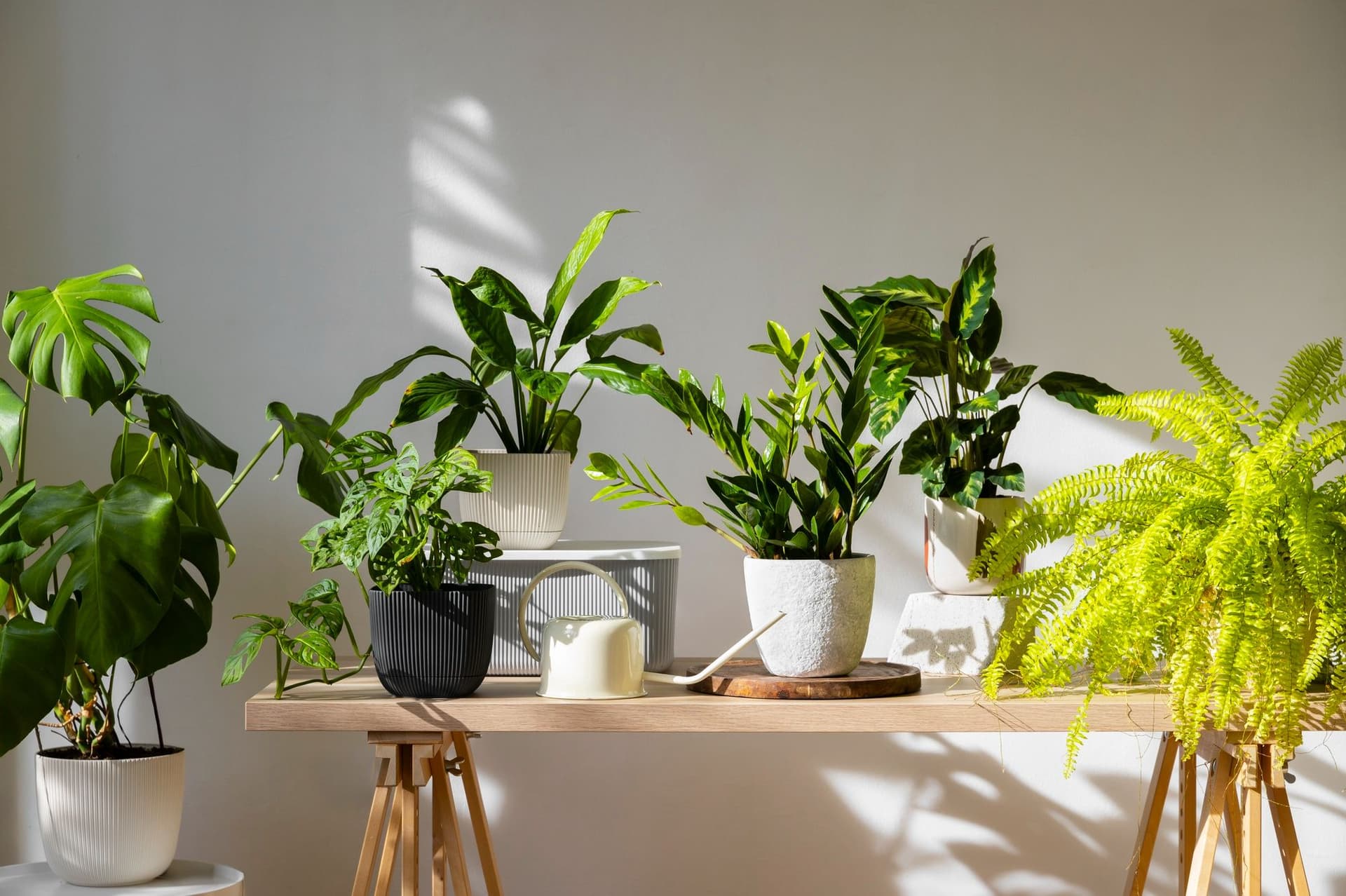
Top 5 Best Indoor Plants for Air Quality
Indoor plants can make a room feel fresher thanks to their air-purifying qualities. Here are 5 of the most suitable choices for your routine and living space.
Plant Recommendations


Cocobolo grows best in full sun, with long, bright exposure and several hours of direct sunlight each day.

Light Preference
Full Sun
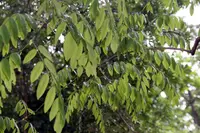
Cocobolo is native to seasonally dry tropical forests of Central America, where strong sun, heat, and a pronounced dry season shape its growth. It often grows in open woodland, forest edges, and gaps where young plants may receive some filtered light before reaching brighter exposure.
These conditions explain why cultivated plants handle direct sun well and do poorly in shade. Cocobolo prefers full sun.
Cocobolo needs about 6–8 hours of full sun daily, with at least 6 hours of direct sun when grown outdoors.
Established plants tolerate strong direct sun well, including midday sun in warm outdoor conditions.
Partial sun is tolerated, but growth is usually stronger and more compact with longer daily exposure.
Shade is not suitable because weak light leads to stretched, sparse growth over time.
Strong sun is usually suitable, but sudden exposure can still stress foliage.
Pale tan or whitish areas may appear on leaflets that face the hottest afternoon sun.
Dry, papery marks may form on the most exposed leaves while shaded inner foliage looks normal.
Tender new leaflets can curl, dry, or mark quickly after a move from shade to open sun.
Thin young stems may show lighter, damaged areas if shade-grown plants are placed in intense sun abruptly.
Move the plant back to morning sun or light filtered shade, then increase exposure over 7–14 days. Provide temporary afternoon shade during heat waves.
Cocobolo is not a shade plant. Weak light most often shows in growth pattern before severe leaf symptoms appear.
New shoots may stretch, leaving wider spaces between leaf clusters than on growth made in full sun.
Stems may angle strongly toward the brightest opening instead of forming a balanced canopy.
Foliage can look thin because shaded branches produce fewer healthy leaflets.
New leaflets may stay smaller and less vigorous during the active growing season.
Move it to a brighter outdoor position with direct sun, starting with gentler morning exposure if it has been shaded. Deep shade is not suitable for long-term growth.
When ideal full sun is not available, choose the brightest outdoor site with direct morning and midday sun instead of a shaded corner. Increase exposure in steps over 1–2 weeks when moving a shade-grown plant into open sun.
Use temporary shade cloth during extreme afternoon heat, then remove it once the plant is acclimated. Avoid covered patios and dense shade because they do not meet Dalbergia retusa light needs.
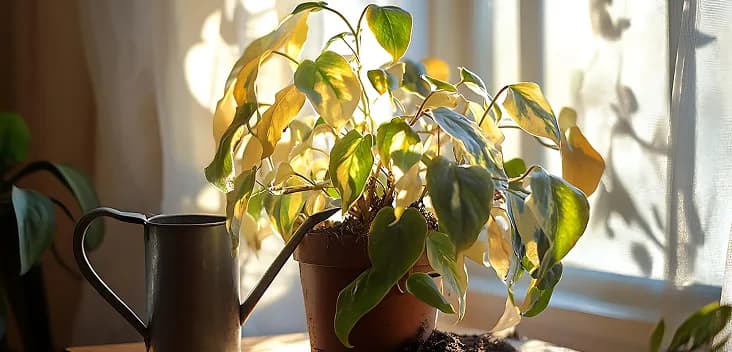
Light Care Advice
Learn what light your plant needs and avoid common lighting mistakes
Scan your plant to receive care tips personalized for your specific plant
The best light for Cocobolo is full sun, with about 6–8 hours of bright outdoor exposure daily and at least 6 hours of direct sun when possible.
Discover how to care for your plants with Botan.

5 min read · 11 Sept 2026
Indoor plants can make a room feel fresher thanks to their air-purifying qualities. Here are 5 of the most suitable choices for your routine and living space.
5 min read · 28 Sept 2026
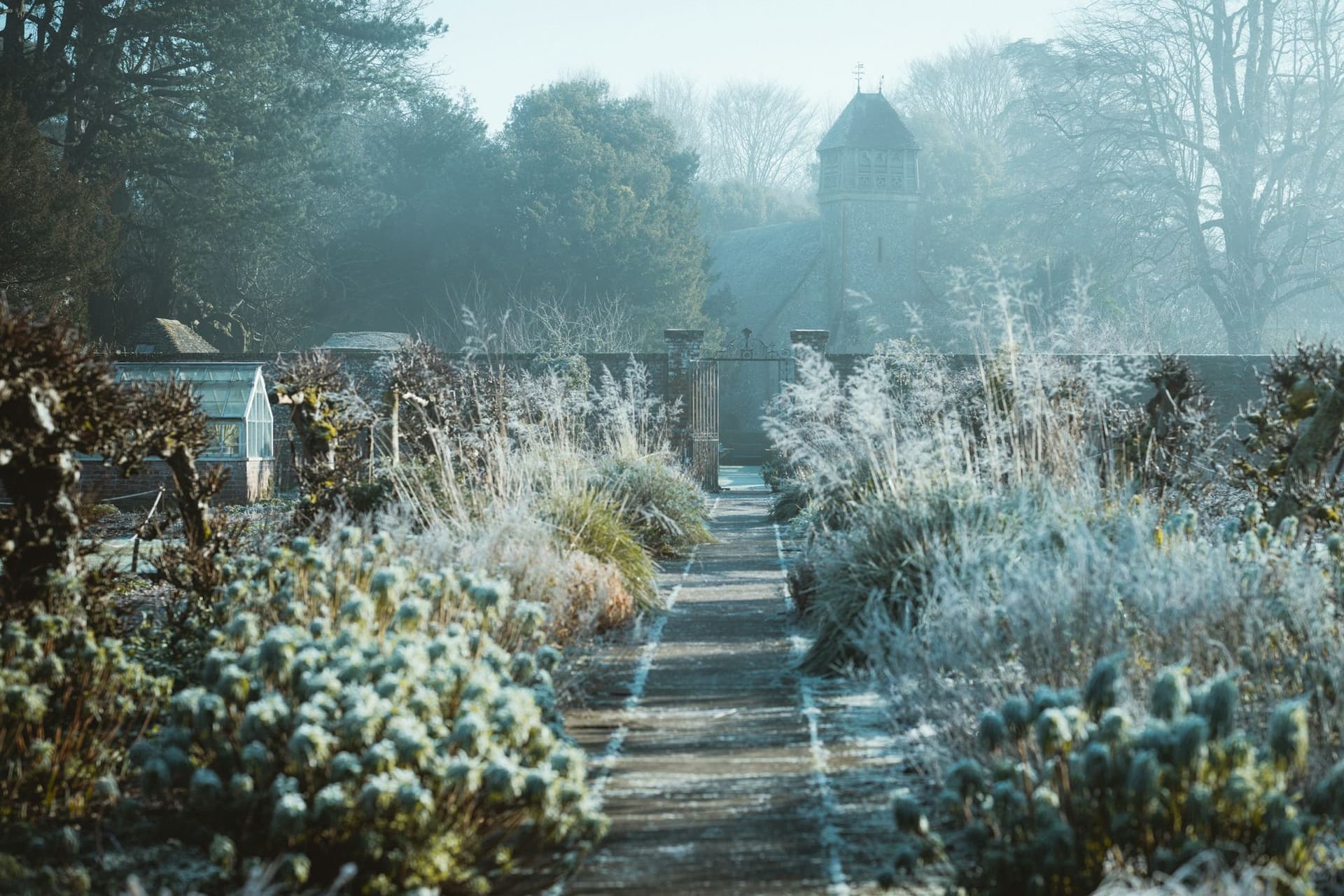
Learn how to prepare your garden for winter with a practical six-step checklist covering cleanup, tender plant care, watering, mulching, winter protection, and winterizing equipment and containers.
8 min read · 9 Oct 2026
Want a garden that looks eerie in October? Here are 15 Halloween plants and fungi, from carnivorous traps to bleeding mushrooms. For each species, we cover its appearance, care requirements, and potential uses in your landscape.