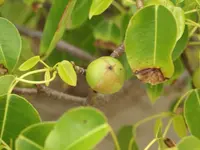
Cocobolo Care (Dalbergia retusa)

Cocobolo

About Cocobolo

Cocobolo (Dalbergia retusa) is a slow-growing, evergreen tropical tree valued mainly for its dense, colorful hardwood. In nature it forms a medium-sized tree with a straight trunk and rounded canopy.

It is native to seasonally dry forests of Central America, especially along the Pacific coast. The heartwood shows striking red, orange, and dark brown patterns, which has led to heavy logging in its native range.

As a live plant, Cocobolo prefers warm, frost-free conditions, bright light, and well-drained soil. It is not an easy species for beginners, since growth is slow and it reacts poorly to cold or waterlogged roots. Gardeners who care for Cocobolo usually grow it outdoors in subtropical climates or in large, protected containers.

Main Plant Requirements

Care Difficulty

Hard Care

Light Preference

Full Sun

Water Requirements

Low Water

Temperature Preference

Tropical / Frost Sensitive

Hardiness Zone

11–12

Soil Texture

Sandy, Loamy, Rocky

Soil pH

Slightly acidic (6.5–7.0), Neutral (7.0)

Soil Drainage

Well-drained

Fertilization

Minimal (feed rarely)

Get Personalized Care Plan

Scan your plant to receive care tips personalized for your specific plant

Available on iOS and Android

How to Care for the Cocobolo

Dalbergia retusa grows best in strong outdoor sun with some protection from extremes.

  • Provide 6–8 hours of direct sun daily, ideally strong morning sun with some light afternoon shade in hot climates.
  • Young trees benefit from 30–50% filtered shade cloth during their first 1–2 years to reduce leaf scorch and transplant stress when caring for Cocobolo.
  • In regions with intense summer sun, protect from reflected heat and hot walls, but avoid deep shade, which causes lanky growth and sparse foliage.

Dalbergia retusa prefers deep, infrequent watering once established, with fast-draining soil.

  • At planting, water slowly until the root zone is soaked, then allow the top 5–8 cm of soil to dry before watering again.
  • For established trees, use deep soakings when the soil 10–15 cm down feels dry, then let it drain fully to limit root rot risk.
  • Yellowing leaves and soft new growth suggest overwatering, while dull, curling leaves and dry, hard soil indicate the tree needs water sooner.

This species thrives in consistently warm, frost-free climates.

  • Ideal growth occurs around 75–90°F (24–32°C), with stable warmth promoting denser wood and healthy canopy formation.
  • Short dips to about 45°F (7°C) can be tolerated, but prolonged exposure near this level slows growth and may damage young tips.
  • Cocobolo is highly heat-tolerant up to about 100°F (38°C) if soil moisture is adequate, but it is very sensitive to frost and should be shielded from cold winds.

This species tolerates relatively dry air but benefits from moderate humidity when grown as Cocobolo indoors.

  • Aim for 40–60% humidity, which usually matches typical indoor conditions without special equipment.
  • Crisp leaf tips, slow new growth, or edge browning can indicate air that is too dry for young container plants.
  • Increase humidity locally by grouping plants, placing the pot on a pebble tray with water below the pot base, or using a small room humidifier.

Dalbergia retusa prefers sharply draining, slightly sandy substrates that do not stay wet.

  • Use a mix of roughly 50% coarse sand or grit, 25% loam, and 25% composted organic matter to balance drainage and nutrient retention.
  • Maintain a slightly acidic to neutral pH around 6.0–7.0 for stable nutrient availability and root health.
  • Improve aeration by including chunky components such as pine bark chips or perlite so water moves quickly through the root zone.
  • Avoid heavy clay-based mixes, peat-only blends, or any substrate that compacts and stays soggy after watering.

This species can be grown in containers when managed as a slow-growing specimen or bonsai.

  • Choose a deep, heavy pot to counterbalance the plant’s dense wood and prevent tipping in strong winds.
  • Select a mineral-based mix that dries relatively quickly, since containers limit natural soil drainage compared to in-ground planting.
  • Use a container with wide drainage holes and keep a small air gap between the pot base and any saucer to avoid standing water at the root zone.

Dalbergia retusa grows slowly and needs only modest, targeted fertilization in cultivation.

  • Use a balanced slow-release fertilizer (around 10-10-10 NPK) or light compost in spring for young or container-grown Cocobolo.
  • Feed once at the start of the warm growing season; a second light application in mid-season is usually enough.
  • Apply at 50–75% of the label rate to avoid salt buildup and root burn.
  • Stop feeding in late fall and during winter dormancy, especially in cooler or low-light conditions.

Pruning Dalbergia retusa focuses on health, safe structure, and manageable size.

  • Carry out main pruning in late winter or very early spring before active growth begins.
  • Remove dead, diseased, crossing, or storm-damaged branches with clean, sharp bypass pruners or a pruning saw.
  • Thin crowded interior shoots to improve light penetration and air flow, shaping a single strong central leader if desired.
  • Limit cuts to smaller branches when possible, as heavy removal can slow growth and reduce future flowering or pod set.

Dalbergia retusa is usually field-grown, so care centers on planting young trees and minimizing transplant shock.

  • Transplant in late spring or early summer once soil is warm and stable, avoiding extreme heat or drought.
  • Look for circling roots, poor drainage, or stalled growth in containers as signs a step up in size is needed.
  • Move container plants only every 2–3 years, shifting to a pot 5–8 cm wider with a sharply draining, sandy mix.
  • Water deeply before and after planting, keep the root ball intact, and shade the tree for 1–2 weeks to reduce stress.

Dalbergia retusa is usually propagated from seed, with vegetative methods used less often and requiring controlled conditions.

  • Collect mature, dry pods and sow seeds in late spring in a warm, bright, sheltered spot.
  • Scarify hard seed coats lightly and soak for 12–24 hours to improve germination.
  • Use a sterile, sandy seed mix kept at 75–85°F and just moist, not wet, to prevent rot.
  • Semi-ripe cuttings need high humidity, bottom heat, and rooting hormone, and often root slowly.

Dalbergia retusa is a tropical to subtropical species and needs protection in climates with frost or prolonged cold.

  • In ground, plant only in frost-free or very mild coastal areas with winter temperatures consistently above 32°F.
  • Apply a 5–8 cm mulch layer over the root zone in fall, keeping it slightly away from the trunk.
  • Move container plants indoors or into a heated greenhouse before nights drop below 40°F, providing bright light and good air flow.
  • Reduce watering in winter so the soil stays slightly dry between waterings, especially in cool indoor conditions.

Care Tips

Early form training

Begin shaping young trees with a single strong leader and 3–5 evenly spaced lateral branches, using soft ties and gentle staking during the first 2–3 years to build a stable long-term structure.

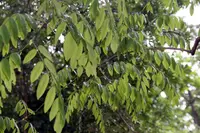
Dry-season mulching

Apply a 5–8 cm layer of coarse organic mulch in a wide ring around the root zone before the dry season to moderate soil temperature, reduce evaporation, and encourage deeper rooting.

Root competition control

Keep a cleared, mulched circle at least 60–90 cm wide around the trunk, removing turf and aggressive groundcovers so feeder roots can access water and nutrients without strong competition.

Wind and sun acclimation

When growing Cocobolo from container stock, harden plants off over 10–14 days by gradually increasing exposure to full sun and wind to reduce transplant shock and leaf scorch.

Preventing trunk damage

Install simple physical barriers or guards at the base of young trees in areas with lawn equipment or grazing animals to prevent bark injury that can slow growth or invite pathogens.

Everything About Cocobolo

Common Pests and Diseases

Shoot borers

This pest targets young shoots and twigs, boring inside the stem and causing wilting, dieback, and distorted new growth. Symptoms include frass (fine sawdust) at entry holes and hollowed stems.

Solution

Prune and destroy infested shoots as soon as damage is noticed, cutting back to healthy wood. For plantation or landscape trees, reduce borer pressure by keeping trees vigorous with proper watering, avoiding mechanical injury to bark, and, if infestations are recurrent, using a targeted trunk or canopy insecticide treatment timed to the main flushing period, following local forestry or extension recommendations.

Heartwood borers

These insects tunnel into older stems and trunks, degrading the dense heartwood valued in Cocobolo and sometimes causing structural weakness over time. Symptoms include small exit holes, internal galleries, and sometimes localized branch dieback.

Solution

Remove and properly dispose of heavily infested branches and any deadwood that can serve as a breeding site. For standing trees, maintain strong overall vigor, promptly remove storm-damaged wood, and in high-value specimens consider periodic inspection by an arborist who can recommend localized injection or surface treatments where forestry-approved products are available for Dalbergia retusa care.

Leaf miners

These insects live inside the leaf tissue and create pale, winding tunnels that reduce the photosynthetic area. Symptoms include serpentine mines, blotchy patches, and early yellowing and drop of affected leaves on young trees or container-grown plants.

Solution

Remove and destroy leaves showing active mines to break the life cycle, especially on small or nursery plants. Improve plant vigor with adequate light and balanced nutrition, and if damage is extensive on young stock, use a systemic insecticide labeled for leaf miners on woody ornamentals, applied according to local guidelines.

Powdery mildew

This disease forms a white, powder-like fungal growth on young leaves and shoots, which can lead to leaf distortion and reduced growth in shaded or humid conditions. Symptoms include dull, gray-white patches on the surface and sometimes premature leaf drop on nursery or landscape plants.

Solution

Improve light and air movement around the canopy by selective pruning and avoiding dense crowding of trees or nursery containers. Remove heavily infected leaves and, in persistent humid conditions, apply a sulfur-based or other labeled fungicide as a preventative on young foliage, following local regulations and product instructions for Cocobolo indoor care or outdoor specimens.

Leaf spot

This disease complex causes small brown, tan, or dark purple spots on leaves, which may merge to form larger dead areas, especially in humid, poorly ventilated sites. Symptoms include spotting that often starts on lower, older leaves and may lead to moderate defoliation in young trees or nursery stock.

Solution

Collect and discard fallen infected leaves to reduce inoculum, and avoid overhead irrigation that keeps foliage wet for long periods. If leaf spot recurs, increase spacing for better airflow and use a copper-based or other broad-spectrum fungicide labeled for ornamental trees, focusing treatments on new flushes of growth during extended wet or humid weather.

Interesting Facts

Highly prized heartwood

The heartwood of this Central American tree is extremely dense, fine-grained, and naturally oily, which makes it very stable and resistant to decay and insect attack in long-term use.

Natural color variability

Individual trees can produce heartwood ranging from orange-brown to deep purplish or almost black, often with dramatic dark streaks, so each board or turned object has a distinct visual pattern.

Slow growth and rarity

This species grows slowly in dry tropical forests and has been heavily logged for high-end timber, which has contributed to its listing on CITES Appendix II to regulate and monitor international trade.

Botan icon

Did you know?

The fine dust produced when machining cocobolo wood is known to cause allergic reactions such as skin irritation and respiratory sensitization in some people, which is why woodworkers are advised to use strong dust collection and personal protective equipment when working with it.

FAQs about Cocobolo

This species grows slowly, typically adding 15–30 cm of height per year under warm, frost-free conditions. Growth is slower in containers or cooler areas. Good nutrition and consistent moisture improve vigor when trying to grow Dalbergia retusa.

Grow Healthy Plants with Botan Care

Keep your plants happy and healthy with plant identification, disease detection, and easy care guidance.

Botan plant care app — identify plants on mobile

Explore More Plants