Umbrella Magnolia Care (Magnolia tripetala)

Also known as: umbrella-tree, elkwood
Umbrella Magnolia

About Umbrella Magnolia

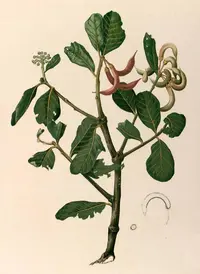
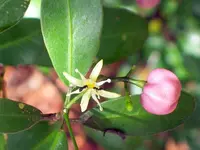
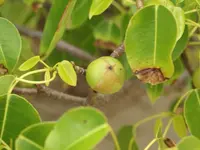
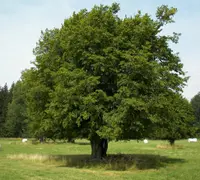
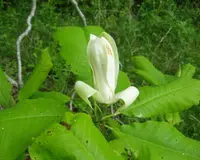
Umbrella magnolia (Magnolia tripetala) is a deciduous small tree known for its very large, umbrella-like leaves clustered at the tips of branches. It produces creamy white, strongly scented flowers followed by cone-shaped clusters of reddish fruits that add seasonal interest.

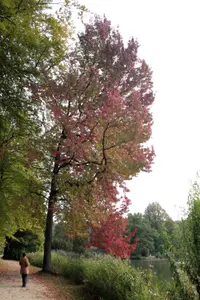
This species is native to the Appalachian and southeastern regions of the United States, where it grows in moist, sheltered woodlands. It tends to form a bold, coarse-textured silhouette that suits naturalistic or woodland-style gardens.

Magnolia tripetala prefers rich, consistently moist, well-drained soil and protection from harsh, drying winds. With adequate space, moisture, and partial sun to light shade, it is relatively straightforward to care for Umbrella Magnolia.

Main Plant Requirements

Care Difficulty

Moderate Care

Light Preference

Partial Shade

Water Requirements

Keep Soil Moist

Temperature Preference

Cold Hardy

Hardiness Zone

4–8

Soil Texture

Loamy, Silty, Organic-rich

Soil pH

Acidic (5.5–6.5), Slightly acidic (6.5–7.0)

Soil Drainage

Moist but well-drained

Fertilization

Minimal (feed rarely)

Get Personalized Care Plan

Scan your plant to receive care tips personalized for your specific plant

Available on iOS and Android

How to Care for the Umbrella Magnolia

This deciduous tree prefers bright, indirect light with some shelter from intense midday sun.

  • Provide 4–6 hours of morning sun with light afternoon shade; dappled light under taller trees suits Umbrella Magnolia well.
  • Allow partial shade, especially in hotter climates, to prevent leaf scorch and excessive moisture loss.
  • Avoid deep shade, which leads to sparse growth and fewer flowers; in winter, full sun is acceptable as the tree is leafless and less sensitive.

This species prefers evenly moist, cool soil that never stays waterlogged.

  • Water when the top 3–5 cm of soil feels slightly dry, aiming for consistently damp but not saturated conditions around the root zone.
  • Increase watering during hot, dry periods and in the first 2–3 years after planting Magnolia tripetala to support root establishment.
  • Watch for yellowing, limp leaves as a sign of overwatering and crisp, browning edges as an underwatering signal, and ensure soil drains freely.

This temperate-climate tree is hardy and tolerates a wide range of outdoor temperatures when established.

  • Optimal growing temperatures are 60–80°F (16–27°C) during the active season, with cool nights promoting steady growth.
  • Mature trees tolerate winter lows near -20°F (-29°C), but young plants benefit from protection from harsh wind and freeze-thaw cycles.
  • Heat tolerance is moderate; in spells above 90°F (32°C), provide extra mulch and moisture to reduce stress and leaf scorch risk.

This species prefers moderately moist air but usually adapts to typical outdoor humidity in its range.

  • Aim for 40–60% humidity in sheltered planting sites, such as near larger shrubs or trees that buffer drying winds.
  • It tolerates brief dry air spells, but prolonged hot, dry wind can scorch Umbrella Magnolia leaves and brown edges.
  • In exposed sites, increase local humidity by mulching heavily, grouping plants, and using windbreaks to reduce leaf moisture loss.

Magnolia tripetala grows best in deep, consistently moist, well-drained, organic-rich soil.

  • Use a loamy structure with a mix of native soil, compost, and leaf mold to hold moisture while staying friable.
  • Ensure drainage is steady, not fast; avoid compacted clay or spots where water pools for hours after rain.
  • Target a slightly acidic to neutral pH around 5.5–7.0, avoiding strongly alkaline or limy soils that can limit nutrient uptake.
  • Improve aeration and drainage by incorporating 10–20% pine bark fines or coarse sand into heavy soils before planting.

This species is generally not well suited to long-term container growing due to its eventual size and root needs.

Magnolia tripetala benefits from modest, well-timed feeding rather than heavy fertilization.

  • Apply a balanced slow-release fertilizer (around 10-10-10) in early spring as new growth begins.
  • Use compost or leaf mold as a light mulch over the root zone to improve soil structure and nutrients.
  • Feed once per growing season in most garden soils; skip feeding on very rich or recently amended sites.
  • Avoid fertilizing Umbrella Magnolia in late summer or fall and reduce or stop feeding completely in winter.

Magnolia tripetala needs only light, intentional pruning to maintain structure and health.

  • Prune in late winter or very early spring before active growth, avoiding heavy cuts on older wood.
  • Remove dead, damaged, or crossing branches first using clean, sharp bypass pruners or a pruning saw.
  • Thin congested interior shoots lightly to improve airflow while keeping the natural open, umbrella-like form.
  • Limit pruning of strong leaders to prevent weak structure and to support stable, upright growth.

This magnolia is usually grown in the ground, so care focuses on careful transplanting rather than frequent repotting.

  • Transplant young trees in early spring or early fall when conditions are cool and soil is moist.
  • Look for signs such as roots circling a container, slow growth, or quick drying soil before moving a potted plant.
  • Handle the root ball gently, loosening only lightly at the edges to reduce root stress and transplant shock.
  • Plant at the same depth as before, water thoroughly, and maintain even moisture for several weeks after transplanting.

Magnolia tripetala is usually propagated by seed, which requires patience and specific conditions.

  • Collect ripe seed in fall, clean off the fleshy coating, and cold stratify for 3–6 months at 34–41°F.
  • Sow stratified seeds in a well-drained, slightly acidic mix and keep evenly moist in a bright, cool place.
  • Use semi-ripe cuttings in midsummer with rooting hormone, high humidity, and bottom warmth, though success rates vary.
  • Label young plants clearly and grow them on in containers or a protected bed until roots and stems are well established.

This species is generally cold hardy in much of its range and needs minimal winter care once established.

  • Mulch the root zone with 5–8 cm of shredded bark or leaves, keeping mulch away from the trunk flare.
  • Young trees benefit from wind shelter and may need a breathable trunk wrap in very exposed sites.
  • Container-grown plants in colder zones should be moved into an unheated garage or against a sheltered wall.

Care Tips

Windbreak placement

Site young trees near a natural or built windbreak, or install temporary burlap fencing on the prevailing-wind side, to reduce wind burn and limb breakage on the very large, soft leaves.

Deep structural staking

For newly planted specimens in exposed locations, use 2–3 low, flexible stakes and soft ties set outside the root ball for 1–2 years to stabilize the trunk while still allowing slight movement that encourages strong root development.

Mulch for shallow roots

Maintain a 5–8 cm deep, 1–2 m wide ring of organic mulch, kept a few cm away from the trunk, to protect the shallow root system from mechanical damage and soil temperature swings.

Understory companion planting

Plant shade-tolerant, shallow-rooted groundcovers rather than turf grass beneath the canopy to keep soil cooler and moister while avoiding competition and mower damage to surface roots when growing Umbrella Magnolia.

Leaf litter management

Leave a thin layer of fallen leaves under the tree over winter to recycle nutrients and insulate roots, then remove or shred excess in spring to prevent smothering emerging groundcovers and to reduce habitat for overwintering pests.

Common Pests and Diseases

Tuliptree scale

This pest is a soft scale insect that feeds on sap, causing yellowing leaves, twig dieback, and heavy honeydew that encourages black sooty mold on umbrella magnolia. Infestations often build up on older branches and can weaken young or stressed trees.

Solution

Prune out and destroy heavily infested twigs and improve tree vigor with proper watering and mulch. For remaining populations, scrub accessible scales off smaller branches or use a horticultural oil spray in late winter or early spring to smother overwintering insects, following local label and timing guidelines.

Magnolia scale

This pest is a large, dome-shaped soft scale that can cluster on branches and undersides of twigs, extracting sap and causing leaf yellowing and stunted growth. Heavy honeydew deposits may lead to sooty mold and attract ants.

Solution

Inspect branches closely and prune out sections with dense clusters of scales when practical. For broader infestations, apply horticultural oil during the dormant season to reduce overwintering females and crawlers, and encourage natural enemies such as lady beetles by avoiding broad-spectrum insecticides nearby.

Leaf spot fungi

This disease causes tan to brown spots that may have darker borders on foliage, sometimes leading to premature leaf drop in warm, wet weather. Symptoms include scattered spots that can coalesce into larger irregular lesions on older leaves.

Solution

Rake and remove fallen leaves to reduce fungal spores and avoid overhead irrigation that keeps foliage wet. Improve air movement around the canopy, and in severe, recurring cases consider a labeled ornamental fungicide applied preventively at leaf-out if local extension recommendations support this for Magnolia tripetala care.

Bacterial leaf spot

This disease produces water-soaked or dark, angular spots on leaves that can enlarge and give foliage a scorched appearance, especially after prolonged wet or humid conditions. Symptoms include spotting that often follows the veins and may lead to partial defoliation on younger trees.

Solution

Remove and discard affected leaves from the tree and ground to limit bacterial spread, and avoid handling foliage when it is wet. Reduce leaf wetness duration by watering at soil level early in the day, and avoid high-nitrogen fertilization that promotes overly soft, susceptible growth.

Interesting Facts

Umbrella-like leaf clusters

This species forms distinctive whorls of very large leaves at the ends of its branches, creating an umbrella-shaped canopy that inspired its common name, umbrella magnolia.

Strong carrion-like scent

The flowers release a heavy, sometimes unpleasant odor thought to mimic decaying material, which attracts specific beetle pollinators that evolved to use this cue.

Appalachian forest specialist

Magnolia tripetala is naturally restricted to moist, sheltered sites in the Appalachian and adjacent regions of eastern North America, where it forms part of rich mixed hardwood forests on shady slopes and ravines.
Botan icon

Did you know?

The fruiting structures of this species develop into striking, cone-like aggregates that turn pink to reddish and split open to reveal bright red seeds, which are highly visible to birds that help disperse the seeds across the forest understory.

FAQs about Umbrella Magnolia

This species grows at a moderate rate, typically adding about 30–60 cm per year once established. Growth is faster in deep, moist, slightly acidic soil with consistent moisture and shelter from hot, drying winds.

Grow Healthy Plants with Botan Care

Keep your plants happy and healthy with plant identification, disease detection, and easy care guidance.

Botan plant care app — identify plants on mobile

Explore More Plants