European hornbeam Care (Carpinus betulus)

Also known as: Hornbeam, Caucasian Hornbeam, Common Hornbeam
European hornbeam

About European hornbeam

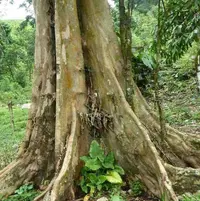
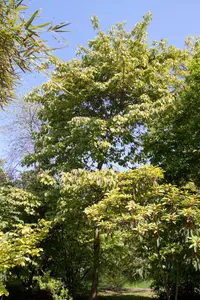
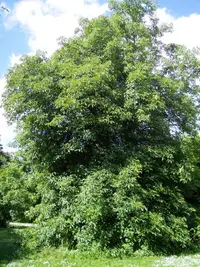
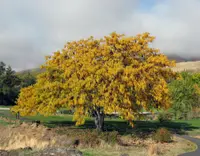
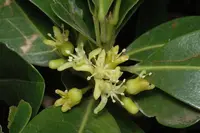
European hornbeam (Carpinus betulus) is a hardy, deciduous tree commonly used for hedges, screens, and structured landscapes. It forms a dense crown with smooth gray bark and finely toothed, ribbed leaves that turn yellow in fall.

This species is native to much of Europe and parts of western Asia, typically growing in mixed woodlands and on well-drained, fertile soils. It tolerates regular pruning, urban pollution, and a range of soil types, which makes it adaptable but best suited to outdoor planting.

It usually prefers full sun to light shade and moist, well-drained soil. Understanding how to care for European hornbeam starts with choosing an appropriate site and giving it room to develop its strong root system.

Main Plant Requirements

Care Difficulty

Moderate Care

Light Preference

Full Sun

Water Requirements

Moderate Water

Temperature Preference

Cold Hardy

Hardiness Zone

4–8

Soil Texture

Loamy, Clay, Silty

Soil pH

Acidic (5.5–6.5), Slightly acidic (6.5–7.0)

Soil Drainage

Moist but well-drained

Fertilization

Minimal (feed rarely)

Get Personalized Care Plan

Scan your plant to receive care tips personalized for your specific plant

Available on iOS and Android

How to Care for the European hornbeam

This deciduous tree handles a range of light, but grows best with consistent sun exposure.

  • Provide 4–6 hours of direct sun daily, ideally morning sun with light afternoon shade, especially in hotter regions.
  • European hornbeam tolerates partial shade, but dense shade leads to thinner canopies, reduced growth, and sparser autumn color.
  • Young trees benefit from some protection from intense afternoon summer sun to limit leaf scorch, while mature trees handle stronger light more easily.

This species prefers evenly moist, not saturated, soil once established.

  • Water when the top 3–5 cm of soil feels dry, aiming for deep soaking that wets the full root zone rather than frequent light sprinkling.
  • Carpinus betulus tolerates short dry spells once mature, but prolonged drought leads to leaf browning, early leaf drop, and reduced shoot growth.
  • Ensure well-drained soil; signs of overwatering include yellowing leaves and dieback on young shoots, while crisp leaf edges indicate underwatering.

This hardy tree is adapted to cool to temperate climates with marked seasons.

  • Optimal growing temperatures are about 60–75°F (16–24°C) in spring and early summer, when shoot extension and leaf expansion are most active.
  • Carpinus betulus tolerates winter lows near -20°F (-29°C) once established, but young trees benefit from mulch to buffer root-zone freezing.
  • In hot summers above 86°F (30°C), combine soil moisture management with some afternoon shade to reduce heat stress and marginal leaf scorch.

This species tolerates a wide humidity range and rarely needs special humidity management outdoors.

Carpinus betulus prefers moderately moist, well-structured mineral soils that stay aerated yet retain some water.

  • Use a deep, loamy substrate with a mix of garden soil, compost, and sharp sand for structure and stability.
  • Aim for slightly acidic to neutral pH around 6.0–7.5, avoiding strongly acidic or chalky extremes where nutrients lock up.
  • Ensure steady drainage so the root zone never stays waterlogged; raised beds or gentle slopes help excess water move away.
  • Improve aeration in heavier soils by incorporating coarse sand or fine grit rather than peat-only amendments.

This species can be grown in containers, especially when trained as a patio tree or bonsai.

  • Choose a wide, heavy container to prevent wind-tilt as the crown becomes denser and more top-heavy over time.
  • Use a relatively deep pot that allows a strong, fibrous root system to form rather than a shallow, plate-like root mat.
  • Select a pot material with moderate moisture retention, such as thick-walled ceramic, to buffer roots from rapid drying.

This tree grows well in average garden soil but responds to light feeding in poor or depleted sites.

  • Apply a balanced slow-release fertilizer (for example 10-10-10) once in early spring for young or newly transplanted European hornbeam.
  • Use well-rotted compost or leaf mold as a 2–5 cm surface mulch to add organic matter and trace nutrients.
  • Avoid high-strength products; apply at half the label rate, especially on established trees in reasonable soil.
  • Do not feed in late fall or winter, as growth should harden off before freezing conditions.

Carpinus betulus accepts pruning well and can be shaped as a hedge, screen, or specimen tree.

  • Carry out structural pruning in late winter to early spring before bud break, avoiding heavy cuts in late summer.
  • Remove dead, diseased, crossing, or inward-growing branches first to improve light penetration and air flow.
  • Use clean, sharp bypass pruners or loppers and make cuts just outside the branch collar to support proper healing.
  • On hedges, trim new growth in mid to late summer to maintain dense form without cutting back into bare old wood.

This species is usually grown in the ground, so focus on correct transplanting rather than frequent container repotting.

  • Transplant bare-root or container-grown trees in late fall or early spring while dormant, avoiding hot, dry periods.
  • Look for circling or pot-bound roots in nursery stock and gently tease them out or make shallow vertical cuts.
  • Plant at the same depth as in the pot, spread roots over a broad area, and water slowly and deeply after planting.
  • Reduce root stress by keeping soil evenly moist for the first 1–2 growing seasons and using a 5–8 cm mulch layer.

Carpinus betulus is most often propagated from seed or by nursery grafted or container-grown stock rather than at home.

  • Collect ripe seed in fall, then use cold stratification (chilling moist seed at 34–41°F for 3–5 months) before spring sowing.
  • Sow in a free-draining, low-fertility medium, keep evenly moist, and provide bright, indirect light for germination.
  • Semi-ripe cuttings in midsummer need high humidity, mild bottom heat, and rooting hormone to improve success, though results vary.
  • Simple layering of young, flexible branches in spring can produce rooted plants over 1–2 seasons with minimal disturbance.

This tree is cold hardy in much of the US and usually needs minimal winter care once established in the ground.

  • Young trees benefit from a 5–8 cm mulch layer over the root zone, kept clear of the trunk, to moderate freeze–thaw cycles.
  • In very cold or exposed sites, use burlap windbreaks around newly planted trees to limit desiccating winter winds.
  • Container-grown plants are more vulnerable; move pots into a sheltered, unheated area or insulate containers with wrap or mulch.

Care Tips

Structured leader training

In the first 3–5 years, select and lightly stake one strong central leader and remove competing upright shoots to build a stable, storm-resistant framework.

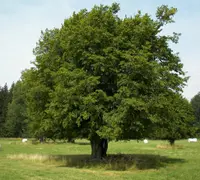
Progressive crown lifting

Raise the canopy gradually by removing 1–2 of the lowest branches every 2–3 years rather than many at once, which reduces stress and preserves trunk taper and stability.

Formative hedge clipping

When using hornbeam as a hedge, clip the sides slightly narrower at the top than the bottom and keep the top level to ensure light reaches the lower branches and prevents bare patches.

Root zone protection

Keep the soil over the root zone mulched and avoid regular parking, heavy foot traffic, or cultivation within the area under the canopy spread to prevent soil compaction and root decline.

Dormant-season inspection

During winter, inspect the bare framework for crossing branches, cankers, or scale insects and address these issues before budbreak, which makes caring for European hornbeam more efficient and less stressful for the plant.

Common Pests and Diseases

Aphids

This pest feeds on young shoots and leaves, sucking sap and causing distorted growth and sticky honeydew deposits that can lead to sooty mold. Symptoms include curled new leaves, slow growth, and presence of small soft-bodied insects on shoot tips.

Solution

Prune and discard heavily infested shoot tips, then spray remaining foliage with a strong jet of water to dislodge insects. For ongoing issues, use insecticidal soap or a ready-to-use neem oil spray, applied thoroughly to young growth every 5–7 days until populations decline, while also encouraging natural predators like lady beetles where possible.

Leaf miner

This pest lives inside the leaf tissue and creates pale, winding tunnels or blotches that reduce the leaf’s photosynthesis. Symptoms include discolored serpentine trails and premature leaf drop on affected branches.

Solution

Collect and destroy heavily affected fallen leaves to remove larvae before they mature. On small trees or hedges, remove and discard badly mined leaves early in the season and, if damage is persistent, use a systemic insecticide labeled for leaf miners applied at bud break according to label directions.

Powdery mildew

This disease causes a white to gray powdery coating on leaves, especially in shaded, humid conditions, which can lead to leaf distortion and early leaf drop. Symptoms include dull, mottled foliage and reduced vigor on affected shoots.

Solution

Improve air circulation by thinning crowded branches and avoid overhead watering in the evening. Remove and discard heavily infected leaves and, if needed, apply a sulfur or potassium bicarbonate fungicide labeled for powdery mildew at the first sign of symptoms, repeating as directed during humid periods.

Canker

This disease produces sunken, discolored patches on branches or stems that can girdle and kill individual limbs, sometimes causing dieback in the canopy. Symptoms include dead twigs above the infection site and cracked or oozing bark around affected areas.

Solution

Prune out infected branches at least 15–20 cm below the visible canker during dry weather, disinfecting pruning tools between cuts with alcohol or a 10% bleach solution. Maintain tree vigor with proper watering and mulching, and avoid trunk or bark injuries that create entry points for pathogens.

Leaf spot

This disease causes small brown to purple spots on leaves, which may merge into larger blotches and sometimes lead to early leaf drop in late summer. Symptoms include speckled foliage and a thin canopy on heavily affected trees.

Solution

Rake and dispose of fallen leaves in autumn to lower the amount of overwintering fungi. In repeated severe cases, apply a suitable foliar fungicide at leaf emergence and repeat according to product directions, while also improving airflow around the tree to help foliage dry faster after rain.

Interesting Facts

Extremely hard timber

The wood of this species is one of the hardest among European broadleaf trees and was traditionally used for tool handles, piano actions, and gear teeth where high wear resistance and fine machining were needed.

Marcescent winter leaves

Older trees often keep many dead leaves on lower branches through winter, a trait called marcescence, which may help protect buds and reduce browsing by herbivores.

Shade-tolerant forest species

This tree can regenerate and grow in relatively deep shade under a forest canopy, which allows it to persist in mixed woodlands and form dense understories, especially on fertile, moist, lime-rich soils.

Botan icon

Did you know?

In European history, this species was a preferred tree for creating long-lived formal hedges and tunnel-like alleys in parks and estates, because it responds exceptionally well to repeated pruning and can maintain tight, geometric shapes for centuries when managed correctly.

FAQs about European hornbeam

Growth is moderate rather than fast. In typical garden conditions, young trees add about 25–40 cm per year, slowing as they mature. Growth rate increases with consistent moisture, fertile soil, and adequate root space.

Grow Healthy Plants with Botan Care

Keep your plants happy and healthy with plant identification, disease detection, and easy care guidance.

Botan plant care app — identify plants on mobile

Explore More Plants