


7 min read · 24 Aug 2026
How to Water Houseplants: Watering Guide
Learn how often to water indoor plants, key factors for proper watering, and how to adjust the care routine by plant type, season, pot size, light, and indoor conditions.
Plant Care

rowan grows best in full sun, with at least 6 hours of direct sunlight during the growing season.

Light Preference
Full Sun
In its native range across much of Europe and western Asia, rowan grows in cool temperate conditions, often on woodland edges, upland slopes, and open clearings. Young plants may receive some side shade, but established trees are commonly exposed to open sky and seasonal direct sun.
This background explains its strong performance in bright garden sites. Preferred light is full sun.
Sorbus aucuparia needs about 6–8 hours of full sun daily, with at least 6 hours of direct sun for strongest growth and flowering.
Established trees tolerate direct sun well, including afternoon sun in cooler or moderate climates.
It can grow with 4–6 hours of direct sun, but flowering and fruiting may be reduced.
Avoid sites with only shade or brief dim light, as growth becomes thin and weak.
Full sun is usually tolerated, but abrupt exposure or hot reflected light can stress foliage.
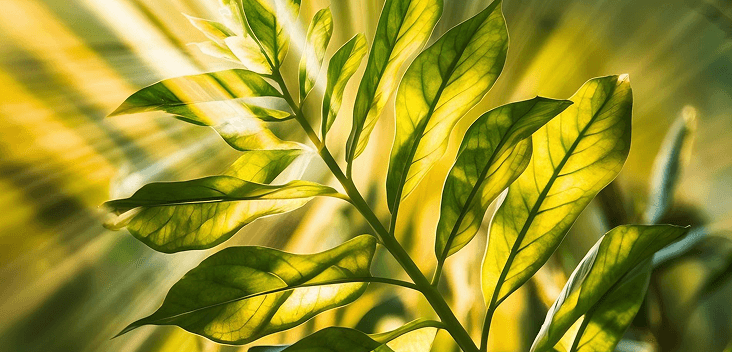
Leaves may develop tan or whitish dry areas on the sun-facing side after a sudden move into stronger sun.
The most exposed upper or western-facing leaves may look dry while shaded inner leaves remain normal.
New leaves can cup or curl during intense afternoon sun, especially near walls, pavement, or glass.
Sun-facing shoots may look duller than the shaded side when light and heat are excessive.
Move young container-grown plants into stronger sun gradually, or shift them away from reflected heat. Use light shade during the hottest afternoon period while new growth adjusts.
Low light is a poor match for this full-sun species. The signs are usually structural before they are dramatic.
Shoots may extend with wider spacing between leaves as growth reaches for brighter conditions.
The canopy may look open or one-sided, with branches leaning toward the brightest exposure.
Flowering may be sparse and berry production may be limited when direct sun is too brief.
New growth may stay smaller and weaker during spring and summer compared with growth in brighter sites.
Move it to an open outdoor position with full sun or at least strong partial sun. Avoid deep shade from buildings, fences, or dense overhead cover.
If full sun is not available, choose the brightest open spot with 4–6 hours of direct sun rather than deep shade. Prioritize morning and midday sun when afternoon heat reflects from walls or pavement.
Remove or reduce nearby obstructions that cast shade over the canopy during the growing season. Give young plants a gradual transition over 1–2 weeks before placing them in all-day sun.
A permanently shaded courtyard is unsuitable because it limits flowering and encourages thin, leaning growth.
Light Check
Not sure if your plant is getting enough light? Check its light needs inside the app
Scan your plant to receive care tips personalized for your specific plant
For rowan light requirements, aim for full sun: about 6–8 hours of bright outdoor light daily, with at least 6 hours of direct sun preferred.
Discover how to care for your plants with Botan.
7 min read · 24 Aug 2026
Learn how often to water indoor plants, key factors for proper watering, and how to adjust the care routine by plant type, season, pot size, light, and indoor conditions.
9 min read · 29 Sept 2026
Discover the 12 best plants for bathroom spaces. Each pick comes with its own advantages, plus light, humidity, watering, and placement tips. Take a look and match the plant to your specific bathroom.
8 min read · 14 Jul 2026
Rice water can be an ideal DIY solution for orchids, roses, or fruiting plants. It supports growth, leaf count, and height. We’ll share how to make and apply it correctly for your plant.