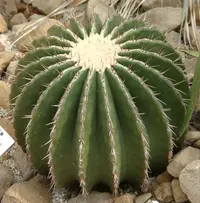
Cactus (Echinocactus platyacanthus) Watering Guide

This page explains when, how often, and how much to water Echinocactus platyacanthus in straightforward, practical terms.

Water Requirements

Low Water

Echinocactus platyacanthus Watering

This slow-growing barrel cactus comes from dry, seasonally rainy habitats, which shape its low moisture needs. Echinocactus platyacanthus prefers soil that dries between waterings rather than staying evenly moist. Indoors, watering Cactus usually means gentler, less frequent sessions than for leafy houseplants.

Outdoors in arid gardens, natural rainfall often sets the rhythm, while containers dry faster and need closer attention. Think of watering as occasional replenishment rather than steady supply, then adjust the amount and timing in detail later.

Water Echinocactus platyacanthus only when the potting mix is completely dry, checking the top 1–2 inches (3–5 cm). In warm, bright indoor conditions, this typically means every 3–5 weeks, with longer gaps in winter or cooler rooms. Outdoor summer heat can shorten the interval.

Water Echinocactus platyacanthus when the potting mix is completely dry, then hydrate the root zone in one controlled session.

  • Pour room-temperature water slowly onto the soil surface, circling the base without wetting the crown or spines directly.
  • Continue watering until moisture reaches the full root depth and a small amount begins to exit the drainage holes.
  • Let excess water drain freely for several minutes, then empty saucers or cachepots so the container never sits in standing water.
  • Use only top watering for this cactus, avoiding soaking from below to keep the crown and stem base reliably dry.

Incorrect watering can disrupt roots and tissues of Echinocactus platyacanthus, leading to health decline.

Shriveled Ribs:

Deeply sunken ribs and loose skin usually indicate prolonged underwatering or severely depleted soil moisture.

Yellowing Base:

Pale yellow tissue near the pot line often signals waterlogged soil and early root suffocation.

Soft Brown Spots:

Localized mushy, brown areas typically result from chronic excess moisture encouraging opportunistic rot organisms.

Blackened Root Zone:

Persistent soggy mix can cause dark, foul-smelling roots that lose firmness and structural integrity.

Maintain a fast-draining mix, water deeply but infrequently, and let the root zone dry thoroughly.

Unsuitable watering habits stress Echinocactus platyacanthus, weakening its natural drought tolerance and making it vulnerable to cold, pests, and rot.

  • Watering by calendar: Following a fixed schedule ignores soil dryness; instead, water only when the mix is fully dry several inches down.
  • Dense, moisture-holding soil: Using peat-heavy or garden soil keeps roots wet too long; choose a gritty cactus mix with plenty of mineral grit.
  • Letting saucers stay full: Leaving runoff in the saucer keeps the root zone saturated; always empty excess water a few minutes after watering.

Focus on fast-draining soil, deep but infrequent watering, and quick removal of excess moisture to keep this cactus stable.

  • Spring: As temperatures rise, water lightly after soil dries fully, watching for swelling growth pads but avoiding consistently damp conditions that invite rot.
  • Summer: In hottest, brightest periods, increase watering slightly, still letting the deep root zone dry thoroughly between drinks to prevent stress and cracking.
  • Fall: Gradually extend the dry interval between waterings as growth slows, preparing the cactus for a cooler, semi-dormant rest period.
  • Winter: In cool indoor or greenhouse conditions, keep nearly dry, giving only a very small drink if the body noticeably shrivels.

Track Watering. Catch Problems Early

Use Botan for a clear watering guide and simple care steps for Echinocactus platyacanthus, plus gentle photo-based checks that help flag potential issues before they spread.

Botan plant care app — identify plants on mobile

Interesting Watering Facts

Favors summer rainfall

In its native Mexican highlands, this species receives most of its moisture from summer thunderstorms, so it is adapted to a pattern of brief wet periods followed by long dry spells rather than evenly distributed rain year-round.

Massive water storage

Mature individuals can reach barrel-like sizes of 1–2 m across, and this bulk is largely specialized tissue for storing water, allowing the plant to survive multi‑month droughts typical of central Mexico’s semi‑desert plateaus.

Slow but drought‑resilient growth

This cactus is notably slow-growing, in part because it invests heavily in water‑storage tissue and a thick, waxy epidermis that reduces water loss, trading rapid growth for long‑term survival under scarce and irregular rainfall.

FAQ

In hot weather, increase frequency slightly but keep portions small. Let the soil dry fully between waterings. For Cactus outdoor watering, shield the pot from intense afternoon rain to prevent waterlogged, overheated roots.

More Plant Watering Guides

Is Your Watering Routine Hurting Your Cactus?

Use Botan to review watering habits and see if adjustments might be needed.

Watering a plant with a copper watering can
Top 15 Fast-Growing Trees For Your Garden

13 min read · 28 Jul 2026

Top 15 Fast-Growing Trees For Your Garden

Learn which of the 15 fastest-growing trees will suit your area. We’ll share detailed information on each: growth rate, mature spread, key tree demands, and main vulnerabilities. Read on and make the best choice possible.

Plant Recommendations
Top 15 Fast-Growing Trees For Your Garden
Best Time to Water Grass in Summer – Lawn Watering Tips

5 min read · 21 Jul 2026

Best Time to Water Grass in Summer – Lawn Watering Tips

Summer watering is easy to get wrong. This guide explains when to turn on your sprinkler, how much liquid your grass needs each week, and how to tell if you're overwatering or underwatering.

Plant Care
Best Time to Water Grass in Summer – Lawn Watering Tips
Best Time to Mow Lawn – A Complete Guide

5 min read · 10 Aug 2026

Best Time to Mow Lawn – A Complete Guide

Explore when to mow your lawn for its health and a pleasant green color. Find out the best time for this task during the summer heat, and follow practical tips for correctly cutting the grass, and learn common mistakes to avoid.

Plant Care
Best Time to Mow Lawn – A Complete Guide