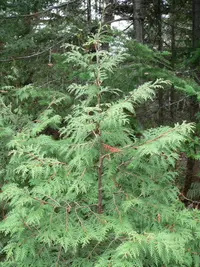
Shallow, Fibrous Roots
The compact root system is shallow and fibrous, so container and foundation plantings dry out faster than many larger conifers and are more vulnerable to drought stress if soil is not kept evenly moist.


This page explains when, how often, and how much to water Dwarf Alberta Spruce for steady, healthy growth.

Water Requirements
Moderate Water

Native to cool, relatively moist northern forests, this compact spruce is adapted to steady soil moisture without saturation. Picea glauca var. albertiana 'Conica' prefers slightly moist conditions that neither stay soggy nor swing to bone-dry extremes.
Watering Dwarf Alberta Spruce outdoors centers on matching natural, moderate moisture, while containers dry out faster and need closer attention. This section outlines how to water Dwarf Alberta Spruce in simple terms before moving into more detailed guidance later.
For Picea glauca var. albertiana 'Conica', water again when the top 1–2 inches (3–5 cm) of soil feel dry and slightly cool rather than damp. In containers this typically means watering about every 7–10 days in warm, bright conditions, with longer intervals in cool weather or shade.
Water Dwarf Alberta Spruce when the top 2 inches of soil feel dry, soaking the root zone evenly and steadily.
Incorrect soil moisture can trigger health problems for Picea glauca var. albertiana 'Conica'.
Outer needle tips turn brown from chronic drought stress and intermittently dry container or garden soil.
Older interior needles yellow and shed when roots suffer alternating cycles of drought and saturation.
Roots appear gray and mushy after prolonged waterlogging in heavy, poorly drained or compacted soil.
Topsoil hardens and repels water, leading to uneven moisture reaching the shallow root zone.
Maintain evenly moist, well-drained soil, avoiding both standing water and complete root-zone dryness.
Poor watering habits can slowly weaken Dwarf Alberta Spruce, Picea glauca var. albertiana 'Conica', reducing vigor, density, and cold tolerance.
Focus on well-drained soil, thorough but infrequent watering, and responsive moisture checks to match this spruce’s slow, shallow-rooted growth.

Is It Time to Water?
See whether your plant is ready for watering or needs more time to dry.
Use Botan for a clear watering guide and practical care steps for Dwarf Alberta Spruce, plus gentle photo-based issue checks to spot potential problems early.

The compact root system is shallow and fibrous, so container and foundation plantings dry out faster than many larger conifers and are more vulnerable to drought stress if soil is not kept evenly moist.
In cold climates this dwarf spruce often suffers winter browning from dry, frozen soil and drying winds, so late fall deep watering and slightly moist soil going into freeze-up help reduce moisture loss from the foliage.
Although derived from a cold-climate white spruce form, this cultivar handles summer heat and prolonged drought poorly and can decline if its roots repeatedly dry out, especially in reflected heat near walls, pavement, or south-facing exposures.
Morning is usually better. Soil surface dries faster, reducing fungal issues, and roots have moisture before daytime heat. Evening is acceptable in hot climates if foliage stays mostly dry and soil is not already wet.
Use Botan to quickly check if your plant’s watering routine is on track.
6 min read · 10 Jul 2026
Flowers can survive without water anywhere from 1-2 hours to several months, depending on the plant type, species, and growing conditions. Some strong-looking flowers are drought-sensitive, while delicate-looking plants may tolerate long dry periods surprisingly well.
6 min read · 13 Jul 2026
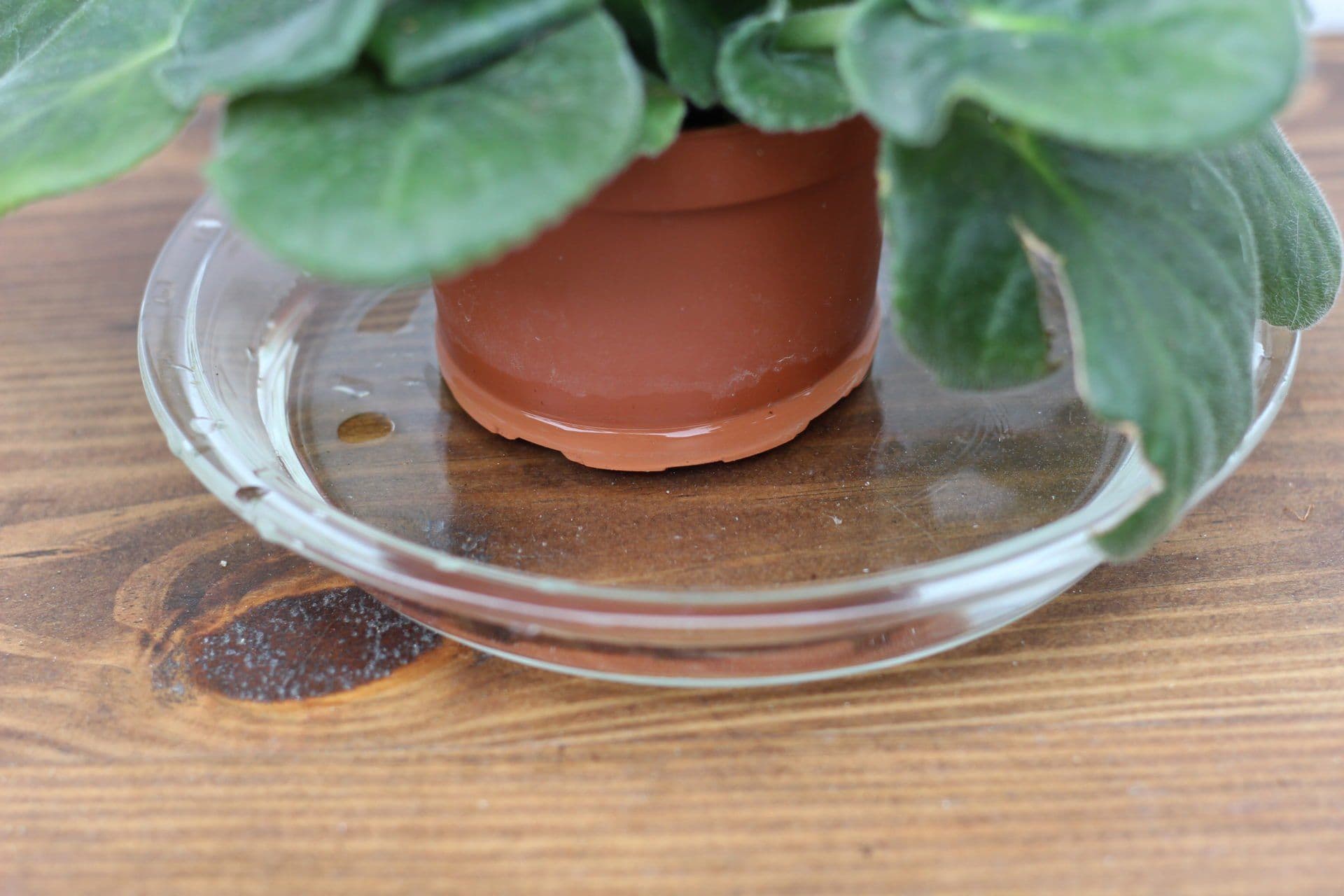
Bottom watering helps soil absorb moisture evenly and keeps foliage dry, reducing the risk of missed dry spots or root problems. Place the pot in a tray of water for a short time, then let it drain well.
11 min read · 20 Jul 2026
Here, you’ll find the right fertilizer formula for vegetables in your garden. Learn how to adjust feeding correctly throughout the growing cycle, spot nutrient deficiencies by their symptoms, and keep your plants healthy and prolific.