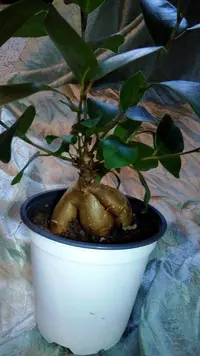




Ficus microcarpa 'Ginseng' Watering Guide

This page explains when, how often, and how much to water Ficus microcarpa 'Ginseng' in straightforward terms.

Water Requirements

Moderate Water

Ficus microcarpa 'Ginseng' Watering

Native to warm, seasonally moist regions, this bonsai-style tree experiences alternating rains and brief drier spells. Indoors, watering Ficus microcarpa 'Ginseng' means aiming for steady, gentle moisture rather than extremes of wet or dry.

The soil should slightly dry between waterings, but not fully for long periods. Indoor plants usually need more controlled moisture than outdoor specimens, so the basic approach is moderate, consistent hydration tailored to light and temperature.

Water when the top 1–2 inches (3–5 cm) of soil feel dry, rather than on a fixed schedule. Ficus microcarpa 'Ginseng' typically needs water every 7–14 days indoors, but bright light and warm temperatures shorten this interval, while lower light or cooler rooms extend it.

Water Ficus microcarpa 'Ginseng' when the top 1-2 inches (3-5 cm) of soil feel dry, using slow, even saturation.

  • Pour room‑temperature water onto the soil surface around the base, circling the pot for even distribution across the root zone.
  • Continue adding water slowly until it drains from the bottom holes, ensuring the entire soil column is evenly moistened.
  • Let the pot drain for several minutes, then empty any saucer or cachepot so roots do not sit in standing water.
  • Keep water directed at the soil only; avoid wetting the trunk and foliage to reduce excess surface moisture on the plant.

Incorrect moisture levels can trigger several problems for Ficus microcarpa 'Ginseng' bonsai indoors.

Yellowing Lower Leaves:

Older leaves fade to dull yellow and drop when soil stays wet for extended periods.

Mushy Roots:

Roots feel soft, dark, and foul-smelling after chronic waterlogging and poor container drainage.

Crisp Leaf Edges:

Leaf margins turn brown and brittle when soil dries completely between waterings too often.

Leaf Drop After Watering:

Dense root ball and quick, heavy soaking can suffocate roots, causing sudden canopy thinning.

Salt-Crusted Soil Surface:

White crust on soil signals mineral buildup from frequent light watering and hard tap water.

Maintain evenly moist, well-drained soil with thorough watering followed by partial drying before the next cycle.

Poor watering habits can stress Ficus microcarpa 'Ginseng', weakening its compact canopy and thick roots and making long-term care harder.

  • Watering By Calendar: Following a fixed schedule ignores changing light, temperature, and growth, so instead check the topsoil and water only when it feels dry.
  • Dense, Soggy Potting Mix: Heavy soil holds too much moisture around the roots; use a chunky, well‑draining mix with perlite or bark for faster drying.
  • Keeping Water In Saucer: Leaving runoff in the saucer keeps roots constantly wet; empty it after watering so the root zone can breathe.

The safest approach is responsive watering: inspect the soil, use a draining mix, and let excess moisture escape between waterings.

  • Spring: New growth begins, so let the top 1–2 inches of mix dry, then water thoroughly, watching for faster drying in bright spots.
  • Summer: In warm, bright rooms, soil may dry quickly; check moisture more often but avoid daily watering unless small pots or very porous mix.
  • Fall: Growth slows as light drops, so extend the drying period slightly and reduce how often you water, keeping soil lightly moist, not wet.
  • Winter: In cooler, low-light interiors, roots use less water; let more of the pot dry before watering while preventing complete, prolonged dryness.

Your Assistant for Proper Watering

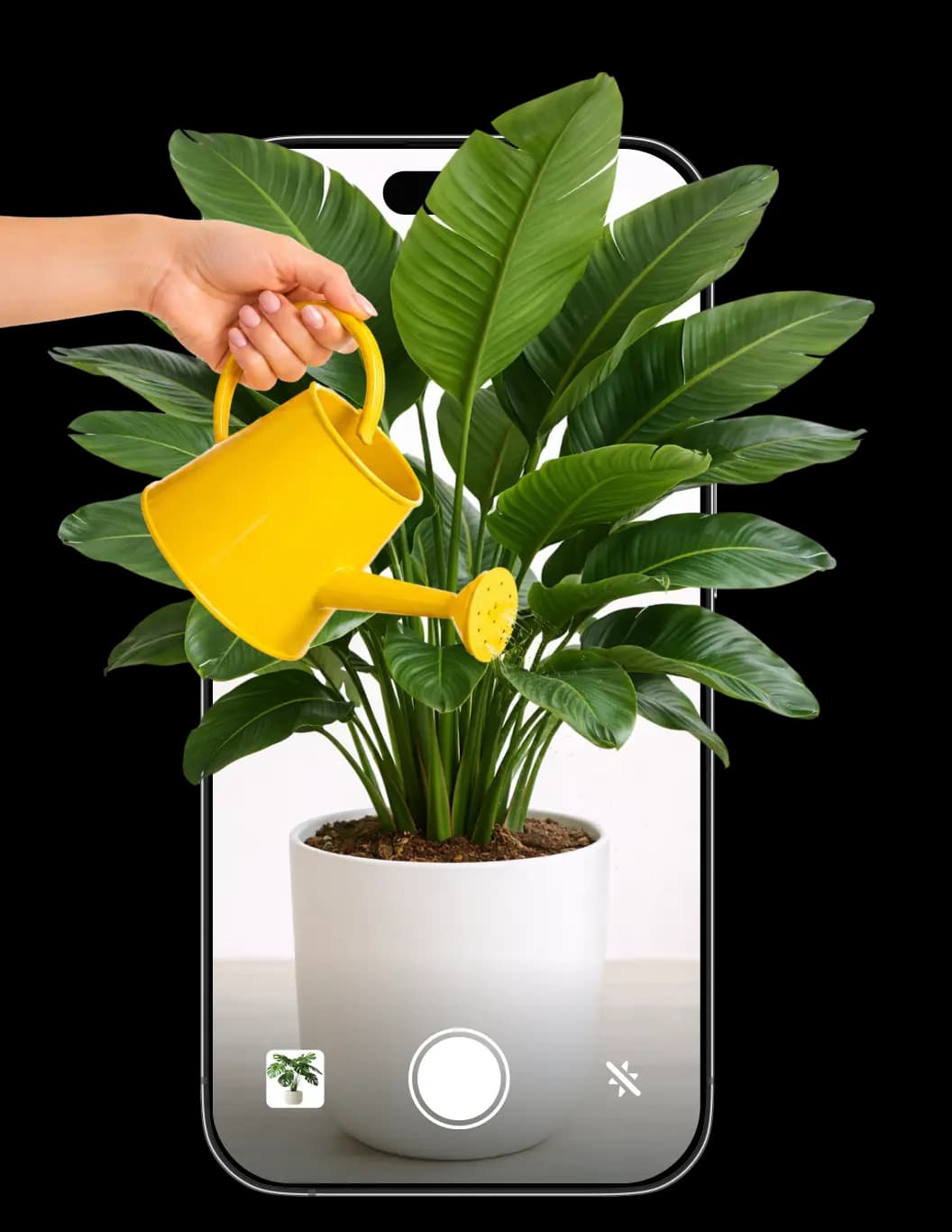
Use Botan for a clear watering guide and practical care steps for Ficus microcarpa 'Ginseng', plus gentle photo-based checks to spot early signs of stress or other issues.

Botan plant care app — identify plants on mobile

FAQ

Water when the top 1–2 inches (3–5 cm) of soil are dry, rather than on a fixed schedule. In bright indoor light this usually means every 7–10 days, less often in lower light or cooler rooms.

More Plant Watering Guides

Is Your Watering Routine Hurting Your Ficus microcarpa 'Ginseng'?

Botan quickly reviews your watering habits and suggests adjustments for healthier moisture levels.

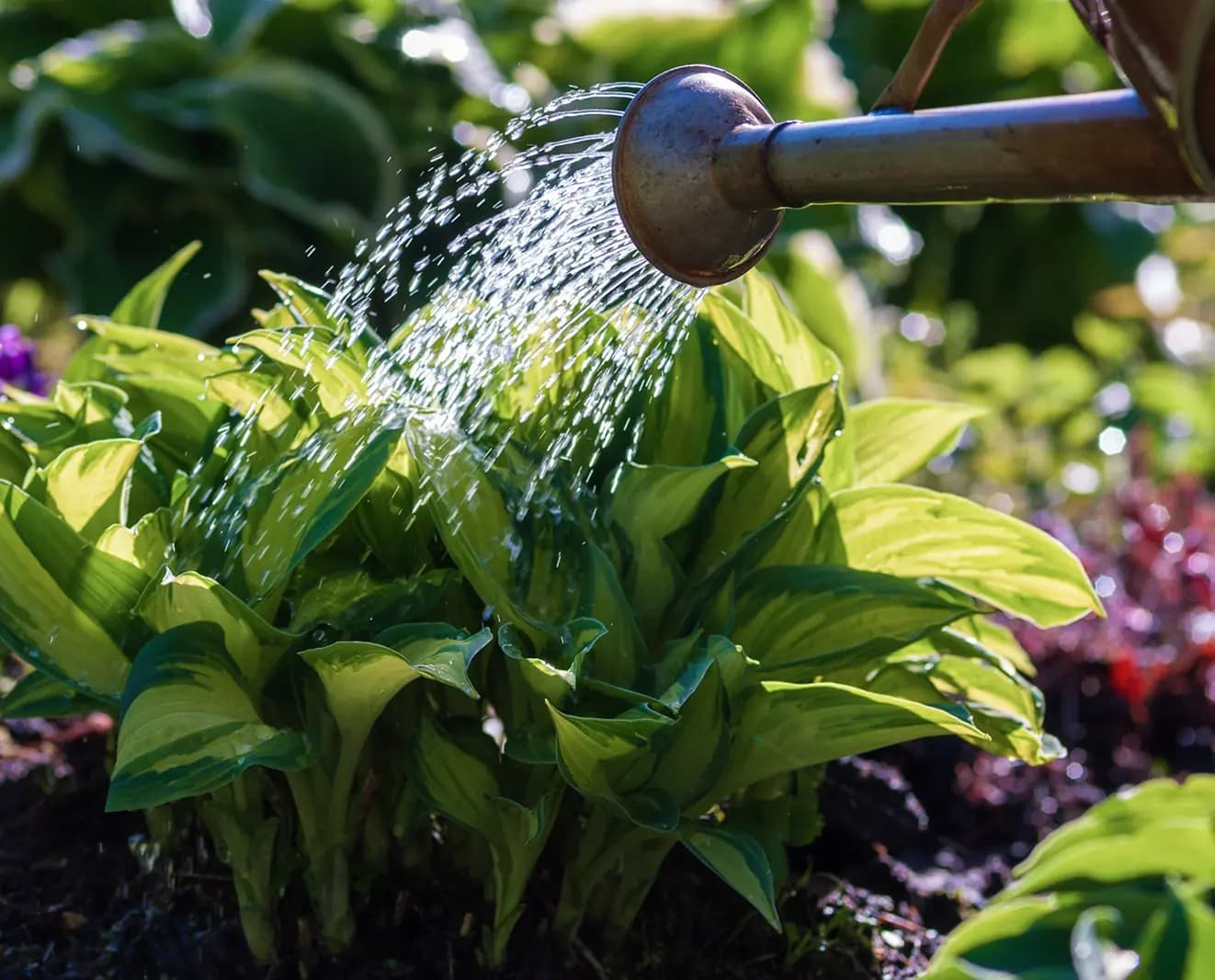
Watering a plant with a copper watering can
Best Fertilizer for Vegetable Gardens – What to Use for Each Plant

11 min read · 20 Jul 2026

Best Fertilizer for Vegetable Gardens – What to Use for Each Plant

Here, you’ll find the right fertilizer formula for vegetables in your garden. Learn how to adjust feeding correctly throughout the growing cycle, spot nutrient deficiencies by their symptoms, and keep your plants healthy and prolific.

Plant Recommendations
Best Fertilizer for Vegetable Gardens – What to Use for Each Plant
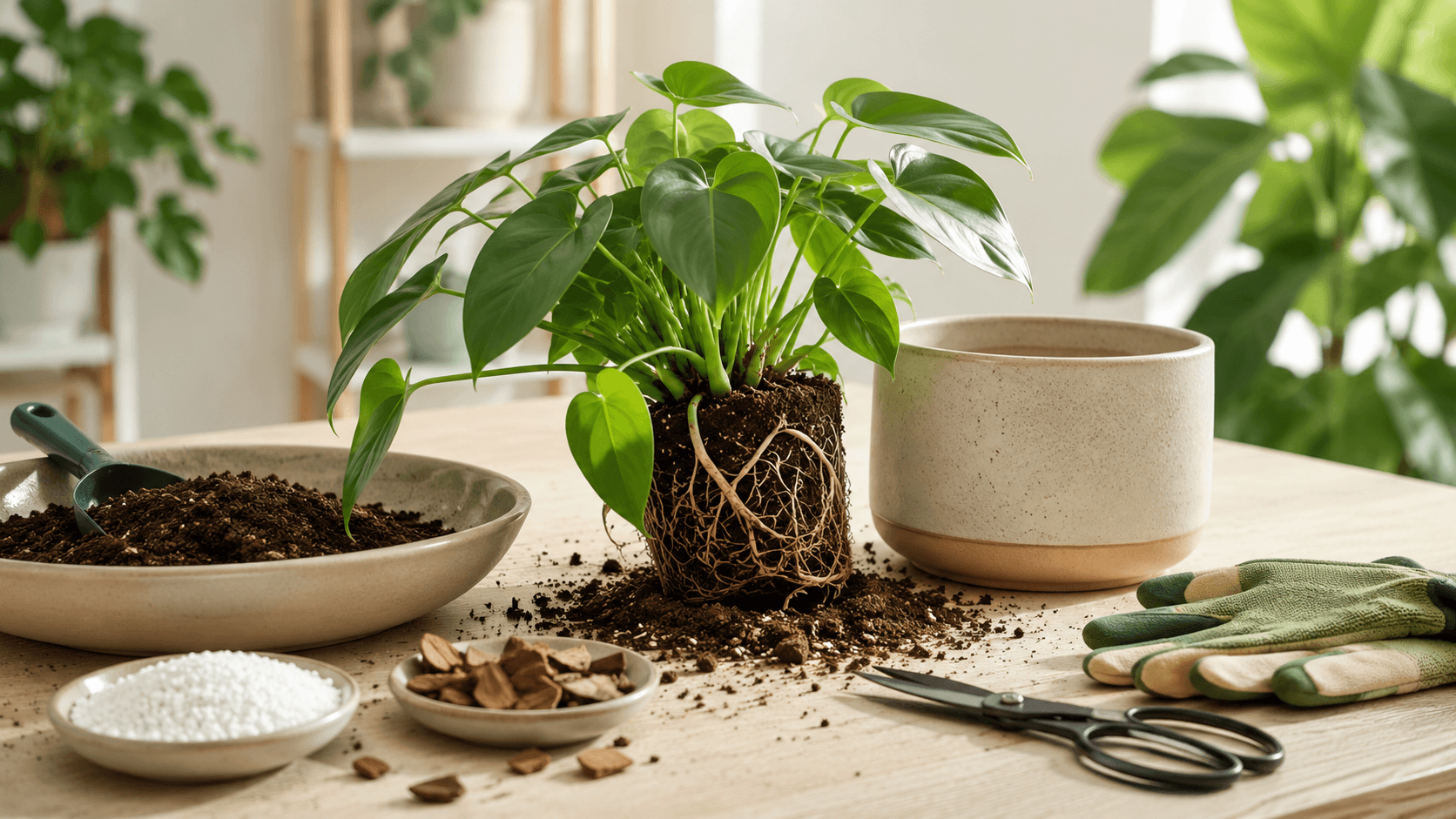
How to Repot a Plant: A Step-by-Step Guide

7 min read · 28 May 2026

How to Repot a Plant: A Step-by-Step Guide

In spring, many plants need repotting—an essential part of care. To avoid stress, consider the plant’s type and size. This article offers a step-by-step guide for repotting indoors or outdoors and shows how to check plant health and get care tips using the Botan app.

Plant Care
How to Repot a Plant: A Step-by-Step Guide
Dill Companion Plants – What to Grow Next to Dill

9 min read · 17 Jul 2026

Dill Companion Plants – What to Grow Next to Dill

Dill is an easy-to-grow plant that gets along well with many vegetables. This guide describes 15 plants that can be planted alongside it, a few to avoid, and mistakes that can quietly sabotage the entire process.

Plant Recommendations
Dill Companion Plants – What to Grow Next to Dill