





Best Soil for blue spruce (Picea pungens)

Picea pungens grows best in loose, well-drained soil with a slightly acidic to acidic reaction that supports steady root development.

Soil Texture

Sandy, Loamy, Rocky

Soil pH

Acidic (5.5–6.5), Slightly acidic (6.5–7.0)

Soil Drainage

Well-drained

Picea pungens Soil Guide

Native to the central and southern Rocky Mountains of the western United States, Picea pungens grows in cool mountain landscapes where soils are often sandy, loamy, or rocky and drain freely. Those conditions help explain why blue spruce soil should feel open and airy rather than dense or waterholding.

Its root system benefits from oxygen in the soil, so good drainage matters as much as steady moisture. The best soil for blue spruce holds some moisture between waterings but still lets excess water move through quickly. Slightly acidic to acidic conditions also suit its natural growth pattern.

A simple homemade mix can give Picea pungens the balance of drainage and root contact it needs in a container.

100% total mix = 20 scoops
10%
compost2 scoops
20%
perlite or pumice4 scoops
30%
coarse sand6 scoops
40%
pine bark fines8 scoops

The finished mix should feel gritty and airy, with enough structure to drain quickly while still settling lightly around the roots.

Root stress in this species often starts below the surface. Checking the root zone early can help rule out soil-related causes before they worsen.

Compacted soil:

Compacted soil: if the surface hardens and water seems slow to move through, gently loosen the top layer and reduce pressure on the root zone.

Stale wet root zone:

Stale wet root zone: if the mix stays cold and damp for long periods, improve air flow around the container and check whether drainage is being blocked.

Buried root flare:

Buried root flare: if the trunk base sits below the original soil line, uncover the flare so the crown area is not held too deep.

Salt buildup:

Salt buildup: white crust on the surface or pot rim can point to residue in blue spruce soil, so scrape off the top layer and flush with clean water if needed.

Get the Soil Right

Botan helps match this plant to a more suitable soil setup, so choosing texture and drainage feels clearer from the start.

FAQ

Yes. Drainage holes are important because they let excess water leave the container instead of collecting around the roots, which helps keep the root zone better aerated in blue spruce soil.

Everything About blue spruce

More Plant Soil Guides

Check What the Soil Is Doing

Botan can help assess whether the root zone may be contributing to visible decline. A photo check can help narrow down likely causes.

Botan app helping with soil and plant care
Is Sugar Water Good for Plants?

4 min read · 14 Sept 2026

Is Sugar Water Good for Plants?

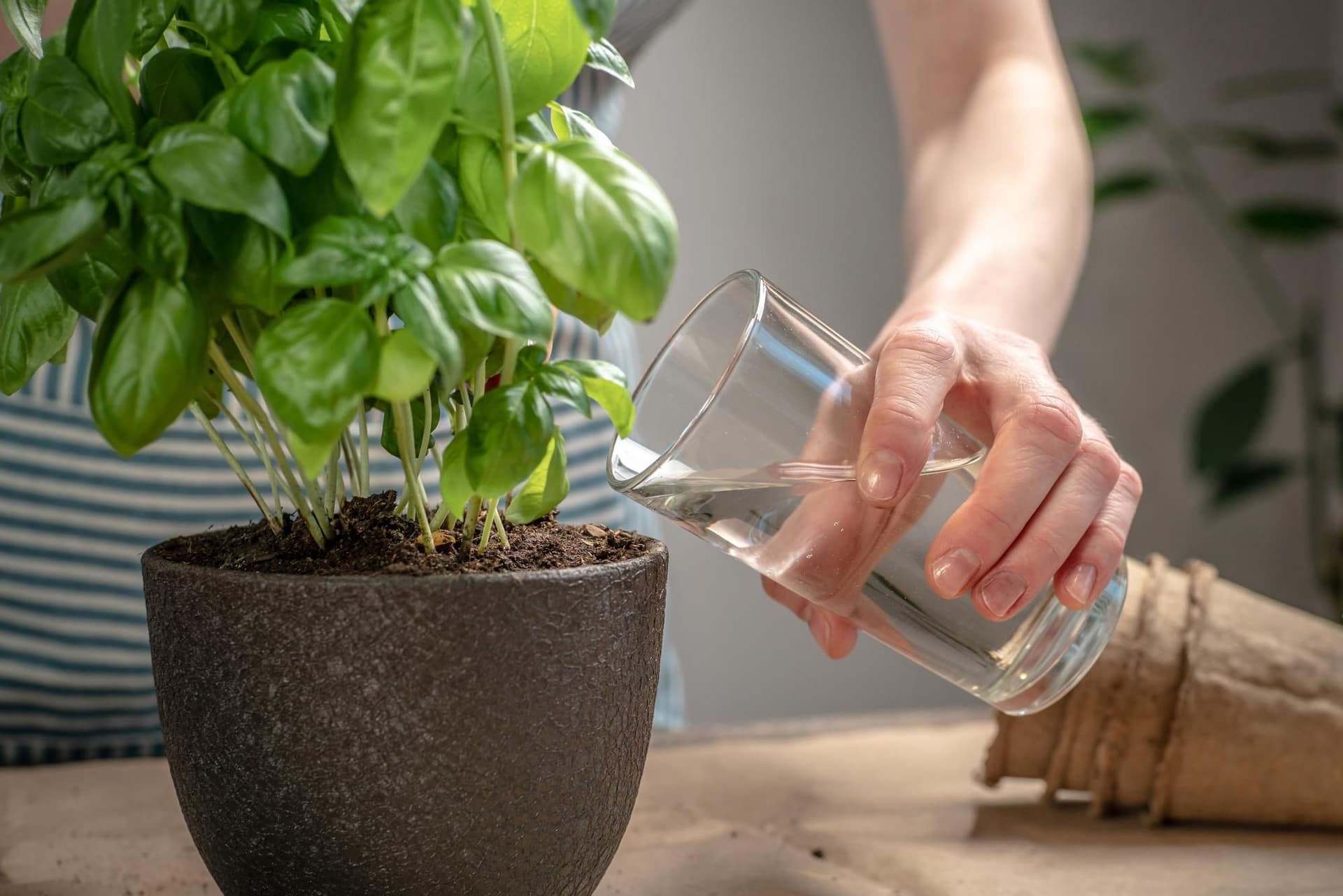
Sugar water may sound like an easy boost, but most rooted plants do not need extra sucrose. This guide explains how green tissues produce carbohydrates, when a sweetened solution can be useful, and why too much can cause problems.

Plant Care
Is Sugar Water Good for Plants?
12 Best Plants That Repel Spiders For Your Home and Garden

8 min read · 24 Jul 2026

12 Best Plants That Repel Spiders For Your Home and Garden

Spiders constantly appear in places you don't want them. A few common plants can help repel them using scent alone. Here are 12 options suitable for both indoors and outdoors, plus care tips for each.

Plant Recommendations
12 Best Plants That Repel Spiders For Your Home and Garden
When to Harvest Tomatillos: How to Tell When They're Ripe

4 min read · 20 Oct 2026

When to Harvest Tomatillos: How to Tell When They're Ripe

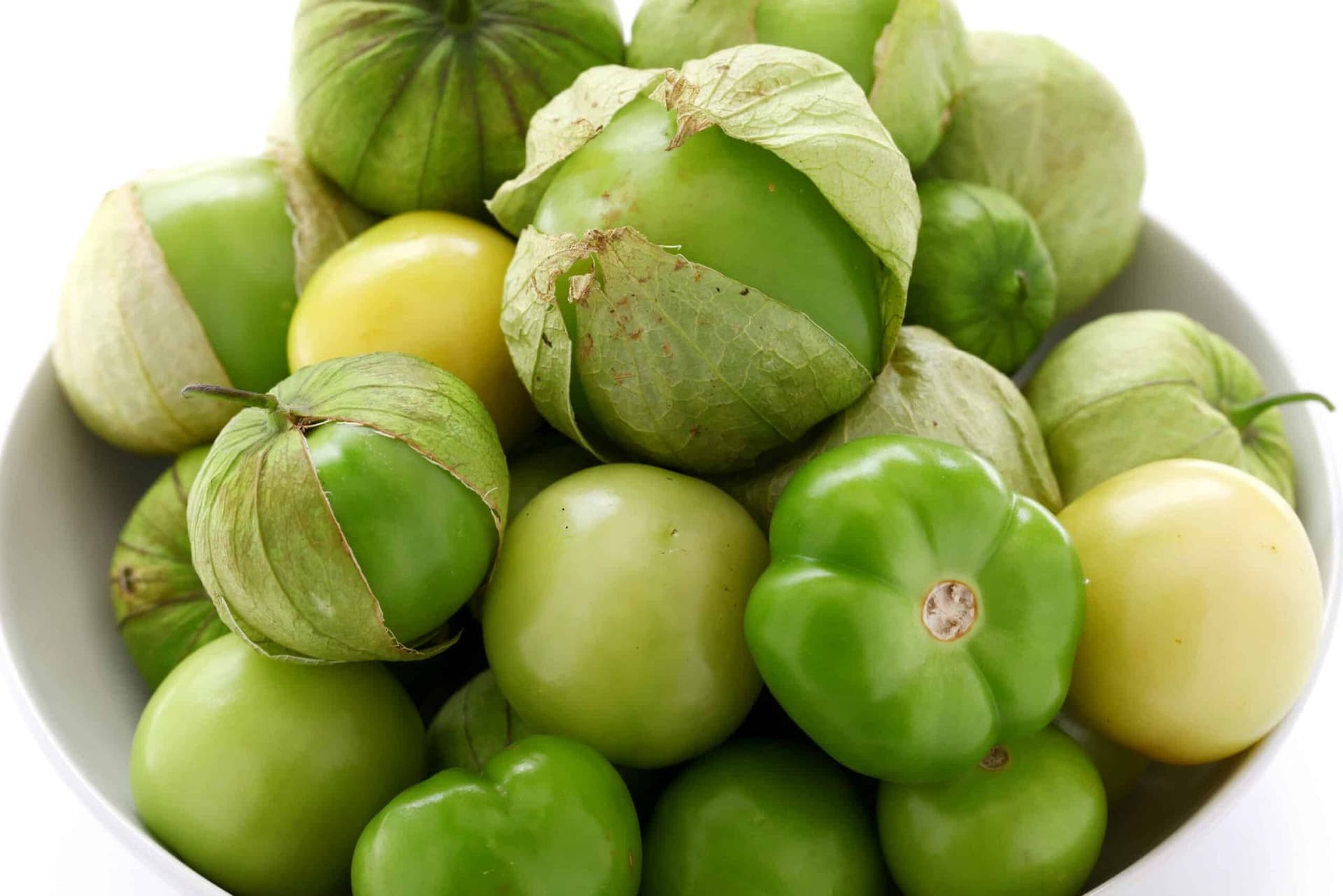
Tomatillos grow inside papery husks, making it hard to judge ripeness at a glance. This guide explains how to know when tomatillos are ripe and offers practical advice on harvesting and storage.

Plant Recommendations
When to Harvest Tomatillos: How to Tell When They're Ripe