




Best Soil for Norway spruce (Picea abies)

For Picea abies, the right soil texture, drainage, and pH support steady root growth and long-term plant health.

Soil Texture

Sandy, Loamy, Clay

Soil pH

Acidic (5.5–6.5), Slightly acidic (6.5–7.0)

Soil Drainage

Moist but well-drained

Picea abies Soil Guide

Native to northern and central Europe, Picea abies grows in cool forests and mountain areas where soil stays evenly moist but still drains well. That background explains why the best soil for Norway spruce holds steady moisture without becoming dense or waterlogged.

A loamy to sandy soil is usually the best fit, though it can also handle some clay if structure and drainage remain good. Fine, shallow roots benefit from air in the soil, so a slightly acidic to near-neutral Norway spruce soil with a balanced mix of moisture retention and pore space supports steady root function.

A custom mix can help Picea abies stay evenly rooted in containers without turning dense or soggy.

100% total mix = 20 scoops
15%
compost3 scoops
20%
perlite or pumice4 scoops
30%
loam-based potting soil6 scoops
35%
pine bark fines7 scoops

The finished blend should feel airy, slightly springy, and crumbly, with water moving through at a moderate, steady pace.

A slightly acidic to acidic range of about 5.5–6.8 suits Norway spruce best. In that range, essential nutrients such as iron, manganese, and phosphorus stay more available to the roots.

Picea abies can handle some small variation, but strongly alkaline soil may gradually limit nutrient uptake. A mildly acidic root zone supports steadier growth and healthier color over time.

Soil issues often develop gradually in conifers, so small changes are worth checking early. Norway spruce may struggle when root conditions stay stressed for long periods.

Compacted mix:

Dense soil can limit air around roots and slow growth, so gently loosen the surface and replace heavy material with a more open mix over time.

Staying wet too long:

If the root area remains soggy for days, roots may weaken, so check drainage and remove any material that is blocking water from moving through.

Dry pockets:

When the mix shrinks from the container edge or sheds water, rewet it slowly and evenly so moisture reaches the full root zone again.

Salt buildup:

A crust on the soil surface or pot rim can point to accumulated minerals, so flush with clean water occasionally and discard heavily affected top layers.

Better Soil Starts Here

Botan helps match this plant to a more suitable soil setup based on its growing conditions, container use, and visible overall health.

FAQ

Yes. A pot with enough depth supports a more stable root zone, steadier moisture, and better anchoring. Shallow containers dry faster and can restrict downward root development over time.

Everything About Norway spruce

More Plant Soil Guides

Could It Be the Soil?

Soil can be one factor behind decline, but not the only one. Botan’s photo-based assessment can help narrow down what to check next.

Botan app helping with soil and plant care
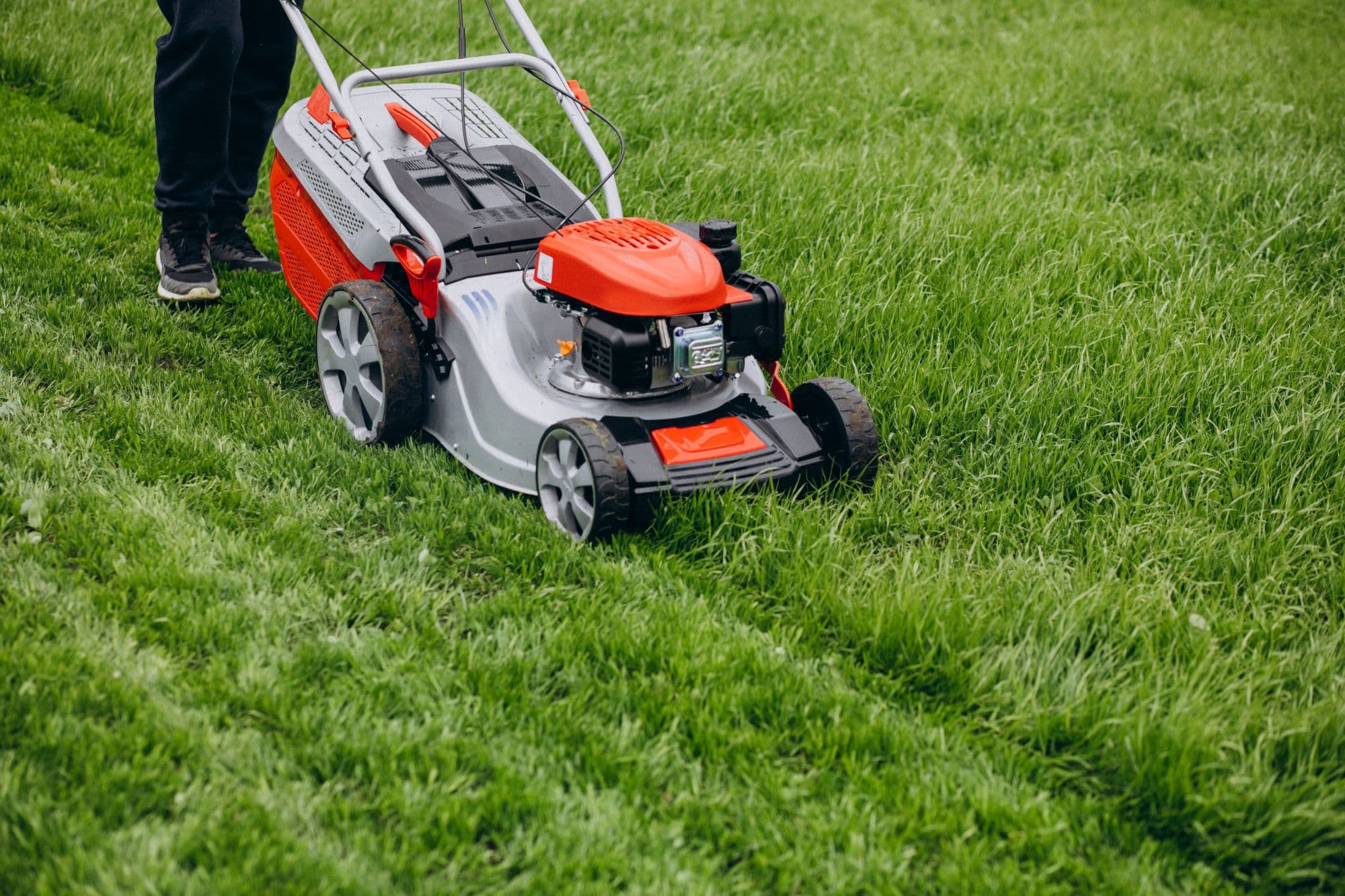
Best Time to Mow Lawn – A Complete Guide

5 min read · 10 Aug 2026

Best Time to Mow Lawn – A Complete Guide

Explore when to mow your lawn for its health and a pleasant green color. Find out the best time for this task during the summer heat, and follow practical tips for correctly cutting the grass, and learn common mistakes to avoid.

Plant Care

Best Time to Mow Lawn – A Complete Guide
Banana Peel Water for Plants: 5 Things to Know Before Trying It

5 min read · 9 Jul 2026

Banana Peel Water for Plants: 5 Things to Know Before Trying It

Banana water can provide potassium and some nutrients that may support plant growth, but it is not a universal fix. Use it carefully and only when the plant actually shows signs of nutrient deficiency rather than as a routine treatment.

Plant Care
Banana Peel Water for Plants: 5 Things to Know Before Trying It
How Long Can Flowers Go Without Water? Everything You Need to Know

6 min read · 10 Jul 2026

How Long Can Flowers Go Without Water? Everything You Need to Know

Flowers can survive without water anywhere from 1-2 hours to several months, depending on the plant type, species, and growing conditions. Some strong-looking flowers are drought-sensitive, while delicate-looking plants may tolerate long dry periods surprisingly well.

Plant Care
How Long Can Flowers Go Without Water? Everything You Need to Know