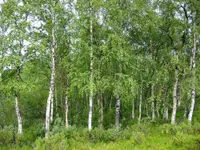
African mahogany Care (Afzelia africana)

Also known as: Afzelia
African mahogany

About African mahogany

African mahogany, Afzelia africana, is a large, slow-growing tropical tree valued for its durable hardwood and broad, rounded crown. In nature it develops a tall, straight trunk with a high canopy of glossy, pinnate leaves that cast deep shade.

This species occurs across West and Central Africa in savanna woodlands and semi-deciduous forests. It is generally resilient once established but needs warmth, ample space, and protection from frost, which makes it challenging as a long-term indoor or small-garden specimen.

Those who want to learn how to care for African mahogany should know it prefers bright light, moderate moisture, and well-drained, slightly fertile soil, with good airflow around the canopy.

Main Plant Requirements

Care Difficulty

Moderate Care

Light Preference

Full Sun

Water Requirements

Moderate Water

Temperature Preference

Tropical / Frost Sensitive

Hardiness Zone

11–13

Soil Texture

Sandy, Loamy, Clay

Soil pH

Slightly acidic (6.5–7.0), Neutral (7.0)

Soil Drainage

Well-drained

Fertilization

Minimal (feed rarely)

Get Personalized Care Plan

Scan your plant to receive care tips personalized for your specific plant

Available on iOS and Android

How to Care for the African mahogany

This tropical tree benefits from strong light but needs some protection from harsh conditions.

  • Provide 6–8 hours of full sun daily once established, with young trees best in full morning sun and light afternoon shade.
  • Tolerates light partial shade, but growth and canopy density decline if shaded for more than 40–50% of the day; thin surrounding vegetation if growth is sparse.
  • In hot, dry seasons, especially in regions where African mahogany is grown, protect from intense late-afternoon sun to limit leaf scorch and moisture stress.

This species prefers deep, infrequent watering that allows the soil surface to dry slightly between soakings.

  • In well-drained ground, water thoroughly when the top 3–5 cm of soil feel dry, aiming for a slow, deep soak that moistens the top 30–40 cm.
  • Reduce watering in cool or rainy seasons, allowing the soil to approach dry at the surface; increase frequency during hot, dry spells if leaves begin to lose sheen or droop slightly.
  • Avoid standing water and compacted clay; yellowing leaves, soft new growth, or sour-smelling soil indicate overwatering, while crisp leaf edges and early leaf drop suggest underwatering in Afzelia africana.

This tree thrives in consistently warm, frost-free climates with only modest temperature swings.

  • Optimal growth occurs around 75–90°F (24–32°C), typical of lowland tropical and warm subtropical regions.
  • Mature trees tolerate brief drops near 50°F (10°C) but young plants are damaged near 45°F (7°C); any light frost can injure foliage and shoots.
  • Handles dry heat up to about 100°F (38°C) if soil moisture is stable, but prolonged extremes above this or repeated cool spells below 55°F (13°C) slow growth and stress the plant.

Humidity is not a major factor for Afzelia africana, which adapts well to typical outdoor ranges.

  • Performs reliably in 30–60% humidity without special measures.
  • Tolerates brief drier air but prolonged hot, very dry winds can scorch new foliage.
  • Wilting tips and leaf edge browning during hot spells signal moisture stress, which is better relieved by soil watering than misting.

Afzelia africana prefers deep, well‑structured mineral soil that drains freely but does not dry out rapidly.

  • Use a loamy or sandy‑loam soil enriched with 20–30% well‑decomposed compost to improve structure and nutrient holding.
  • Ensure drainage is fast enough that water does not pool longer than 1–2 hours after irrigation, especially on heavier clay sites.
  • Aim for slightly acidic to neutral pH around 6.0–7.5, avoiding strongly acidic or saline conditions that restrict root growth.
  • On compacted or clay ground, incorporate coarse sand or fine horticultural grit through the top 30–40 cm to increase aeration and root penetration.

This species is only suitable for containers when grown as a temporary seedling or small juvenile tree.

  • Choose a deep, heavy container to resist tipping as the woody stem thickens and the canopy gains weight.
  • Select a potting mix that stays slightly moist yet free‑draining, such as 60% sandy loam with 40% coarse material like grit or bark fines.
  • Elevate the container on feet or blocks so water can exit freely from drainage holes and roots do not sit in trapped runoff.

Afzelia africana is a slow-growing tree that benefits from light, targeted feeding in cultivation, especially in poor soils.

  • Use a balanced slow-release fertilizer (for example, 10-10-10) or well-rotted compost at the start of the growing season.
  • Feed young or container-grown plants every 8–12 weeks during active growth, keeping doses modest.
  • Apply fertilizer at half the label strength for trees, scattered over the root zone, then water in thoroughly.
  • Stop feeding in late fall and avoid fertilization in winter dormancy to prevent weak, cold-sensitive growth.

Afzelia africana responds well to light structural pruning aimed at maintaining a strong, healthy canopy.

  • Carry out main pruning at the end of the dry season or late winter before new growth starts.
  • Remove dead, diseased, crossing, or storm-damaged branches with clean, sharp loppers or a pruning saw.
  • Thin crowded inner branches slightly to improve light penetration and airflow, encouraging balanced crown development.
  • Limit cuts on major limbs; focus on gradual shaping over time to reduce stress and decay risk.

Afzelia africana is usually field-grown, so management focuses on careful transplanting of young trees rather than frequent repotting.

  • Transplant when roots start circling the container, growth slows, or the tree becomes unstable in its pot.
  • Time major moves for the cooler part of the growing season or early rainy season to support rapid root recovery.
  • Lift with an intact root ball, keep roots shaded and moist, and replant at the same depth in well-drained soil.
  • Water deeply after transplanting, mulch 5–8 cm around (not against) the trunk, and reduce canopy slightly to limit stress.

Propagation of Afzelia africana is mainly done from seed and is moderately slow but reliable with proper preparation.

  • Collect fully mature pods, extract seeds, and sow during warm conditions in late spring or early summer.
  • Scarify hard seed coats gently with sandpaper or brief hot-water soaking to speed and even out germination.
  • Use a free-draining, sterile mix, keep temperatures around 75–85°F, and maintain steady, light moisture.
  • Provide bright, indirect light for seedlings and transplant into larger containers once roots hold the potting mix firmly.

Afzelia africana is a tropical to subtropical tree and needs protection in regions with cool or frosty winters.

  • Avoid planting outdoors where temperatures fall below about 30°F; use containers in marginal climates.
  • Mulch 5–8 cm over the root zone in fall to buffer temperature swings and conserve soil moisture.
  • Move container plants indoors or into a heated greenhouse before the first frost, providing bright light and reduced watering.
  • In very mild winters outdoors, shield young trunks with breathable wrap to reduce cold and wind damage.

Care Tips

Root space planning

Allow ample lateral root room by planting away from buildings, paving, and other trees, since this species develops a wide structural root system that needs space for long-term stability.

Early form training

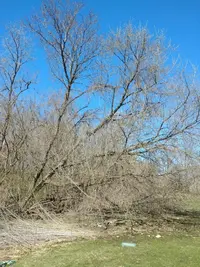
In the first 3–5 years, select a single strong central leader and remove competing upright shoots during the dry season to develop a straight, storm-resistant trunk.

Windbreak protection

Install temporary windbreak netting or plant in a naturally sheltered spot during the establishment phase to reduce wind rock that can loosen new roots and slow establishment.

Mulch management

Maintain a 5–8 cm organic mulch ring out to the drip line but keep it 5–10 cm away from the trunk to protect feeder roots, conserve moisture, and prevent collar rot.

Health monitoring routine

Set a seasonal schedule to inspect for bark damage, borers, and leaf-chewing insects so that problems are detected early and treated promptly as part of systematic caring for African mahogany.

Common Pests and Diseases

Termite attack

This pest frequently colonizes the trunk and larger branches, hollowing the wood and weakening trees, especially in drier areas or stressed stands. Symptoms include soil-covered galleries on bark, frass, and brittle, damaged wood.

Solution

Reduce stress on trees by avoiding bark wounds and maintaining good site drainage, then remove and burn heavily infested dead wood or stumps near standing trees. Where regulations allow, apply a targeted soil termiticide or bait system around but not directly on the trunk, and regularly inspect for new galleries so infestations are caught early when caring for African mahogany.

Wood-boring beetles

These insects tunnel into the heartwood and sapwood, leaving small round exit holes and piles of fine bore dust at the base or on branches. Damage can cause branch dieback and reduce timber quality in older trees or logs left on site.

Solution

Promptly remove and destroy badly infested branches or weakened trees to break the life cycle, and avoid leaving cut logs or stacked timber on the ground near living trees. For high-value trees, schedule dry-season inspections, debark or season felled wood quickly, and, where allowed, use targeted trunk or timber treatments to protect harvested material.

Leaf spot

This disease produces scattered brown to dark-purple spots on leaves that may merge into larger dead areas, sometimes leading to premature leaf drop in young trees or nursery stock. Symptoms include a speckled canopy and thinning foliage during wet, humid periods.

Solution

Collect and destroy fallen leaves, prune out heavily infected twigs, and avoid overhead irrigation to keep foliage dry. Improve spacing and airflow around plants, and, in nurseries or plantations with repeated outbreaks, use a registered copper-based or broad-spectrum fungicide according to label directions.

Powdery mildew

This disease causes a white or gray powdery coating on young leaves and shoots, which can curl or distort and show reduced growth. Symptoms include a dull, dusty appearance on foliage, often starting on shaded or crowded parts of the canopy.

Solution

Improve light penetration and airflow by selective pruning and adequate spacing, and avoid excessive nitrogen fertilization that encourages soft, susceptible growth. Remove and dispose of heavily infected leaves, and when needed in nursery or ornamental settings, apply a suitable systemic or sulfur-based fungicide at the first signs of infection.

Interesting Facts

Hardwearing timber source

This species produces a very dense, stable hardwood valued in West and Central Africa for heavy construction, flooring, and high‑stress applications because it resists wear and has good dimensional stability when properly dried.

Caesalpinioid legume tree

Afzelia africana belongs to the legume family subgroup known as caesalpinioids, which typically form large trees in tropical forests and woodlands and often show compound leaves and showy, insect‑pollinated flowers.

Savanna woodland specialist

The species naturally occurs in African savanna and dry woodland mosaics, where it tolerates seasonal drought and contributes significant shade and organic matter that support understory plants and soil organisms.

Botan icon

Did you know?

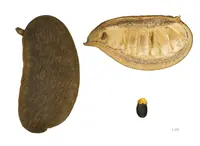
The large, glossy black seeds of this species are encased in bright orange arils that attract dispersers and are widely used as decorative beads in traditional jewelry across parts of West Africa, giving the tree notable cultural and artisanal importance.

FAQs about African mahogany

Growth is moderately fast in warm, moist climates, especially during the first 10–15 years. Young trees may add 60–120 cm per year under good conditions, then gradually slow as the canopy closes and resources become limiting.

Grow Healthy Plants with Botan Care

Keep your plants happy and healthy with plant identification, disease detection, and easy care guidance.

Botan plant care app — identify plants on mobile

Explore More Plants