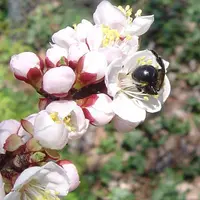
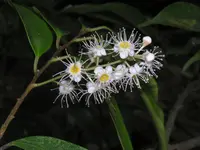
Siberian Apricot Care (Prunus sibirica)

Also known as: Сибирь Гүйлс
Siberian Apricot

About Siberian Apricot

Siberian apricot, Prunus sibirica, is a hardy deciduous fruit tree valued for its cold tolerance and early spring blossoms. It typically forms a medium shrub or small tree with spreading branches and simple, oval leaves.

This species is native to Siberia, Mongolia, and northern China, where it grows in harsh continental climates with cold winters and dry conditions. Its strong cold hardiness makes it interesting for breeders and gardeners in cooler regions, but fruit quality can be variable.

The plant prefers sunny, open sites and well-drained, moderately fertile soil. Understanding how to care for Siberian Apricot starts with providing good light, avoiding waterlogged ground, and allowing enough space for its branching habit.

Main Plant Requirements

Care Difficulty

Moderate Care

Light Preference

Full Sun

Water Requirements

Moderate Water

Temperature Preference

Cold Hardy

Hardiness Zone

2–6

Soil Texture

Sandy, Loamy, Clay

Soil pH

Slightly acidic (6.5–7.0), Neutral (7.0)

Soil Drainage

Well-drained

Fertilization

Minimal (feed rarely)

Get Personalized Care Plan

Scan your plant to receive care tips personalized for your specific plant

Available on iOS and Android

How to Care for the Siberian Apricot

This cold-hardy fruit tree needs abundant direct light to flower and fruit well.

  • Provide 6–8 hours of direct sun daily; full sun is best, especially in cooler climates where heat accumulation is lower.
  • Tolerates light partial shade, but Siberian Apricot in less than 4–5 hours of sun often shows reduced flowering, weaker growth, and thinner canopies.
  • In hot inland areas, favor morning sun with slight afternoon shade to reduce leaf scorch, and avoid reflected heat from walls or paving.

This species prefers evenly moist but well-drained soil and is sensitive to prolonged saturation.

  • Allow the top 3–5 cm of soil to dry between waterings; soil should feel slightly moist below the surface but never soggy.
  • During the first 2–3 years, water deeply when new growth wilts slightly or leaves lose gloss, then stop when water begins to pool or run off.
  • In mature Prunus sibirica trees, reduce watering in fall, avoid winter waterlogging, and watch for yellowing leaves or dieback as signs of overwatering.

This hardy tree is adapted to cold climates but still benefits from moderate growing-season temperatures.

  • Active growth is best around 60–75°F (16–24°C); flowers and young shoots develop well in this range without heat stress.
  • Dormant wood can tolerate roughly -40°F (-40°C), but open blossoms are often damaged by late spring frosts below 28°F (-2°C).
  • In very hot spells above 90°F (32°C), growth may slow and leaves may scorch, so combine adequate soil moisture with some afternoon shade where summers are intense.

This cold-hardy species tolerates a wide humidity range and rarely needs special humidity management outdoors.

Prunus sibirica performs best in well-structured mineral soils that drain freely yet retain moderate moisture.

  • Use a loamy or sandy-loam soil with 10–20% organic matter from compost or well-rotted manure to support root development.
  • Ensure rapid drainage; avoid heavy clay or compacted sites where water stands for more than a few hours after rain.
  • Target slightly acidic to neutral pH around 6.0–7.5, amending very acidic or alkaline soils with lime or sulfur as needed.
  • Improve aeration and drainage on marginal soils by incorporating coarse sand or fine gravel through the top 30–40 cm before planting.

This species can be grown in containers for a limited time, mainly as a young or dwarf specimen outdoors.

  • Choose a deep, heavy container to anchor the developing woody root system and reduce tipping in strong winds.
  • Use a coarse, fast-draining mix such as 50% loam with 25% coarse sand and 25% composted bark to prevent waterlogging.
  • Position the pot where rainfall can flush salts but excess water can drain freely away from the base to protect roots.

This cold-hardy fruit tree benefits from light, targeted feeding rather than heavy fertilization.

  • Apply a balanced granular or slow-release fertilizer (around 10-10-10) once in early spring as new growth starts.
  • Use a modest rate, at roughly half the label recommendation for fruit trees, to avoid excessive vegetative growth.
  • Supplement with a thin layer of compost over the root zone in spring to support soil health.
  • Do not feed Prunus sibirica in late summer or winter, as this can stimulate tender growth prone to frost damage.

Thoughtful pruning keeps Prunus sibirica productive, healthy, and safely sized.

  • Prune in late winter to very early spring, before bud break, in dry weather to reduce disease risk.
  • Remove dead, diseased, or storm-damaged wood first, cutting back to healthy tissue with clean bypass pruners or a sharp saw.
  • Thin crossing, rubbing, or crowded branches to open the canopy, improving light penetration and air flow.
  • Shorten overly long shoots to maintain structure and height, encouraging strong scaffold branches and balanced fruiting wood.

This species is usually field-grown, so focus on correct transplanting rather than frequent repotting.

  • Transplant container-grown young trees in early spring or late fall, while dormant and soil is workable.
  • Look for roots circling the pot or poor vigor as signs a nursery plant is ready for a larger planting space.
  • Gently loosen or slice circling roots, then set the tree at the same soil level in a wide, well-drained planting hole.
  • Water deeply after planting, apply 5–8 cm of mulch over the root zone, and keep soil evenly moist to reduce transplant stress.

Propagation of Prunus sibirica is most reliable from seed, with some use of grafting for selected forms.

  • Collect ripe fruits, remove the pits, and stratify seeds in moist medium at 34–41°F for 2–3 months to break dormancy.
  • Sow stratified seeds in deep trays or outdoor seed beds in early spring, keeping the substrate evenly moist and well drained.
  • Use semi-hardwood cuttings in midsummer only in controlled conditions; success rates are modest compared with seed.
  • For named cultivars, graft desired scions onto compatible rootstocks in late winter using whip-and-tongue or similar grafting methods.

This tree is naturally very cold hardy and usually needs minimal winter attention in the ground.

  • Tolerates low winter temperatures typical of continental climates when fully dormant and well established.
  • Apply 5–8 cm of organic mulch around the root zone in late fall, keeping it a few cm away from the trunk to limit rot.
  • On young or container plants, wrap the trunk with tree guards or breathable material to reduce sunscald and rodent damage.
  • Move container-grown specimens to a sheltered, unheated but frost-free or slightly protected spot, ensuring soil does not stay waterlogged.

Care Tips

Windbreak planning

Site young trees near a fence or establish a windbreak hedge on the prevailing wind side to reduce flower and branch damage from strong winter and spring winds.


Frost-bloom protection

During late frosts, throw a breathable fabric row cover or old sheet over the canopy at dusk and remove it in the morning to reduce flower loss and improve fruit set.

Rootstock selection

When possible, choose grafted plants on hardy, disease-resistant rootstocks recommended for your region, as this improves long-term health and anchorage in cold climates.

Rodent and rabbit guards

Install rigid plastic or hardware-cloth trunk guards 5–10 cm away from the bark and bury them a few centimeters into the soil to prevent girdling from rabbits and voles in winter.

Targeted fruit thinning

After natural fruit drop, remove excess small fruits so that clusters are spaced 7–10 cm apart to improve final fruit size, reduce branch breakage, and support balanced growth when growing Siberian Apricot.

Common Pests and Diseases

Brown rot

This disease commonly affects flowers and fruit, causing blossom blight, fruit rot, and twig dieback on Siberian apricot in cool, wet conditions.

Solution

Prune out and destroy all mummified fruit and blighted twigs, thin the canopy to improve airflow, avoid overhead watering during bloom, and apply a labeled fungicide at bloom and pre-harvest in regions where brown rot is a recurring problem.

Shot hole disease

This disease causes small purple to brown spots on leaves that dry out and fall away, leaving characteristic round holes, and can also spot fruit and young shoots.

Solution

Collect and dispose of fallen leaves, prune to open the canopy and reduce leaf wetness, avoid excessive nitrogen fertilization, and in areas with frequent spring rain consider preventive copper or other labeled fungicide sprays at bud break and after flowering as part of broader Prunus sibirica care instructions.

Bacterial canker

This disease leads to sunken, gummy cankers on branches and trunk, dieback of twigs, and sometimes sudden death of blossoms and spurs, especially after winter stress.

Solution

Prune out affected branches during dry weather back to healthy wood, disinfect pruning tools between cuts, avoid heavy pruning in late fall, reduce stress by proper watering and balanced fertilization, and remove severely affected trees to limit spread in small plantings.

Aphids

These insects cluster on young shoots and leaf undersides, sucking sap and causing curled, sticky leaves that may attract sooty mold growth.

Solution

Spray infested shoots with a strong stream of water, encourage natural predators such as lady beetles, and if needed use insecticidal soap or horticultural oil, ensuring thorough coverage of shoot tips and leaf undersides during mild temperatures.

Spider mites

These pests feed on foliage during hot, dry weather, causing fine stippling, dull foliage, and in heavier infestations light webbing between leaves and twigs.

Solution

Increase humidity around the tree where possible, spray foliage with water to knock mites off, and if populations remain high apply horticultural oil or a labeled miticide, directing sprays carefully to the undersides of leaves and inner canopy for best contact.

Interesting Facts

Extreme cold adaptation

This wild apricot survives winter temperatures below −40°F in parts of Siberia and Mongolia, thanks to deep dormancy and highly frost-resistant flower buds. Its hardiness has made it an important parent in breeding programs aimed at improving cold tolerance in cultivated apricots.

Variable, often bitter kernels

The seeds of this species can range from sweet to very bitter due to differing levels of amygdalin, a cyanogenic compound that can release toxic hydrogen cyanide when crushed and metabolized. Because of this variability, kernels are used cautiously and usually only from locally known sweet forms.

Drought‑tolerant steppe species

This apricot naturally grows on dry, stony slopes and steppe habitats in northern China, Mongolia, and Siberia, where soils are often poor and moisture is limited. Its deep root system and modest growth rate allow it to persist where many fruit trees cannot, which is important for Prunus sibirica plant care in marginal climates.

Botan icon

Did you know?

In parts of northern China and Mongolia, large natural stands of this species stabilize eroding hillsides and provide early spring flowers for wild pollinators, so it is used in ecological restoration and shelterbelt plantings rather than mainly as a commercial fruit tree.

FAQs about Siberian Apricot

Yes, this species adapts well to large, deep containers with good drainage. Use a sturdy pot, prune to manage size, and monitor moisture more closely than in-ground plants, since roots dry and freeze faster in exposed containers.

Grow Healthy Plants with Botan Care

Keep your plants happy and healthy with plant identification, disease detection, and easy care guidance.

Botan plant care app — identify plants on mobile

Explore More Plants