Early staking strategy
Install a sturdy stake or cage when plants are 10–15 cm tall so roots are not disturbed later, and loosely tie stems with soft ties as they thicken to keep heavy fruit off the ground.

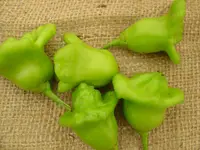
Locoto, Capsicum baccatum, is a chili pepper species grown mainly for its thick-walled, aromatic, medium-hot fruits. It is a short-lived perennial often cultivated as an annual.
Plants form bushy, upright shrubs with white to cream flowers and decorative, pendulous peppers that ripen from green to yellow, orange, or red. It originates from the Andes region of South America and is widely grown in home gardens.
This species is relatively vigorous and forgiving, but needs warmth and a long growing season to fruit well. It prefers full sun, evenly moist but well-drained soil, and benefits from basic knowledge of how to care for locoto.

Care Difficulty
Moderate Care

Light Preference
Full Sun

Water Requirements
Moderate Water

Temperature Preference
Tropical / Frost Sensitive

Hardiness Zone
10–11

Soil Texture
Sandy, Loamy, Organic-rich

Soil pH
Acidic (5.5–6.5), Slightly acidic (6.5–7.0)

Soil Drainage
Moist but well-drained

Fertilization
Moderate (every 2–4 weeks)
Scan your plant to receive care tips personalized for your specific plant
Available on iOS and Android
Capsicum baccatum performs best with strong, direct light for reliable flowering and fruiting.
This species prefers evenly moist, well-drained soil rather than constant wetness.
Stable warmth is essential for good growth, flowering, and fruit set.
Capsicum baccatum prefers moderate humidity but adapts to typical indoor and outdoor levels.
Capsicum baccatum grows best in loose, well‑aerated, moisture-retentive but free-draining soil.
This species is well suited to container growing when the pot supports its deep root system and top-heavy growth.
Capsicum baccatum responds well to steady nutrition during the warm growing season.
Thoughtful pruning helps Capsicum baccatum stay compact, productive, and easier to manage.
Capsicum baccatum benefits from timely transplanting or repotting to maintain active, healthy growth.
New Capsicum baccatum plants are most commonly produced from seeds under warm, bright conditions.
Capsicum baccatum is frost-sensitive and needs protection in regions with cold winters.

Plant Health Check
Not sure what's wrong with your plant? Check your plant's health inside the app.
Flowers of Capsicum baccatum typically have large, yellow to yellow-green spots at the base of each white petal, a floral pattern used as a key diagnostic feature to separate this species from other domesticated peppers.
Fruits of this species often contain relatively high levels of certain simple sugars, including the rare sugar baccatose, which contributes to the characteristic fruity, slightly sweet flavor profile of many aji-type cultivars.
Compared with several other domesticated peppers, this species shows a higher natural outcrossing rate, meaning it more readily cross-pollinates between plants, which helps maintain genetic diversity in traditional Andean landraces.

Archaeobotanical evidence from seed remains indicates that Capsicum baccatum was independently domesticated in the Andean region of South America, making it one of only a few Capsicum lineages with its own distinct center of domestication separate from the Mexican–Central American origin of other major cultivated peppers.
Lack of flowers usually comes from insufficient light, cool temperatures, or excessive nitrogen fertilizer. Ensure full sun, warm conditions, and a balanced fertilizer with more phosphorus and potassium. Avoid heavy pruning of young growth just before flowering starts.
Keep your plants happy and healthy with plant identification, disease detection, and easy care guidance.