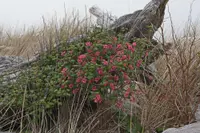
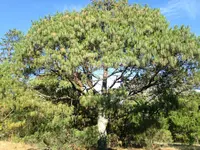
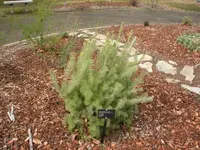
Old man banksia Care (Banksia serrata)

Also known as: Saw Banksia, Red honeysuckle
Old man banksia

About Old man banksia

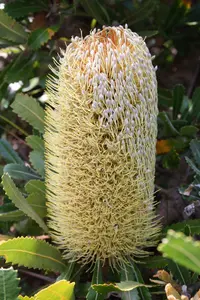
Old man banksia (Banksia serrata) is a long-lived Australian shrub or small tree known for its gnarled trunk, rough bark, and large cylindrical flower spikes. It develops tough, leathery leaves with toothed edges and woody seed cones that often stay on the plant for many years.

In nature it grows in coastal heaths and open forests on poor, sandy soils, especially along eastern Australia. It is adapted to low-nutrient conditions and seasonal drought, which shapes how to care for Old man banksia.

This species prefers full sun, excellent drainage, and low-phosphorus conditions, so it can be challenging in rich or poorly drained soils but rewarding for patient growers.

Main Plant Requirements

Care Difficulty

Moderate Care

Light Preference

Full Sun

Water Requirements

Low Water

Temperature Preference

Warm Climate

Hardiness Zone

9–11

Soil Texture

Sandy, Loamy, Rocky

Soil pH

Acidic (5.5–6.5)

Soil Drainage

Well-drained

Fertilization

Minimal (feed rarely)

Get Personalized Care Plan

Scan your plant to receive care tips personalized for your specific plant

Available on iOS and Android

How to Care for the Old man banksia

Banksia serrata thrives in bright, open positions with strong sun exposure.

  • Provide 6–8 hours of direct sun daily; full sun is best, especially morning sun with some protection from harsh late-afternoon summer sun in very hot climates.
  • The plant tolerates light or dappled shade for part of the day but flowering and compact growth decline if it receives less than about 4–5 hours of direct sun.
  • In cooler seasons, ensure Old man banksia is not shaded by taller plants or structures, as low winter sun angles can significantly reduce light levels.

Banksia serrata prefers deep but infrequent watering in very free-draining soil.

  • Outdoors in the ground, allow the top 5–8 cm of soil to dry before watering, then soak the root zone thoroughly and let excess water drain away completely.
  • Reduce watering in cool or wet seasons; natural rainfall is often enough unless there is extended drought, when foliage may dull and lower leaves may droop slightly.
  • Avoid constantly wet or clay soils; yellowing leaves, blackened roots, or a sour smell in the soil indicate overwatering and poor drainage, which this species tolerates poorly.

This species is adapted to mild, coastal-type climates with moderate temperature swings.

  • Optimal growth occurs around 60–80°F (16–27°C), with steady flowering and strong root development in these conditions.
  • Mature plants can tolerate brief drops to about 24–26°F (-4 to -3°C), but young plants are more sensitive and benefit from protection during cold snaps and frost events.
  • Heat tolerance is good up to about 100°F (38°C) if soil is well drained and roots are not waterlogged; in prolonged heat, mulch the root zone to stabilize temperature.

Humidity is rarely critical for Banksia serrata, which thrives in dry, airy conditions.

  • Aim for 30–50% humidity, similar to typical indoor air in heated or cooled homes.
  • The plant tolerates dry air well; persistent leaf browning at tips usually relates more to poor drainage than low humidity.
  • If air is extremely dry and hot, shade during peak heat and ensure deep, infrequent watering rather than trying to raise humidity.

Banksia serrata needs very free-draining, low-fertility soil to avoid root damage.

  • Use a sandy, gritty mix with large pores, such as 60–70% coarse sand or fine gravel blended with low-nutrient native potting mix.
  • Aim for slightly acidic to neutral pH around 5.5–7.0, avoiding lime-rich substrates that can restrict nutrient uptake.
  • Incorporate chunky materials like pine bark fines to keep the structure open and oxygen-rich around the roots.
  • Avoid heavy clay, dense compost, or manures, which hold water and phosphorus and greatly increase root rot risk.

This species can be grown in containers when managed carefully for drainage and root space.

  • Choose a deep, heavy container to anchor the increasingly woody, top-heavy crown against wind and accidental knocks.
  • Select pots made from porous materials like unglazed terracotta if extra evaporation is needed in wet or humid climates.
  • Raise the pot on feet or bricks so drainage holes stay clear, allowing rapid runoff after rain or irrigation to protect sensitive roots.

Banksia serrata grows best in lean, well-drained soil and needs only light feeding in cultivation.

  • Use a low-phosphorus, slow-release native plant fertilizer or very dilute balanced NPK product to avoid phosphorus toxicity.
  • Feed sparingly once at the start of spring and again in mid-summer during active growth.
  • Apply at 25–50% of the label rate, keeping granules or solution away from the trunk and stem base.
  • Avoid feeding in fall and winter; this helps Old man banksia harden growth and reduces rot risk.

Pruning supports a compact shape and encourages healthy flowering on Banksia serrata.

  • Carry out light pruning in late winter to early spring, before strong new growth begins.
  • Remove dead, diseased, crossing, or inward-growing branches with clean, sharp bypass pruners or loppers.
  • Shorten overly long shoots back to a lateral branch to maintain size and structure without scalping.
  • Avoid cutting into very old, woody stems with no visible buds, as these may not reshoot well.

Banksia serrata is usually grown in the ground, but container plants or young stock may need occasional transplanting.

  • Look for roots circling the pot, reduced vigor, or quick drying soil as signs a larger container or ground planting is needed.
  • Transplant in late winter to early spring, when conditions are mild and soil is workable.
  • Move plants only every 2–3 years, stepping up 1 pot size or into a permanent, well-drained site.
  • Handle roots gently, keep the original soil intact, water deeply once, then allow the root zone to dry slightly between waterings.

Propagation of Banksia serrata is most reliable from seed, though semi-hardwood cuttings are also possible with care.

  • Collect or purchase fresh seed and sow in late winter to early spring in a very free-draining, low-phosphorus mix.
  • Provide bright light, good air movement, and temperatures around 65–75°F for even germination.
  • Keep the medium barely moist, never waterlogged, to reduce damping-off and root rot risks.
  • For cuttings, use semi-hardwood tips, apply rooting hormone, and place under high humidity with bottom warmth.

Mature Banksia serrata tolerate light frosts but benefit from some winter protection in colder regions.

  • In USDA zones warmer than 9, plants usually overwinter outdoors with minimal intervention.
  • In cooler areas, mulch 5–7 cm around the root zone, keeping material slightly away from the stem.
  • Wrap young or exposed plants with breathable frost cloth during freezing nights, especially in the first 2–3 winters.
  • Grow Banksia serrata in containers in cold climates and overwinter in a bright, frost-free space.

Care Tips

Root disturbance control

Handle the plant only by the rootball when transplanting and avoid teasing roots apart, as this species resents disturbance and performs best when moved infrequently and only during mild weather.

Low-phosphorus mulching

Apply a thin, coarse, low-nutrient mulch layer such as washed gravel or native tree bark, keeping it 5–10 cm away from the trunk to conserve soil moisture without adding excess phosphorus.

Wind training strategy

Position young plants in a site with regular but not extreme wind exposure so stems gradually thicken and form a stable framework, reducing the need for staking later.

Selective flower removal

On young or recently transplanted specimens, remove a portion of developing flower spikes so the plant can direct more energy to root establishment and structural growth during the first 1–2 years.

Firewise fuel management

In fire-prone areas, regularly clear dry leaf litter and old cones from around the base and maintain a non-flammable zone of gravel or bare soil to reduce fuel load while still allowing you to grow Banksia serrata safely in the landscape.

Common Pests and Diseases

Banksia borer

This pest is the larval stage of longhorn beetles that tunnel through older wood, causing dieback of branches and reduced flowering. Symptoms include frass (sawdust-like material), exit holes, and sudden wilting of individual branches.

Solution

Prune out and destroy affected branches well back into healthy wood as soon as dieback or borer holes are noticed, then dispose of prunings off-site. Keep the plant vigorous through appropriate watering and avoid wounding the trunk and main branches, since stressed plants are more attractive to borers.

Banksia leaf miner

These insects are tiny moth or fly larvae that feed between the upper and lower surfaces of leaves, creating pale, winding tunnels and distorted foliage. Symptoms include thin serpentine trails, browning along mines, and premature leaf drop on heavily affected foliage.

Solution

Remove and discard mined leaves to reduce larvae and prevent further spread, focusing on new growth where damage is often concentrated. Encourage natural predators by avoiding broad-spectrum insecticides, and keep the plant well watered during dry periods so new, healthy foliage can replace damaged leaves.

Phytophthora dieback

This disease is caused by soil-borne water moulds, commonly Phytophthora cinnamomi, which attack fine roots and can lead to progressive yellowing, leaf drop, and branch or whole-plant death. Symptoms include poor new growth, dull foliage, and decline that worsens after periods of wet soil.

Solution

Improve drainage, avoid overwatering, and prevent water pooling around the root zone, as saturated soil strongly favors this pathogen. In affected gardens, remove severely diseased plants, avoid moving contaminated soil, use clean tools, and in high-value collections consult a specialist about registered phosphite treatments and long-term site hygiene as part of wider Banksia serrata care instructions.

Banksia canker

This disease, often caused by fungi such as Botryosphaeria species, produces sunken lesions and cracking on stems that interrupt sap flow and cause dieback of shoots above the infected area. Symptoms include discolored bark, oozing or cracking at canker sites, and progressive death of branches.

Solution

Cut out affected stems 10–15 cm below the visible canker into healthy wood, sterilizing pruning tools between cuts, and dispose of all infected material away from the planting area. Reduce stress by maintaining appropriate watering, avoiding mechanical damage, and improving airflow around the plant so stems dry quickly after rain.

Scale insects

These insects attach to stems and leaves, sucking sap and excreting honeydew that can lead to sooty mould on banksia foliage. Symptoms include small dome-shaped or flat bumps, sticky surfaces, black fungal coating, and general weakening of the plant over time.

Solution

For light infestations, wipe or gently scrub scales from stems and leaves with a soft brush or cloth dipped in mild soapy water, then rinse with clean water. On larger shrubs, use horticultural oil sprays labeled for ornamental plants, applied thoroughly to coat the insects, and repeat at intervals as directed while also managing ants that protect scale colonies.

Interesting Facts

Fire opens seed cones

This species holds its seeds in hard woody cones for many years, only releasing them in large numbers after exposure to the intense heat of bushfire, a strategy known as serotiny. The heat causes the follicles to open, allowing winged seeds to fall onto nutrient-rich ash beds.

Remarkably long-lived individuals

Old man banksia can survive for several hundred years in its native coastal habitats of eastern Australia. Thick, corky bark and a robust underground lignotuber help it endure repeated fire and harsh coastal winds.

Supports specialist pollinators

The large, nectar-rich flower spikes provide a key food source for honeyeater birds and small mammals like pygmy possums. These animals in turn act as important pollinators, transferring pollen between flower spikes as they feed.

Botan icon

Did you know?

Banksia serrata was one of the first Australian plants scientifically described from live material by Europeans, collected by Sir Joseph Banks and Daniel Solander during Captain James Cook’s 1770 voyage, and the genus Banksia was later named in Banks’s honor.

FAQs about Old man banksia

Lack of flowers often relates to plant age, insufficient light, or heavy fertilizing with high nitrogen. Young specimens may need several years to flower, and mature plants bloom more reliably when not pruned hard at the tips.

Grow Healthy Plants with Botan Care

Keep your plants happy and healthy with plant identification, disease detection, and easy care guidance.

Botan plant care app — identify plants on mobile

Explore More Plants