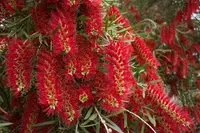
woolly bush Care (Adenanthos sericeus)

woolly bush

About woolly bush

Adenanthos sericeus, commonly called woolly bush, is an evergreen shrub native to coastal regions of southwestern Australia. It belongs to the protea family and has fine, silky foliage that gives it a soft, silver-green look.

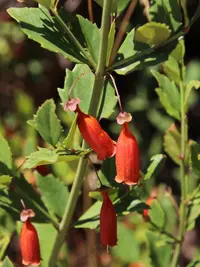
Plants typically form a dense, upright to bushy shape that suits feature planting, screening, or large containers. Small red tubular flowers appear mainly at the branch tips and attract birds.

It is adapted to sandy, well-drained soils, salt-laden winds, and low to moderate rainfall, which influences how to care for woolly bush in gardens. In cultivation it prefers bright light, low humidity, and lean, free-draining soil, and it generally dislikes heavy feeding or waterlogged conditions.


Main Plant Requirements

Care Difficulty

Hard Care

Light Preference

Full Sun

Water Requirements

Low Water

Temperature Preference

Warm Climate

Hardiness Zone

9–11

Soil Texture

Sandy, Loamy, Rocky

Soil pH

Strongly acidic (4.5–5.5), Acidic (5.5–6.5)

Soil Drainage

Well-drained

Fertilization

Minimal (feed rarely)

Get Personalized Care Plan

Scan your plant to receive care tips personalized for your specific plant

Available on iOS and Android

How to Care for the woolly bush

Adenanthos sericeus thrives in bright, open positions with consistent sun exposure.

  • Provide 6–8 hours of direct sun daily, ideally morning and early afternoon, with some protection from intense late-afternoon summer sun in very hot climates.
  • Plant in a site that receives full sun but accepts light partial shade, which can reduce foliage density and flowering if too prolonged.
  • In winter, ensure the woolly bush is not shaded by buildings or trees, as low light for weeks leads to leggy, weak growth.

This shrub prefers deep but infrequent watering that allows the soil to dry between soakings.

  • Water only when the top 3–5 cm of soil are dry, then soak the root zone thoroughly and let excess drain away.
  • In cool or rainy seasons, reduce watering to avoid waterlogging; in hot, dry periods, increase frequency but still allow noticeable drying between waterings.
  • Watch for yellowing, soft foliage as a sign of overwatering, and crisp, browning shoot tips or drooping as signs that Adenanthos sericeus is too dry.

This coastal shrub favors mild, Mediterranean-type conditions with cool winters and warm, dry summers.

  • Aim for 60–75°F (16–24°C) for best growth, with good air movement to prevent heat buildup around the foliage.
  • Mature plants tolerate brief dips to about 25°F (−4°C), but repeated hard frosts can burn new growth and may kill young plants without shelter.
  • In hot spells above 95°F (35°C), mulch the root zone and provide some afternoon shade to limit stress and leaf scorch, especially in exposed sites.

This species prefers dry, airy conditions and does not need extra humidity.

  • Target 30–50% relative humidity, similar to typical indoor or coastal outdoor air.
  • Tolerates dry air well; avoid enclosed, steamy rooms where foliage stays damp.
  • Watch for blackened stem bases or persistent leaf spotting in stagnant, humid air and increase ventilation or use a fan.

This shrub needs very free-draining, sandy soil to avoid root problems.

  • Use a sandy or sandy-loam mix with low organic content, mimicking poor coastal soils where Adenanthos sericeus naturally grows.
  • Aim for slightly acidic to neutral pH around 6.0–7.0 to support nutrient uptake without stressing the roots.
  • Combine coarse sand, fine gravel, and a small amount of low-phosphorus compost to keep the mix open and fast-draining.
  • Avoid heavy clay, peat-heavy, or constantly wet mixes, which reduce aeration and promote root rot.

This species can be grown in containers if drainage and stability are carefully managed.

  • Choose a deep, heavy pot that resists tipping as the shrub becomes woody and top-heavy in wind-exposed sites.
  • Use a very gritty, low-organic mix so water moves quickly through the root zone after each watering.
  • Raise the container slightly on pot feet or bricks to keep drainage holes clear and prevent water pooling under the base.

This Australian native is very sensitive to phosphorus and usually grows best in lean, low‑nutrient soils, so use fertilizer sparingly for woolly bush.

  • If growth is weak in pots, apply a low‑phosphorus, slow‑release native plant fertilizer with NPK labeled safe for Australian natives.
  • Feed lightly once in spring only; avoid summer heat waves and skip feeding in fall and winter.
  • Use at 1⁄2–1⁄4 the label strength to prevent root burn and nutrient toxicity.

Pruning Adenanthos sericeus is mainly used to maintain a dense, tidy shape and remove weak growth.

  • Carry out light pruning in late winter or early spring before strong new growth starts.
  • Remove dead, diseased, wind‑damaged, or badly crossing branches back to healthy wood.
  • Tip‑prune soft young shoots to encourage bushier branching and a fuller habit.
  • Use clean, sharp bypass pruners and make small, staged cuts rather than heavy, single removals.

This shrub is usually grown in the ground, so focus on careful transplanting and infrequent container repotting.

  • Transplant or up‑pot in late winter to early spring when conditions are mild and soil is workable.
  • Look for roots circling the pot drainage holes, very fast drying soil, or stunted growth as signs a container plant needs more space.
  • Plan on repotting container specimens every 2–3 years into a slightly larger pot with very free‑draining, sandy, low‑phosphorus mix.
  • Minimize root stress by handling the root ball gently, teasing only lightly, watering well after planting, and shading from harsh sun for 1–2 weeks.

Propagation of Adenanthos sericeus is usually done by semi‑hardwood cuttings rather than seed for more reliable results.

  • Take 7–10 cm semi‑hardwood cuttings in late summer to early autumn from healthy, non‑flowering shoots.
  • Remove lower leaves, keep a small leaf cluster at the tip, and dip the base in a low‑phosphorus rooting hormone if available.
  • Insert cuttings into a sharply drained, sandy mix, keeping it just slightly moist and in bright, indirect light.
  • Maintain gentle bottom warmth if possible and high air humidity with good air movement to reduce fungal problems while roots form.

This coastal shrub prefers mild winters and needs protection in colder climates with hard frost.

  • Tolerates light frost but can suffer damage below about 25°F, especially in exposed, windy sites.
  • Apply a 5–8 cm layer of coarse mulch around the root zone, keeping it slightly away from the stem base.
  • Wrap young or container plants with frost cloth during freezing nights to reduce foliage burn.
  • Move potted specimens under cover or into a cool, very bright indoor spot when repeated freezes are forecast for extended periods.

Care Tips

Wind-hardening strategy

In the first 6–12 months after planting, expose young plants gradually to stronger wind by removing nearby temporary windbreaks over several weeks, which encourages sturdier stems and reduces breakage in coastal or open sites.

Low-phosphorus mulching

Apply a thin 2–4 cm layer of coarse, low-nutrient mulch such as washed pine bark or gravel around the root zone, keeping it a few cm away from the stem to conserve moisture and protect the shallow, sensitive roots without adding damaging phosphorus.

Salt-spray management

In exposed coastal gardens, lightly hose foliage with fresh water every few weeks during dry spells to remove salt deposits, which helps prevent leaf burn and maintains healthy growth when growing woolly bush near the ocean.

Selective form pruning

Once structural branches are established, pinch only the soft, new tips 1–2 times a year rather than cutting into older wood, which keeps the plant dense and compact while avoiding stress to its sensitive lignified stems.

Root-zone protection

Avoid digging, planting, or placing heavy objects within the drip line, and instead use lightweight pots or decor outside this area so the fine protea-type roots are not damaged by compaction or disturbance.

Common Pests and Diseases

Phytophthora dieback

This disease is caused by soil-borne water moulds such as Phytophthora cinnamomi and leads to rapid decline, browning, and death of branches or whole plants, especially in poorly drained or frequently wet soils. Symptoms include foliage yellowing, tip dieback, and a generally wilted appearance despite adequate watering.

Solution

Improve drainage, avoid overwatering, and never allow the root zone to sit in standing water; raised beds or mounds are strongly recommended in high-rainfall areas. Remove and dispose of severely affected plants, disinfect tools, and in high-risk sites consider using a phosphite (phosphonate) soil drench or trunk spray following label directions and local regulations as part of broader Adenanthos sericeus care instructions.

Botrytis blight

This disease develops in cool, humid conditions and causes grey, fuzzy mould on young shoots, flowers, and damaged foliage. Symptoms include soft rot of new growth and spotting on leaves, often starting where plant material has been wounded or is overcrowded.

Solution

Increase air circulation by pruning crowded stems, remove and discard all affected tissue, and avoid overhead watering that wets the foliage for long periods. In persistent cases, apply a registered fungicide for Botrytis, making sure to keep the canopy as dry as possible and to clean up fallen debris around the plant.

Scale insects

These insects attach to stems and leaves, sucking sap and causing yellowing, reduced growth, and a general decline in vigor. This pest often appears as small, dome-shaped bumps and may be accompanied by sticky honeydew and sooty mould on foliage.

Solution

Physically remove light infestations by gently scraping with a fingernail or soft brush, or prune out heavily infested stems. For larger populations, use horticultural oil or insecticidal soap sprayed thoroughly on stems and leaf undersides, repeating every 7–14 days as needed while improving plant vigor through correct watering and full-sun exposure.

Spider mites

These pests thrive in hot, dry conditions and feed on leaf surfaces, causing fine stippling, dull grey-green foliage, and eventual leaf drop. Symptoms include very fine webbing between leaves and stems and a dusty appearance when infestations are advanced.

Solution

Increase humidity around the plant slightly and regularly hose down foliage, focusing on the undersides of leaves to physically remove mites. For persistent infestations, use insecticidal soap or horticultural oil applied in the early morning or late afternoon, repeating at 7–10 day intervals and monitoring with a magnifying lens to confirm control.

Leaf spot

This disease complex is caused by various fungi that produce small brown or dark purple spots on leaves, sometimes with yellow halos and premature leaf fall. Symptoms include scattered lesions that may coalesce, giving the plant a thin, patchy canopy over time.

Solution

Prune out and discard affected foliage, improve air movement around the plant, and avoid wetting leaves when watering. In gardens with recurring problems, apply a broad-spectrum fungicide labeled for ornamental shrubs at the first appearance of spots, and keep the base of the plant free of fallen leaves to reduce reinfection.

Interesting Facts

Native to coastal dunes

This species naturally occurs along the south and west coasts of Western Australia, where it grows in sandy, nutrient-poor soils within coastal heath and dune systems exposed to strong salt-laden winds.

Protea family specialist

It belongs to the Proteaceae family and shows classic protea adaptations, such as fine, divided foliage and a preference for low-phosphorus soils, which reflect its evolution in ancient, highly weathered Australian sands.

Nectar for local fauna

Its small orange to red tubular flowers produce nectar that attracts birds and insects in its native range, contributing to local pollination networks despite the blooms often being visually less conspicuous than those of many other proteas.

Botan icon

Did you know?

This species is one of the most salt-tolerant members of the Proteaceae and can form wind-sheared, dense shrubs on exposed sea cliffs and headlands, where few other woody proteas can survive long-term.

FAQs about woolly bush

Lack of flowers usually comes from insufficient light, overly rich or high-phosphorus fertilizer, or pruning at the wrong time, which removes flower buds. Mild stress from lean, sandy soil often encourages better flowering in this species.

Grow Healthy Plants with Botan Care

Keep your plants happy and healthy with plant identification, disease detection, and easy care guidance.

Botan plant care app — identify plants on mobile

Explore More Plants