Azalea Care (Rhododendron 'Rosy Lights')

Also known as: Rhododendron
Azalea

About Azalea

Azalea Rhododendron 'Rosy Lights' is a cold-hardy deciduous shrub bred for reliable flowering in cool and northern climates. It belongs to the rhododendron group, known for showy spring blooms.

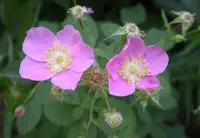
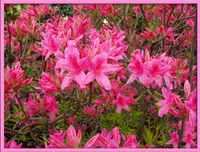
This cultivar forms a rounded, compact bush covered in clusters of bright, rose-pink flowers before or as fresh leaves emerge. Foliage turns attractive shades in autumn, adding seasonal interest.

Rhododendron 'Rosy Lights' prefers acidic, well-drained soil with consistent moisture and benefits from light shade, especially in hotter regions. Its hardiness and predictable performance make it a good choice for gardeners learning how to care for Azalea.

Main Plant Requirements

Care Difficulty

Moderate Care

Light Preference

Partial Shade

Water Requirements

Keep Soil Moist

Temperature Preference

Cold Hardy

Hardiness Zone

3–7

Soil Texture

Loamy, Peaty, Organic-rich

Soil pH

Strongly acidic (4.5–5.5), Acidic (5.5–6.5)

Soil Drainage

Moist but well-drained

Fertilization

Minimal (feed rarely)

Get Personalized Care Plan

Scan your plant to receive care tips personalized for your specific plant

Available on iOS and Android

How to Care for the Azalea

Rhododendron 'Rosy Lights' performs best in bright but gentle outdoor light that protects foliage from harsh heat.

  • Provide 3–5 hours of direct morning sun with light afternoon shade, or all-day dappled light under high tree canopies.
  • Avoid intense afternoon sun, which can scorch leaves and fade blooms, especially in hotter regions and during summer heat waves.
  • In cooler climates, allow a bit more sun in spring and fall; if stems become leggy and flowering drops, the plant likely needs more light, similar to many Azalea types.

Rhododendron 'Rosy Lights' needs consistently moist, never waterlogged, acidic soil.

  • Water when the top 2–4 cm of soil feels dry, soaking the root zone thoroughly, then let excess drain away.
  • Improve drainage with organic matter so water does not pool around roots, which can cause yellowing leaves, soft stems, and root rot.
  • During hot, dry weather, check moisture every 1–2 days; in cool or rainy seasons, reduce watering and watch for wilting or crispy leaf edges as signs of underwatering.

This cold-hardy shrub tolerates low temperatures but grows best in moderate conditions.

  • Aim for active growth in 60–75°F (16–24°C); buds form well and foliage stays healthy within this range.
  • Plants tolerate winter lows near -30°F (-34°C) when established, but late spring frosts can damage new growth and flower buds.
  • In summer, provide shade and mulch when temperatures rise above 85°F (29°C) to keep roots cool and reduce heat stress, leaf scorch, and bud drop.

This shrub benefits from moderately moist air and dislikes prolonged very dry conditions.

  • Aim for 40–60% humidity, which suits most outdoor sites and sheltered patios in mild climates.
  • In very dry or windy spots, leaf edges may brown and buds may fail to open, showing humidity and moisture stress.
  • Group plants, use wind protection, and maintain an evenly moist, mulched root zone to buffer low ambient humidity, which also supports Azalea indoor care.

Rhododendron 'Rosy Lights' requires acidic, airy, consistently moist but well-drained soil.

  • Use a loose, organic-rich mix, such as 50% pine bark fines, 30% peat or coir, and 20% perlite or coarse sand for structure.
  • Keep pH in the 4.5–5.5 range; higher pH locks out iron and causes pale, yellowing foliage.
  • Avoid heavy clay or compacted ground; if unavoidable, build a raised bed filled with the custom mix on top rather than digging deep holes.
  • Ensure the planting area sheds water quickly after rain; standing water or soggy pockets around the root zone promote root rot.

This hardy azalea adapts well to container growing outdoors when moisture and stability are managed carefully.

  • Select a wide, relatively shallow container to match its fibrous, surface-focused root system and prevent deep, waterlogged zones.
  • Choose a heavy, frost-resistant pot material like ceramic or thick-walled resin to stabilize the shrub against wind and uneven canopy weight.
  • Elevate the pot slightly on feet or bricks so drainage holes stay clear and excess water escapes instead of pooling under the base.

Rhododendron 'Rosy Lights' benefits from modest, targeted feeding in acidic soil.

  • Apply an acid-forming, slow-release fertilizer or balanced NPK (around 10-10-10) in early spring, just before new growth starts.
  • Feed once more in late spring after flowering; avoid any fertilizer from midsummer onward to prevent tender late growth.
  • Use about half the label-recommended strength for container plants and water well before and after feeding.
  • In line with standard Azalea indoor care, skip fertilizing in winter dormancy and rely on an acidic mulch layer instead.

Rhododendron 'Rosy Lights' needs light, timely pruning to maintain shape and flowering.

  • Prune immediately after flowering in late spring so next year’s buds are not removed.
  • Use clean, sharp hand pruners to remove dead, diseased, or storm-damaged wood back to healthy tissue.
  • Thin out a few crowded interior shoots to improve air flow and keep a balanced, open framework.
  • Pinch or cut back overly long shoots just above a leaf whorl to maintain compact, natural form.

This shrub is usually grown in the ground, so focus on careful transplanting rather than frequent repotting.

  • Plan transplanting for early spring or early fall when temperatures are mild and soil is moist.
  • Move when growth slows, plants look stressed despite good care, or roots circle a container and emerge from drainage holes.
  • Dig a wide, shallow hole and move the plant with as much intact root ball and surrounding soil as possible.
  • Water thoroughly after transplanting, keep the root zone evenly moist, and apply a 5–8 cm mulch ring to reduce stress.

Rhododendron 'Rosy Lights' is most commonly propagated by semi-hardwood cuttings or simple layering.

  • Take semi-hardwood cuttings in late summer, 7–10 cm long, from non-flowering shoots with healthy leaves.
  • Remove lower leaves, dip the cut base in rooting hormone, and insert into a sterile, acidic, well-drained mix under high humidity.
  • Provide bright, indirect light and stable temperatures around 65–75°F for several weeks until roots form.
  • For layering, bend a low, flexible branch to the soil, wound slightly, pin down, cover with acidic mix, and sever once well rooted.

This cultivar is cold hardy but benefits from basic winter preparation, especially in exposed sites or containers.

  • Rhododendron 'Rosy Lights' tolerates very low temperatures once established, but sudden freezes can still stress foliage and buds.
  • Apply 5–8 cm of mulch over the root zone in late fall, keeping it slightly back from the stem, to insulate soil and conserve moisture.
  • In windy or sunny winter sites, use a breathable burlap screen to reduce leaf desiccation and scorch.
  • Move container-grown plants into an unheated but frost-free or slightly sheltered area to prevent root ball freezing and thawing cycles.

Care Tips

Mulch Root Zone

Apply a 5–8 cm layer of pine bark or pine needle mulch over the root zone, keeping it 3–5 cm away from the stems, to keep roots cool, suppress weeds, and maintain the acidic conditions this shrub prefers.

Protect From Spring Frost

When flower buds are swollen but not yet open, drape a breathable frost cloth or old sheet over the plant on nights forecast below 30°F to prevent bud damage and loss of the spring display.

Monitor Leaf Color

Check leaves several times each season for pale green or yellowing between veins; if present, test soil pH and adjust with a sulfur-based product rather than extra fertilizer, since high pH often causes this chlorosis.

Plan For Mature Size

Place the shrub where it has room to reach its full spread so it does not need hard pruning later, and avoid siting it where snow from roofs or plows will pile directly onto the branches.

Targeted Pest Checks

Inspect the undersides of leaves and interior branches every 2–3 weeks in warm weather for lace bugs, spider mites, and scale, using a hand lens if possible, and wash foliage with a strong water spray or apply a labeled horticultural oil at first signs rather than waiting for heavy damage when caring for Azalea.

Everything About Azalea

Common Pests and Diseases

Azalea lace bug

This pest feeds on the undersides of evergreen azalea leaves, causing stippled, bleached-looking foliage and dark specks of excrement. Symptoms include overall thinning of the canopy and reduced flowering over time.

Solution

Inspect the undersides of leaves regularly and prune out the worst-affected shoots. For light infestations, hose the undersides of leaves with a strong water spray; for heavier cases, use a horticultural oil or insecticidal soap directed under the foliage, and keep the plant well watered and mulched to reduce stress that makes caring for Azalea more difficult.

Azalea bark scale

This pest appears as white, cottony clusters in branch crotches and along stems, leading to sticky honeydew and sooty mold on leaves. This scale insect weakens plants over time and can reduce flower production.

Solution

Prune out and dispose of heavily infested twigs, then scrub remaining stems gently with a soft brush and soapy water to remove scales. In late winter, apply a horticultural oil to stems and branches to smother overwintering stages, and improve plant vigor with correct watering and mulch so the shrub can recover more easily.

Phytophthora root and collar rot

This disease is favored by poorly drained, heavy soils and causes wilting, leaf yellowing, and sudden plant collapse, often with brown, discolored tissue at the root crown. Symptoms include poor new growth despite adequate watering and fertilization.

Solution

Remove and discard severely affected plants, including as much root material as possible, and do not replant rhododendrons in the same poorly drained spot. Improve drainage by raising the planting area, using a coarse, acidic, well-drained mix, avoiding overwatering, and keeping mulch a few cm away from the stem base to reduce excess moisture around the collar.

Petal blight

This disease attacks developing flower buds and open blooms, causing tan to brown spots that quickly spread until the entire flower turns brown and mushy. Blooms often cling to the plant instead of dropping cleanly, creating a spattered, scorched appearance.

Solution

Promptly remove and dispose of all affected flowers, including those on the ground, to reduce fungal spores. During damp springs, avoid overhead watering, space plants for good air circulation, and consider a labeled fungicide spray at bud color stage if the problem recurs yearly.

Leaf gall

This disease causes thickened, fleshy, pale green to white swellings on young leaves and sometimes flowers in spring. Symptoms include distorted new growth that later turns white, then brown and dry as the galls mature.

Solution

Hand-pick and destroy galled leaves and shoots as soon as they appear, before they turn white and release spores. Rake and discard fallen infected material, and encourage quick drying of foliage by avoiding overhead irrigation and maintaining good air movement around the shrub.

Interesting Facts

Extreme cold hardiness

This deciduous azalea was bred to tolerate very low winter temperatures and is reliably hardy to about −30°F (USDA zone 4), making it suitable for much colder climates than many evergreen rhododendrons.

Northern Lights hybrid origin

It is part of the Northern Lights hybrid series developed at the University of Minnesota, created by crossing several cold-hardy azalea species to combine intense flower color with exceptional winter survival.

Fragrant late-spring bloom

The shrub produces strongly scented, rose-pink flower trusses in late spring, often after leaf-out, creating a dense display of color and fragrance when many other spring-flowering shrubs are already fading.

Botan icon

Did you know?

Rhododendron 'Rosy Lights' was specifically released for cold-climate ornamental landscapes where traditional azaleas frequently failed, and its introduction significantly expanded the practical range for growing Azalea in the upper Midwest and similar regions.

FAQs about Azalea

Insufficient flower buds usually result from pruning too late in summer, heavy shade, or previous drought stress. Buds form soon after flowering, so pruning then, or letting the plant dry out, often removes or damages next season’s blooms.

Grow Healthy Plants with Botan Care

Keep your plants happy and healthy with plant identification, disease detection, and easy care guidance.

Botan plant care app — identify plants on mobile

Explore More Plants