goldspire Care (Azara integrifolia)

goldspire

About goldspire

Azara integrifolia, commonly called goldspire, is an evergreen shrub or small tree valued for its neat, upright habit and dense, glossy foliage. It typically forms a narrow column, making it suitable for smaller gardens, screens, or feature plantings.

This species is native to temperate regions of South America, where it grows in woodland and forest edges with cool, moist conditions. Small, fragrant yellow flowers may appear along the stems, adding seasonal interest.

Goldspire is moderate in vigor and generally not difficult if its basic needs are met. It prefers consistent moisture, shelter from harsh drying winds, and reasonably fertile, well-drained soil. Understanding how to care for goldspire mainly involves matching its garden setting to these cool, moisture-retentive conditions.

Main Plant Requirements

Care Difficulty

Moderate Care

Light Preference

Partial Shade

Water Requirements

Moderate Water

Temperature Preference

Warm Climate

Hardiness Zone

9–11

Soil Texture

Loamy, Sandy, Organic-rich

Soil pH

Acidic (5.5–6.5), Slightly acidic (6.5–7.0)

Soil Drainage

Moist but well-drained

Fertilization

Minimal (feed rarely)

Get Personalized Care Plan

Scan your plant to receive care tips personalized for your specific plant

Available on iOS and Android

How to Care for the goldspire

Azara integrifolia prefers bright, gentle light rather than intense, all-day sun.

  • Provide 4–6 hours of morning sun with light shade or filtered light from midday onward, especially in hotter regions.
  • Plant in a spot with partial shade where it is protected from harsh afternoon sun that can scorch foliage and pale leaves on goldspire forms.
  • In cooler climates, choose a brighter, south- or west-facing site; in hotter areas, increase dappled shade, especially during summer peaks.

This shrub prefers evenly moist, well-drained soil without long periods of drought or saturation.

  • Allow the top 3–5 cm of soil to dry slightly, then water deeply so moisture reaches the root zone, rather than giving frequent shallow drinks.
  • Reduce watering in cool, rainy months; increase during hot, dry spells, watching for wilting, drooping tips, or crisp leaf edges as signs of underwatering.
  • Ensure soil drains freely; persistent puddling, yellowing leaves, or soft stems suggest overwatering or poor drainage and require adjustment.

This plant grows best in mild, frost-protected conditions without extreme heat or cold.

  • Aim for 55–75°F (13–24°C) for steady growth; it handles brief cooler spells but prefers a stable, moderate climate.
  • Protect from hard frosts; foliage and young growth are at risk below about 20–25°F (-6 to -4°C), so shelter or cover plants in cold snaps.
  • In hot summers above 86°F (30°C), provide extra shade and mulch to keep roots cooler and reduce heat stress on the canopy.

This shrub prefers moderate, steady humidity but usually adapts to typical household air.

  • Aim for 40–60% humidity to reduce leaf-tip browning and keep growth even.
  • It tolerates brief drier air, but prolonged humidity below 30% can cause curling, crispy leaves and slowed growth.
  • Increase humidity with a nearby humidifier or a grouped planting tray with pebbles and water, avoiding misting that leaves foliage wet overnight.

This species grows best in loose, moisture-retentive but free-draining soil.

  • Use a loamy mix with roughly 50% garden loam or peat-free compost, 25% fine bark, and 25% sharp sand or perlite for structure and aeration.
  • Keep drainage fast enough that water does not pool on the surface or in the planting hole longer than 30–60 minutes.
  • Target a slightly acidic to neutral pH around 6.0–7.0 for Azara integrifolia, avoiding strongly alkaline conditions that can cause nutrient lockout and chlorosis.
  • Avoid compacted clay, waterlogged sites, or pure sand; improve heavy soil by incorporating coarse grit and bark, and improve very light soil with extra compost for water-holding capacity.

This shrub can be grown in containers if the pot is large, heavy, and drains efficiently.

  • Choose a deep, wide container that allows a fibrous root system to spread horizontally, improving anchorage and water access.
  • Use a thick-walled, heavy material such as ceramic or concrete to stabilize the plant against wind and top-heavy growth.
  • Raise the pot on feet or bricks so drainage holes stay clear and excess water runs off quickly, preventing chronic saucer soak.

Azara integrifolia benefits from light, balanced feeding but grows acceptably in moderately fertile garden soil.

  • In spring, apply a balanced slow-release fertilizer (around 10-10-10) at half the label rate around the drip line.
  • For container plants, use a diluted balanced liquid feed (1/2 strength) every 4–6 weeks in the growing season.
  • Stop feeding in late summer so new growth hardens before winter, and do not fertilize during winter dormancy.
  • In richer soils, a thin layer of compost once a year is enough when caring for goldspire.

Azara integrifolia responds well to light structural pruning to maintain a graceful form.

  • Carry out main pruning in late winter or very early spring before active growth starts.
  • Remove dead, damaged, crossing, or inward-growing branches with clean, sharp bypass pruners or loppers.
  • Thin congested interior shoots to improve air flow and light penetration, keeping the natural layered habit.
  • Limit cuts to moderate wood each year to avoid shocking the plant and to maintain steady growth and flowering.

This species is usually grown in the ground, so focus on careful transplanting rather than frequent repotting.

  • Transplant in early spring or early fall when temperatures are mild and soil is workable.
  • Look for signs like slowed growth, roots circling a container, or becoming root-bound before moving a potted plant.
  • Choose a hole or new container 1–2 sizes larger with well-drained soil at the same planting depth as before.
  • Water thoroughly after planting, apply mulch to stabilize moisture, and shade lightly for 1–2 weeks to reduce transplant shock.

Azara integrifolia is most often propagated by semi-ripe cuttings, with seeds used less commonly.

  • Take semi-ripe tip cuttings in mid to late summer, 8–10 cm long, from non-flowering shoots.
  • Remove lower leaves, dip the base in rooting hormone, and insert into a free-draining mix of perlite and peat-free compost.
  • Maintain bright, indirect light, high humidity, and a stable temperature of 65–75°F until roots form.
  • Sow fresh seeds in autumn or spring in a cool frame, keeping the medium just moist for gradual germination.

This shrub is moderately cold hardy but benefits from basic winter protection in colder regions.

  • Tolerates light frosts but may suffer damage in prolonged freezes below its hardiness range.
  • Apply a 5–8 cm mulch layer around the root zone in late fall, keeping it away from the trunk.
  • In exposed sites, use windbreak fabric or a shrub cover to reduce drying winds and ice damage.
  • Move container-grown plants to a sheltered, frost-free spot with good light when hard freezes are forecast.

Care Tips

Shelter From Wind

Site the shrub where buildings, fences, or taller evergreens break strong winds, as this reduces branch dieback and leaf scorch in winter storms.

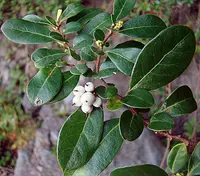
Mulch To Cool Roots

Apply a 5–8 cm layer of composted bark or leaf mold over the root zone, keeping it 5 cm away from the stem, to maintain even soil moisture and protect the shallow roots from summer heat and winter temperature swings.

Gentle Formative Training

During the first 3–5 years, lightly tie young stems to a discreet stake or fence wire to guide a balanced, upright framework and prevent the plant from leaning in soft or waterlogged ground.

Late-Frost Protection

In regions with late spring frosts, drape a breathable frost cloth or old sheet over the shrub on forecast frost nights to protect tender new growth from blackening and distortion.

Understory Companion Planting

Plant low, shade-tolerant groundcovers around the base to shade the soil surface, suppress weeds, and create a cooler, more stable root environment that supports long-term Azara integrifolia plant care.

Common Pests and Diseases

Scale insects

This pest attaches to young stems and leaf undersides, sucking sap and causing yellowing, leaf drop, and weak new growth. Symptoms include small, dome-shaped bumps that may exude sticky honeydew, which can lead to sooty mold on Azara integrifolia foliage.

Solution

Prune and discard heavily infested twigs, then wipe remaining scales off stems and leaves with a cotton pad dipped in diluted rubbing alcohol or insecticidal soap. Improve air circulation, avoid excess nitrogen fertilization that promotes soft growth, and repeat treatments every 7–10 days until new growth appears clean.

Aphids

These insects cluster on tender shoot tips and leaf undersides, distorting new growth and leaving a sticky residue that can support black sooty mold. This pest is most common on soft spring growth and in sheltered planting sites.

Solution

Spray affected shoots with a firm jet of water to dislodge colonies, then apply insecticidal soap or a light horticultural oil to young stems and leaf undersides. Encourage natural predators such as lady beetles by avoiding broad-spectrum insecticides and limit high-nitrogen feeding that drives lush, aphid-prone growth.

Leaf spot

This disease causes small brown or purple lesions on Azara integrifolia leaves, sometimes with yellow halos and premature leaf drop in humid or crowded plantings. Symptoms include more severe spotting on lower, shaded branches where foliage stays wet for longer periods.

Solution

Remove and discard affected leaves and any fallen debris around the base, then thin overcrowded branches to increase light penetration and air flow. Water at soil level rather than overhead and, if spotting progresses, apply a labeled copper or chlorothalonil-based fungicide during wet periods, following all label directions.

Botrytis blight

This disease develops under cool, damp conditions, causing soft, water-soaked lesions on leaves and young shoots that may become covered with gray, fuzzy mold. Symptoms include dieback of tender tips and failure of new growth after prolonged wet weather or poor air circulation.

Solution

Cut back and discard all affected tissues, sterilizing pruning tools between cuts, and improve airflow by thinning inner branches and reducing surrounding plant crowding. Avoid overhead watering, remove any plant debris around the base, and in persistently damp climates consider a preventative fungicide labeled for botrytis on ornamental shrubs.

Interesting Facts

Fragrant night flowers

This species bears small yellow flowers in clusters along the branches, and these are most strongly scented in the evening and at night, attracting nocturnal pollinating insects.

Native to southern Chile

It is naturally restricted to temperate forests of southern Chile, where it grows as a shrub or small tree in cool, moist, oceanic climates with mild winters.

Evergreen with glossy leaves

The plant keeps its foliage year-round and has relatively broad, glossy, dark-green leaves compared with several other Azara species, giving it a dense and lush appearance in suitable climates.

FAQs about goldspire

This shrub has a moderate growth rate, typically adding about 15–30 cm per year once established. Growth slows in poor soil, deep shade, or drought, and improves with consistent moisture, mulching, and light, balanced fertilization.

Grow Healthy Plants with Botan Care

Keep your plants happy and healthy with plant identification, disease detection, and easy care guidance.

Botan plant care app — identify plants on mobile

Explore More Plants