Wind-hardening seedlings
If starting from seed, expose young plants to gradually increasing wind and sun for 7–10 days before planting out, which helps develop sturdier stems and reduces transplant shock when growing Bat's wing coral tree.

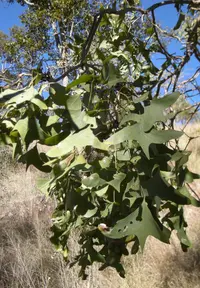
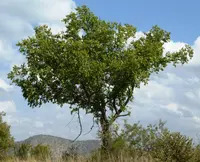
Bat's wing coral tree, Erythrina vespertilio, is a small to medium deciduous tree known for its distinctively bat-shaped leaflets and striking red-orange flowers. It forms a rounded, open canopy on a sturdy trunk with often corky or fissured bark.
This species is native to arid and semi-arid regions of northern and central Australia, where it is adapted to heat, sun, and drought. It grows relatively fast in warm climates but can be sensitive to frost, which influences how to care for Bat's wing coral tree in cooler areas.
The tree prefers full sun, well-drained soil, and only occasional deep watering once established, which generally makes it a low-maintenance choice in suitable climates.

Care Difficulty
Moderate Care

Light Preference
Full Sun

Water Requirements
Low Water

Temperature Preference
Warm Climate

Hardiness Zone
9–11

Soil Texture
Sandy, Loamy, Rocky

Soil pH
Slightly acidic (6.5–7.0), Neutral (7.0)

Soil Drainage
Well-drained

Fertilization
Minimal (feed rarely)
Scan your plant to receive care tips personalized for your specific plant
Available on iOS and Android
This sun-loving Australian tree performs best with strong light and seasonal heat.
This drought-tolerant tree prefers infrequent, deep watering rather than constant moisture.
This species is adapted to warm climates with hot summers and mild, frost-free winters.
Humidity is not a major factor for Erythrina vespertilio, which is naturally adapted to dry climates.
Erythrina vespertilio prefers lean, fast-draining soil that mimics dry, open habitats.
This species can be grown in large containers for some years if root space and drainage are carefully managed.
Erythrina vespertilio grows acceptably in poor soils but benefits from modest feeding in containers or depleted ground.
Pruning Erythrina vespertilio helps maintain a safe, open framework and supports flowering wood.
This species is usually grown as a landscape tree, so focus on correct transplanting rather than frequent repotting.
Erythrina vespertilio is commonly propagated from seed and sometimes from cuttings in warm conditions.
This warm-climate tree dislikes hard freezes and needs simple measures in colder regions.

Plant Health Check
Not sure what's wrong with your plant? Check your plant's health inside the app.
The leaves are divided into three distinct lobes, with the two outer lobes spreading like wings, which inspired both the common name bat's wing coral tree and the species name vespertilio, meaning bat-like.
In its native Australian habitats, this species can resprout from the base after bushfires, a trait that helps it persist in fire-prone savanna and open woodland ecosystems.
In northern Australia, this tree serves as a larval food plant for several butterflies, including species of crow butterflies (genus Euploea), supporting local insect biodiversity.

Aboriginal Australians have traditionally used the soft, light wood of this species to make items such as shields and other implements, taking advantage of its workability and low density.
The tubular red flowers produce abundant nectar and strongly attract birds, especially honeyeaters, along with native bees. In suitable climates it can be a valuable habitat and nectar source, supporting local pollinator diversity in dry and semi-arid gardens.
Keep your plants happy and healthy with plant identification, disease detection, and easy care guidance.