Egg-cone Pine Care (Pinus oocarpa)

Also known as: ocote chino, Mexican yellow pine, hazelnut pine
Egg-cone Pine

About Egg-cone Pine

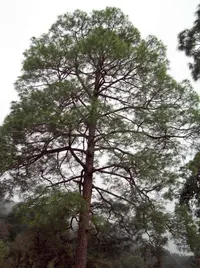
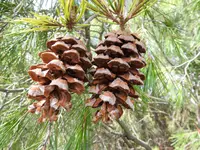
Egg-cone pine (Pinus oocarpa) is a medium to large evergreen tree from the pine family, forming an upright, conical to irregular crown as it matures. Its name refers to the distinctive egg-shaped cones, which hang along long, resinous branches lined with slender, bright to yellow-green needles.

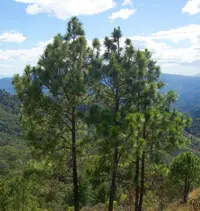
This species is native to Mexico and Central America, often growing on warm, dry to moderately moist mountain slopes. It is adapted to full sun, relatively poor, well-drained soils, and seasonal drought, which can make how to care for Egg-cone Pine more straightforward in similar climates.

In suitable outdoor conditions it grows fast and becomes a sizeable landscape or forestry tree, so it is not practical for small gardens or indoor use.

Main Plant Requirements

Care Difficulty

Moderate Care

Light Preference

Full Sun

Water Requirements

Low Water

Temperature Preference

Warm Climate

Hardiness Zone

9–11

Soil Texture

Sandy, Loamy, Rocky

Soil pH

Acidic (5.5–6.5), Slightly acidic (6.5–7.0)

Soil Drainage

Well-drained

Fertilization

Minimal (feed rarely)

Get Personalized Care Plan

Scan your plant to receive care tips personalized for your specific plant

Available on iOS and Android

How to Care for the Egg-cone Pine

This pine prefers bright, direct sun for strong growth and dense foliage.

  • Provide 6–8 hours of full sun daily; young Egg-cone Pine trees establish best in open, unshaded sites.
  • Tolerates light partial shade, especially in hot regions, but too much shade causes sparse, elongated growth and reduced cone production.
  • In very hot, dry climates, benefit from early-morning sun with slight afternoon shade to limit needle scorch and drought stress, especially during the first 2–3 years.

This species prefers well-drained soil and moderate moisture, especially while young.

  • Allow the top 3–5 cm of soil to dry between waterings; consistently soggy soil increases risk of root rot and yellowing needles.
  • During the first 2–3 years, water deeply when lower needles start to dull or curl slightly, then reduce frequency once Pinus oocarpa is well established.
  • In hot, dry seasons, increase deep watering but avoid shallow, frequent sprinkling, and always ensure fast drainage on slopes or mounds.

This pine is adapted to warm climates with mild cool seasons and limited frost.

  • Optimal growth occurs around 68–86°F (20–30°C), where shoots extend well and needles maintain good color and density.
  • Mature trees can tolerate brief drops near 25°F (-4°C), but young plants are more sensitive and benefit from protection from early or late frosts.
  • Handles heat up to about 95–100°F (35–38°C) if soil moisture is adequate; mulch the root zone to buffer temperature swings and reduce stress.

This pine tolerates a wide humidity range but prefers moderately dry air.

  • Aim for 30–50% humidity, similar to typical outdoor or indoor air in many homes.
  • It handles dry air well, but prolonged humidity above 70% increases risk of fungal issues on needles and bark.
  • Watch for persistent needle browning and tip dieback in very damp, stagnant air and improve ventilation instead of misting Egg-cone Pine.

Pinus oocarpa prefers sharply drained, low- to medium-fertility mineral soil.

  • Use a sandy or sandy-loam mix with coarse texture to keep water moving through the root zone.
  • Target slightly acidic pH around 5.5–6.5; avoid strongly alkaline or saline soils that limit nutrient uptake.
  • Combine roughly 50–60% coarse sand, 20–30% small bark chips, and 10–20% gritty materials such as perlite or pumice for aeration.
  • Avoid compacted, heavy clay or peat-heavy mixes that hold water for long periods and reduce oxygen around the roots.

This species can be grown in containers when kept as a young or dwarf specimen outdoors.

  • Choose a deep, heavy container that resists tipping as the tree becomes tall and wind-exposed.
  • Use a fast-draining, gritty mix and raise the pot slightly on feet or bricks so drainage holes never sit in pooled water.
  • Select light-colored pots in hot climates to reduce root-zone overheating and moisture loss on exposed patios or decks.

This pine usually grows well in lean soils, but moderate feeding supports faster, denser growth in young or container Egg-cone Pine trees.

  • Use a slow-release, balanced NPK fertilizer (around 10-10-10) or well-aged compost for trees under 10 years or in pots.
  • Apply once at the start of the warm growing season; in very poor soils a second light application mid-season is acceptable.
  • Dilute liquid feeds to 50% strength for container plants and water beforehand to limit root burn.
  • Skip or halve fertilizer rates in winter or during obvious dormancy to avoid weak, overly lush growth.

Pinus oocarpa needs minimal pruning, mainly for safety, structure, and clearance rather than shaping.

  • Prune in late winter or very early spring before active growth, avoiding heavy cuts in midsummer or fall.
  • Remove dead, diseased, storm-damaged, or crossing branches using sharp bypass pruners or a clean pruning saw.
  • Limit green-wood removal to a few branches to maintain strong structure and reduce stress on the tree.
  • On young trees, thinning crowded interior branches slightly can improve airflow and maintain a single, dominant leader.

This pine is usually grown in ground; focus on careful transplanting of young trees rather than frequent repotting.

  • Plan major transplanting for late winter to early spring while the tree is still dormant but soil is workable.
  • Look for roots circling the container, water running off quickly, or stalled height increase as signs a potted tree needs a larger pot.
  • Shift to a container 1–2 sizes larger with fast-draining, sandy or loamy soil, keeping the root flare at soil level.
  • Reduce root stress by watering deeply before and after transplanting, shading from intense sun for 1–2 weeks, and avoiding fertilizer for 4–6 weeks.

Sexual propagation is standard for this species, as cuttings root poorly and are rarely practical for Pinus oocarpa.

  • Use seeds collected from mature cones; allow cones to dry until scales open and release viable seeds.
  • Sow in late winter to early spring in a well-draining, sandy seed mix kept slightly moist but never waterlogged.
  • Provide bright light, good air movement, and temperatures around 65–75°F to support uniform germination and sturdy seedlings.
  • Once seedlings have several true needle clusters, gradually increase light and space them to prevent etiolation and crowding.

This is a warm-climate pine that dislikes hard freezes and benefits from basic winter protection in cooler regions.

  • In areas with frost risk, mulch 5–8 cm around the root zone, keeping mulch slightly away from the trunk.
  • For young trees, use breathable trunk wraps or burlap screens to limit bark cracking and needle scorch from freezing winds.
  • Move container plants to a sheltered, frost-free spot such as an unheated garage, cold frame, or bright porch in winter.
  • Water sparingly but do not allow roots to stay completely dry for long periods, especially in containers during cold, dry weather.

Care Tips

Wind-firm training

In the first 3–5 years, allow moderate exposure to wind and avoid staking unless absolutely necessary so the trunk and root flare develop strong, tapering wood that better resists storm damage.

Firebreak spacing

When planting multiple trees, maintain at least 4–6 m between trunks and keep the ground under the canopy free of dry brush and tall weeds to reduce fire risk around this resinous species.

Resin-aware pruning

Schedule any corrective pruning in late winter and keep cuts small and clean, as resin flow can attract insects; disinfect tools between trees to limit spread of pitch canker and other pathogens.

Drought hardening

Once the tree is established, gradually lengthen the interval between deep irrigations over 1–2 seasons to encourage deeper rooting and better drought tolerance rather than frequent light watering.

Seedling heat protection

For young nursery stock or seedlings, use 30–40% shade cloth or temporary shade from midday sun during hot, dry spells to prevent needle scorch and reduce transplant stress when growing Egg-cone Pine.

Common Pests and Diseases

Pitch canker

This disease causes resin-soaked cankers on shoots, branches, and sometimes the trunk, leading to dieback of new growth and reduced vigor. Symptoms include wilted or yellowing needles near the cankered area and heavy resin flow.

Solution

Prune out and destroy infected shoots and branches during dry weather, cutting at least 20–30 cm below visible symptoms, and disinfect pruning tools between cuts. Avoid wounding trees, reduce stress through proper watering and spacing, and in plantation or landscape settings use locally recommended resistant seed sources where available as part of broader Pinus oocarpa care instructions.

Damping-off

This disease affects seedlings, causing stem constriction at the soil line, collapse, and rapid death in nursery beds or containers. Symptoms include pale, water-soaked tissue at the base of young stems and patchy gaps in seedling trays or beds.

Solution

Improve drainage and airflow in nursery areas, avoid overwatering, and use clean, well-draining substrate for sowing. Apply a nursery-appropriate fungicide drench preventively where damping-off has been a problem, and remove and discard affected seedlings promptly to reduce pathogen spread.

Needle cast

This disease leads to browning and premature shedding of older needles, often starting in the lower crown and moving upward. Symptoms include discolored bands or spots on needles and thin, open foliage on affected branches.

Solution

Increase spacing and airflow around trees, avoid overhead irrigation in nurseries, and remove heavily infected lower branches or fallen needles where practical. In high-value plantings or nurseries, apply a pine-registered fungicide at bud break and early needle development according to local forestry or extension guidelines.

Pine needle scale

These insects appear as small white or grayish scale covers on needles, causing yellowing, reduced growth, and in heavy infestations partial defoliation. This pest weakens trees and can make them more susceptible to other stresses.

Solution

Prune and destroy heavily infested small branches if feasible and encourage natural predators by minimizing broad-spectrum insecticide use. Where damage is significant, apply a horticultural oil spray directed at the crawler stage, following local timing recommendations and avoiding high-temperature periods to prevent needle burn.

Bark beetles

These insects bore into the trunk and larger branches, creating galleries under the bark that disrupt water and nutrient flow, often leading to rapid decline and death in stressed trees. Symptoms include boring dust, pitch tubes on the bark, and sudden browning of the crown.

Solution

Maintain tree vigor through proper watering, spacing, and avoidance of mechanical damage, since healthy trees are more resistant. Promptly remove and destroy heavily infested or dead trees to reduce local beetle populations, and in high-risk areas consult local forestry or extension services about timing and need for targeted bark treatments or pheromone-based management.

Interesting Facts

Fire-adapted regeneration

This species produces serotinous cones that can remain closed for years and open widely after exposure to the intense heat of forest fires, releasing seeds onto freshly cleared soil.

Highland Central American pine

Pinus oocarpa is native to mid- to high-elevation dry forests from Mexico through Central America, where it forms extensive natural stands on seasonally dry, often nutrient-poor slopes.

Important reforestation species

Due to its relatively fast growth, drought tolerance, and ability to establish on degraded land, it is widely used in Central American reforestation and commercial forestry, especially for resin and construction timber.

Botan icon

Did you know?

In parts of its native range, this species forms natural hybrids with closely related pines such as Pinus patula, and these hybrid zones are used by researchers to study gene flow and adaptation in tropical highland conifers.

FAQs about Egg-cone Pine

This species is generally fast-growing for a pine, often adding 0.9–1.8 m in height per year under warm, well-watered, open conditions. Growth slows in poor soil, cooler climates, or if competing vegetation is not controlled.

Grow Healthy Plants with Botan Care

Keep your plants happy and healthy with plant identification, disease detection, and easy care guidance.

Botan plant care app — identify plants on mobile

Explore More Plants