Huon pine Care (Lagarostrobos franklinii)

Huon pine

About Huon pine

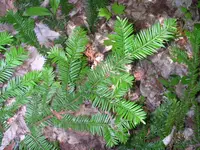
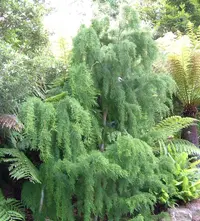
Huon pine, Lagarostrobos franklinii, is a very slow-growing, long-lived conifer native to cool, wet forests in western Tasmania. It is usually found along rivers and lakes, often forming dense, graceful stands. Its foliage is made of tiny overlapping scale-like leaves on thin, flexible branchlets, giving the plant a soft, feathery look. In cultivation it often grows as a small tree or large shrub. The wood is naturally rich in aromatic oils and highly resistant to decay, which contributes to its reputation and conservation importance. These traits, together with its slow growth, mean it is not a fast landscaping option. Gardeners who want to care for Huon pine should provide cool conditions, consistent moisture, and sharply drained, acidic soil to mimic its natural habitat as closely as possible.

Main Plant Requirements

Care Difficulty

Hard Care

Light Preference

Partial Shade

Water Requirements

Keep Soil Moist

Temperature Preference

Cool Climate

Hardiness Zone

8–10

Soil Texture

Loamy, Silty, Organic-rich

Soil pH

Strongly acidic (4.5–5.5), Acidic (5.5–6.5)

Soil Drainage

Moist but well-drained

Fertilization

Minimal (feed rarely)

Get Personalized Care Plan

Scan your plant to receive care tips personalized for your specific plant

Available on iOS and Android

How to Care for the Huon pine

This cool-climate conifer prefers soft, consistent light rather than harsh exposure.

  • Provide 3–6 hours of gentle light daily, with morning sun and afternoon shade or bright dappled light under taller trees.
  • Site Huon pine where it receives high, filtered light; avoid open, exposed positions with intense midday sun that can scorch needles and dry young foliage.
  • In hotter summers, increase shade from about 11 a.m.–3 p.m.; in cooler, cloudy regions, choose a brighter, more open spot to maintain dense growth.

This species evolved along wet river margins and prefers steadily moist but not stagnant soil.

  • Aim for evenly moist soil, allowing only the top 2–3 cm to lose surface sheen before the next soak, especially in the first 3–5 years after planting.
  • Ensure deep, slow watering so moisture reaches the root zone; soil should drain within a few hours without puddling or a sour, swampy smell.
  • In hot, dry periods, increase watering when foliage droops or tips feel dry; reduce slightly in cool seasons, watching for yellowing or blackening needles as signs of excess moisture.

This tree favors cool, mild conditions and dislikes temperature extremes.

  • Optimal growth occurs around 50–68°F (10–20°C), with steady moisture and shelter from drying winds to limit stress on young plants.
  • Mature trees tolerate brief drops near 20°F (-6°C), but repeated hard frosts can damage new growth, so shelter young Lagarostrobos franklinii in colder zones.
  • Heat above about 86°F (30°C) increases stress; provide shade, mulch, and consistent soil moisture during hot spells to protect roots and foliage.

This species prefers consistently moist air but adapts to average home humidity if other conditions are stable.

  • Aim for 50–70% humidity, especially for young or recently potted Huon pine.
  • Dry air can cause browning at needle tips and increased shedding of older foliage.
  • Group plants, use a pebble tray, or run a small humidifier nearby rather than misting foliage directly.

Lagarostrobos franklinii prefers cool, moist, well-drained, organic-rich soil that mimics a forest stream bank.

  • Use a loose mix of 50–60% fine pine bark, 20–30% peat or coco coir, and 10–20% perlite or coarse sand.
  • Ensure steady moisture with rapid drainage; the mix should feel damp but never waterlogged after irrigation.
  • Aim for slightly acidic conditions around pH 5.5–6.5 to support nutrient uptake and root health.
  • Avoid heavy clay, compacted ground, or lime-rich substrates that stay saturated or push pH toward alkaline levels.

This species can be grown in containers when young, provided the pot supports its moisture needs and root depth.

  • Choose a tall, stable pot that allows a deep, cool root zone rather than a shallow, wide container.
  • Use a thicker-walled or glazed pot if the site is sunny or windy, to slow moisture loss from the root zone.
  • Raise the container slightly on pot feet so drainage holes stay clear and runoff moves away from the base.

This slow-growing conifer has low nutrient demand but benefits from light feeding in containers or poor soils.

  • Use a balanced, slow-release fertilizer (around 10-10-10) or well-aged compost for Huon pine in spring.
  • Feed once at the start of the growing season; avoid multiple heavy applications.
  • Dilute liquid feeds to 1/2–1/4 strength to prevent root burn.
  • Stop fertilizing in late summer so new growth hardens before winter.

Pruning Lagarostrobos franklinii is usually minimal and aims to maintain health and structure rather than control size.

  • Carry out light pruning in late winter or very early spring, before new growth starts.
  • Remove only dead, diseased, or crossing branches, cutting back to healthy wood.
  • Use clean, sharp bypass pruners or a small saw for thicker stems to make smooth cuts.
  • Limit shaping cuts to minor tip trimming, since heavy pruning can distort the natural, weeping habit.

This species is most often grown in the ground, so focus on careful transplanting rather than frequent repotting.

  • Transplant young trees in late winter or early spring when soil is workable and growth is just starting.
  • Look for slowed growth, roots circling the root ball, or the plant becoming top-heavy in its container as signs to move it up 1 pot size.
  • Keep as much of the root ball intact as possible, watering thoroughly before and after moving to reduce root stress.
  • Provide shade, wind protection, and consistent moisture for several weeks after transplanting to support recovery.

Propagation of Lagarostrobos franklinii is slow and technically challenging, so it is not commonly attempted by beginners.

This cool-temperate conifer is moderately cold hardy and usually needs little winter attention once established in the ground.

  • In climates colder than its usual range, apply a 5–8 cm mulch layer around the root zone, keeping mulch off the trunk.
  • Shelter young or container plants from harsh wind, which can dry foliage in freezing weather.
  • Move pots into an unheated but frost-free space where temperatures stay just above freezing and soil does not dry out completely.

Care Tips

Mulch For Cool Roots

Apply a 5–8 cm layer of fine bark or pine needle mulch around the root zone to keep the shallow roots cool, suppress weeds, and maintain the evenly moist conditions this species prefers.

Shelter From Wind

Site plants where they are protected from strong, drying winds or use a windbreak fence, as persistent wind stress can distort young growth and increase moisture loss from the fine foliage.

Encourage Natural Form

Avoid heavy structural pruning and instead remove only dead or crossing branches, allowing the tree to develop its naturally pendulous habit, which improves light penetration and air movement through the canopy.

Streamside-Style Bed

To mimic its native riverside habitat, create a slightly depressed planting bed with organic-rich soil that captures extra moisture yet still drains freely, which supports long-term success when growing Huon pine.

Monitor For Root Disturbance

Keep traffic, digging, and heavy pots away from the drip line, since this species has sensitive, shallow roots that respond poorly to compaction and repeated disturbance.

Common Pests and Diseases

Phytophthora dieback

This disease causes progressive yellowing, wilting, and death of foliage and shoots, often starting on poorly drained or compacted sites. Symptoms include thinning crowns and branch dieback as feeder roots are destroyed.

Solution

Improve drainage, avoid waterlogging and soil disturbance around the root zone, and remove severely affected plants to reduce inoculum. In high‑value plantings, a licensed arborist may use trunk or soil-applied phosphite (phosphonate) treatments as part of broader Lagarostrobos franklinii care instructions, combined with strict hygiene such as cleaning tools and footwear to prevent spread.

Cypress tip blight

This disease leads to browning and death of young shoot tips, often starting at the lower canopy and moving upward, especially after periods of wet, cool weather. Symptoms include scattered dead twigs and a thin, irregular crown.

Solution

Prune out and dispose of infected tips during dry weather, cutting back into healthy green tissue, and disinfect tools between cuts. Improve air circulation by avoiding overcrowding, keep foliage as dry as possible with ground-level irrigation, and reduce stress through proper watering and mulching to increase resistance.

Scale insects

These insects attach to stems and sometimes leaves, feeding on sap and causing yellowing, reduced growth, and sticky honeydew that can attract sooty mold. This pest often appears on stressed or shaded specimens and can form dense clusters along small twigs.

Solution

Physically remove light infestations by gently scrubbing stems with a soft brush or cloth dipped in mild soapy water, then rinsing well. For heavier infestations, use horticultural oil or insecticidal soap applied thoroughly to all twig surfaces, repeat as needed, and improve plant vigor with correct watering and site conditions to reduce reinfestation risk.

Armillaria root disease

This disease causes gradual decline, sparse foliage, and dieback, often in sites with old tree stumps or woody debris in the soil. Symptoms include resin bleeding at the base, white fungal sheets under the bark, and decay in major roots.

Solution

Remove and destroy severely affected plants and as much infected root and stump material as practical to lower the fungal load in the soil. Replant only in well-drained sites, avoid wounding roots, and maintain good plant vigor with appropriate irrigation and mulch rather than placing Huon pine into heavily infested or poorly drained locations.

Interesting Facts

Ancient Gondwanan lineage

This Tasmanian conifer is a living remnant of the Gondwanan flora, with fossil relatives indicating that its lineage has persisted for tens of millions of years in cool, wet southern hemisphere forests.

Extremely decay‑resistant wood

Its pale, fine‑grained timber contains natural compounds that make it exceptionally resistant to fungal decay and insect attack, which historically led to heavy logging for boatbuilding and outdoor uses.

Slow growth, dense stands

Individuals grow very slowly yet can form dense, multi‑aged stands along river margins, where their shade‑tolerant seedlings establish under the canopy and gradually replace older trees over long time scales.

Botan icon

Did you know?

Huon pine trees are among the longest‑lived plants on Earth, with individual stems known to exceed 2,000 years in age and genetically continuous clonal colonies on riverbanks estimated, through growth ring studies and stand structure, to have persisted for many thousands of years.

FAQs about Huon pine

This species grows extremely slowly, often less than 2–5 cm per year in gardens. Growth is faster in youth, then gradually slows. Expect very gradual size increase, even under ideal moisture, soil, and temperature conditions.

Grow Healthy Plants with Botan Care

Keep your plants happy and healthy with plant identification, disease detection, and easy care guidance.

Botan plant care app — identify plants on mobile

Explore More Plants