Siberian Larch Care (Larix sibirica)

Siberian Larch

About Siberian Larch

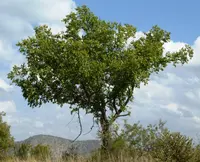
Siberian larch, Larix sibirica, is a cold-hardy deciduous conifer that drops its needles in winter and develops fresh soft green needles each spring. It forms a tall, upright tree with a straight trunk, fine branches, and light, airy foliage that turns golden yellow in autumn.

This species is native to Siberia and other cold regions of northern Asia, where it grows in vast boreal forests on poor, often cold soils. It is generally tough and long-lived but needs ample light, space, and cool conditions, so how to care for Siberian Larch outdoors is easier than keeping it in warm urban yards.

The tree prefers full sun, cool to cold winters, and well-drained, slightly acidic soil with consistent moisture but no standing water.

Main Plant Requirements

Care Difficulty

Moderate Care

Light Preference

Full Sun

Water Requirements

Moderate Water

Temperature Preference

Cold Hardy

Hardiness Zone

1–5

Soil Texture

Sandy, Loamy, Silty

Soil pH

Strongly acidic (4.5–5.5), Acidic (5.5–6.5)

Soil Drainage

Moist but well-drained

Fertilization

Minimal (feed rarely)

Get Personalized Care Plan

Scan your plant to receive care tips personalized for your specific plant

Available on iOS and Android

How to Care for the Siberian Larch

This cold-hardy conifer thrives in open, bright sites with strong seasonal light changes.

  • Provide full sun for 6–8 hours daily; young trees benefit from gentle morning to mid-afternoon sun while establishing.
  • Tolerates light partial shade (3–4 hours sun), but long-term shade reduces density and may cause sparse, elongated shoots.
  • In hot summers, avoid intense reflected afternoon heat from walls or pavement, which can scorch tender new needles, especially on recently planted Siberian Larch.

This species prefers consistently moist, cool soil but reacts poorly to prolonged saturation.

  • Allow the top 3–5 cm of soil to dry slightly before deep watering, focusing on slow soaking of the root zone rather than frequent light sprinkling.
  • During the first 2–3 years, monitor closely in late spring–summer; wilting tips and dry, brittle needles indicate underwatering, while yellowing needles on lower branches may signal waterlogging.
  • Plant in well-drained, slightly acidic soil; avoid compacted or standing-water sites that lead to root rot, especially in heavy clay or low-lying areas.

This hardy conifer is adapted to cold climates with long winters and cool summers.

  • Active growth is strongest at 50–68°F (10–20°C), with good performance in cool, bright spring and early summer conditions.
  • Fully dormant trees tolerate severe cold down to about -40°F (-40°C) or lower, provided soil is not waterlogged going into winter.
  • Mature trees handle brief heat up to about 86°F (30°C) if soil moisture is maintained; extended hot, dry periods can cause needle browning, so prioritize mulch and root-zone cooling.

This conifer tolerates a wide humidity range and rarely needs special humidity management outdoors.

  • Aim for ambient outdoor humidity around 30–70%, which covers most temperate climates where Siberian Larch grows well.
  • Dry air is usually tolerated, but prolonged hot, very dry winds can brown new needles at the tips.
  • If grown in an unusually dry, exposed site, reduce stress by using windbreaks or nearby shrubs to slightly buffer moisture loss.

Larix sibirica prefers cool, moist, well-aerated soil that does not stay waterlogged.

  • Use a loamy or sandy-loam soil with moderate organic matter to combine moisture retention with free drainage.
  • Aim for slightly acidic to neutral pH, around 5.5–7.0, which supports balanced nutrient uptake and root health.
  • In planting mixes, combine garden loam with compost and coarse sand or fine bark to improve structure and aeration.
  • Avoid heavy clay or compacted sites; if unavoidable, raise the planting area and add coarse mineral material to prevent standing water.

This species can be grown in containers for some years, but only with careful attention to root space and stability.

  • Choose a deep, heavy pot to prevent tipping, since developing trees become tall and can act like a sail in wind.
  • Select a mineral-rich, fast-draining mix and elevate the pot slightly so drainage holes never sit directly in collected water.
  • Position the container where wind exposure is reduced, as constrained roots make the plant more vulnerable to being rocked or loosened.

This cold-climate conifer grows well in reasonably fertile soil and only modest fertilization is needed for healthy Larix sibirica growth.

  • Use a balanced slow-release fertilizer (such as 10-10-10) or well-rotted compost once in early spring, just before bud break.
  • Apply at 1/2 the label rate for trees in average soil, and skip feeding on very rich or newly improved sites.
  • Limit feeding to the active growing season only; do not apply fertilizer in late summer or fall to avoid soft, frost-sensitive growth.
  • Avoid fertilizing during winter dormancy; nutrients are not taken up efficiently and excess salts can build in the soil.

Pruning Larix sibirica is usually light, aimed at safety and structure rather than shaping it tightly.

  • Carry out structural and cleanup pruning in late winter or very early spring, before new growth starts.
  • Remove dead, diseased, broken, or rubbing branches with clean, sharp bypass pruners or a pruning saw.
  • Thin severely crowded interior branches selectively to improve light penetration and airflow, not by shearing the outline.
  • Limit cuts to smaller branches where possible; heavy topping or drastic reshaping weakens the tree and causes poor form.

This species is usually grown in the ground; container plants and young field trees need careful, infrequent transplanting to avoid root stress.

  • Check for roots circling the pot, dense root mass, or stalled growth as signs a potted tree needs a larger container or planting out.
  • Schedule transplanting for late winter to early spring while Larix sibirica is dormant and soil is workable but not waterlogged.
  • Move up only 1 pot size or plant into open ground with well-drained soil, keeping the root collar at the original level.
  • Minimize root disturbance, water thoroughly after planting, and provide wind protection and consistent moisture during the first 1–2 growing seasons.

Propagation of Larix sibirica is typically done from seed and is considered slow, especially for home growers.

  • Collect ripe cones in late summer to early fall, then dry and extract seeds for storage until late winter or early spring sowing.
  • Stratify seeds cold at 34–41°F for about 4–6 weeks in moist medium to break dormancy and improve germination.
  • Sow in a free-draining, low-nutrient mix, keep evenly moist, and provide bright, cool conditions to reduce damping-off risk.
  • Semi-hardwood cuttings can root with hormone and high humidity, but success rates are low and rooting is slow.

This hardy deciduous conifer tolerates very low winter temperatures and usually needs minimal winter care in the ground.

  • Expect needles to yellow and drop in fall; this is normal dormancy, not winter damage.
  • Apply a 5–8 cm mulch layer around the root zone in late fall, keeping it away from the trunk to stabilize soil temperature.
  • For container-grown trees, use a large, insulated pot and group or wrap containers, or move them into an unheated but frost-free shelter.

Care Tips

Early leader training

In the first 3–5 years, select a single strong central leader and gently stake it if needed to prevent double leaders, which helps the tree develop a stable, straight trunk.


Root flare inspection

At planting and every few years, clear soil and mulch away from the trunk base until the root flare is just visible, which reduces risk of rot and girdling roots that can destabilize mature trees.

Snow load management

In regions with heavy, wet snow, gently brush accumulated snow off young, flexible branches to prevent bending and breakage, especially on lower whorls.

Wind exposure conditioning

When possible, establish young trees in a spot with some shelter, then gradually thin temporary windbreaks over 3–5 years so the tree adapts to full wind without sudden stress.

Seasonal needle cleanup

During autumn needle drop, rake and remove most fallen needles from directly under the canopy to reduce fungal spore buildup while still allowing some to decompose and lightly mulch the root zone, which supports long-term health when growing Siberian Larch.

Common Pests and Diseases

Larch casebearer

This pest is a small moth whose larvae mine and feed inside the needles, causing browning, premature needle drop, and sparse, thinned crowns.

Solution

Prune out and destroy heavily infested branches where practical, and encourage natural predators by avoiding broad-spectrum insecticides. In larger or high-value trees, targeted treatment with a registered systemic insecticide timed to larval emergence is most effective; local forestry or extension services can advise on timing for Larix sibirica care instructions in your region.

Larch sawfly

These insects are non-true flies whose greenish larvae feed on needles in groups, often stripping branches and giving trees a scorched, bare look.

Solution

When infestations are small, shake or prune off affected branch tips and destroy larvae. For heavier outbreaks, apply a biological insecticide containing Bacillus thuringiensis (Bt) or spinosad to young larvae, following label directions and ensuring thorough coverage of the foliage.

Larch needle cast

This disease is caused by fungi that infect new needles, leading to yellowing, browning, and early needle drop, often leaving only the current season’s growth at branch tips.

Solution

Rake and remove fallen needles to reduce fungal spore levels and improve air circulation around the tree by avoiding crowding and heavy shading. In areas with recurring severe infections, a preventive fungicide labeled for conifer needle cast may be applied in spring as new needles emerge, timed according to local extension guidance.

Larch canker

This disease produces sunken, dead patches (cankers) on branches and stems, often with resin flow and dieback of affected shoots beyond the lesion.

Solution

Prune out infected branches several inches below visible cankers during dry weather, disinfecting tools between cuts with alcohol or a bleach solution. Avoid wounding the trunk and maintain overall tree vigor through proper watering and avoiding soil compaction, since stressed trees are more susceptible.

Bark beetles

These insects bore into the bark and inner wood, creating galleries that disrupt water flow and can introduce staining or pathogenic fungi, leading to dieback or whole-tree decline, especially in stressed trees.

Solution

Reduce stress by avoiding drought, mechanical damage, and soil compaction, since healthy larches are less attractive to beetles. Promptly remove and dispose of heavily infested or recently dead trees, and in high-risk areas consider preventive trunk sprays or, for valuable specimens, systemic treatments recommended by a certified arborist.

Interesting Facts

Extreme cold tolerance

This species is native to Siberia and can survive winter temperatures below −50°C, thanks to deep dormancy and very hardy buds and tissues that resist freezing damage.

Deciduous conifer habit

Unlike most conifers, this larch sheds its soft, needle-like leaves every autumn, forming yellow-gold foliage before dropping needles and remaining bare through winter.

Key permafrost stabilizer

Siberian larch often grows on permafrost soils, where its roots and litter help stabilize the active soil layer and influence soil temperature and moisture dynamics in boreal forests.

Botan icon

Did you know?

Wood from this species is naturally durable and resin-rich, so it has been traditionally used in Siberia for long-lasting structures such as houses, bridges, and railway sleepers, especially where resistance to rot and harsh weather is required.

FAQs about Siberian Larch

Yellowing and needle drop in this species are usually normal in autumn, since it is a deciduous conifer. Out-of-season yellowing can indicate root stress, poor drainage, compacted soil, nutrient deficiency, or damage from drought, road salt, or pests.

Grow Healthy Plants with Botan Care

Keep your plants happy and healthy with plant identification, disease detection, and easy care guidance.

Botan plant care app — identify plants on mobile

Explore More Plants