Early pinching
Pinch out the main shoot tip when plants are 10–15 cm tall to encourage sturdier, multi-stemmed growth that produces more usable flowering spikes.

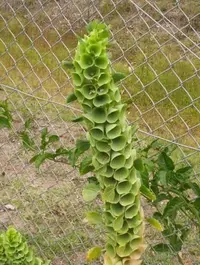
Shellflower, Moluccella laevis, is an upright annual grown mainly for its striking green bell-shaped calyces that surround tiny white flowers. Stems are tall, architectural, and often used in fresh or dried arrangements.
This plant is native to the eastern Mediterranean and western Asia, where it grows in sunny, open areas with well-drained soils. It is moderately easy to grow but can be sensitive to waterlogging and high humidity, which may lead to fungal issues.
Gardeners who care for shellflower usually provide full sun, regular but not excessive moisture, and soil that drains well to keep stems strong and healthy.

Care Difficulty
Moderate Care

Light Preference
Full Sun

Water Requirements
Moderate Water

Temperature Preference
Cool Climate

Hardiness Zone
6–9

Soil Texture
Sandy, Loamy, Organic-rich

Soil pH
Slightly acidic (6.5–7.0), Neutral (7.0)

Soil Drainage
Well-drained

Fertilization
Light (every 4–6 weeks)
Scan your plant to receive care tips personalized for your specific plant
Available on iOS and Android
Moluccella laevis performs best in full sun with some protection from extreme afternoon heat.
This species prefers evenly moist but not saturated soil during active growth.
This annual thrives in mild to warm conditions and is sensitive to frost.
This species grows well in typical outdoor humidity and does not need special humidity control.
This annual prefers loose, well-drained soil that stays evenly moist but never waterlogged.
This species can be grown successfully in containers if pot choice supports its tall, upright habit.
This annual needs only light feeding, as shellflower performs well in reasonably fertile soil.
Pruning helps keep Moluccella laevis stems upright and flowering well through the season.
This species is usually grown as a direct-sown annual, but young starts can be transplanted with care.
Moluccella laevis is most commonly propagated from seeds, which suit its annual life cycle.
As a cool-season annual that dies after flowering, this plant generally needs no special winter care.

Plant Health Check
Not sure what's wrong with your plant? Check your plant's health inside the app.
The showy green bells are actually papery bracts that surround tiny white true flowers inside, which are only noticed at close range. These bracts persist long after the flowers fade and are the main ornamental feature of the plant.
This species belongs to the Lamiaceae (mint family) and shows typical family traits such as square stems and opposite leaves, even though it has little or no noticeable mint scent. Its floral structure and fruit type also align with the mint family, helping botanists classify it securely.
In suitable temperate climates with dry summers and free-draining soil, this annual can readily self-seed and return year after year. The dry, persistent flower spikes shed numerous small seeds that germinate in disturbed, open ground.

The common name bells of Ireland reflects its long-standing popularity in European and North American cut-flower traditions, where the green spikes are valued in floral design as a natural way to add green color without relying on foliage alone.
Lack of flowers usually comes from too much shade, excess nitrogen fertilizer, or planting too late in the season. Ensure full sun, moderate feeding, and avoid rich, overly wet soil to support strong bud and bract formation.
Keep your plants happy and healthy with plant identification, disease detection, and easy care guidance.