yellow wild indigo Care (Baptisia sphaerocarpa)

Also known as: Round Wild Indigo
yellow wild indigo

About yellow wild indigo

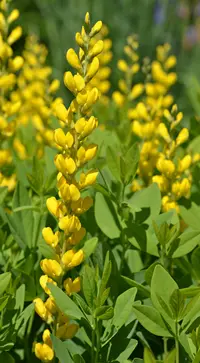
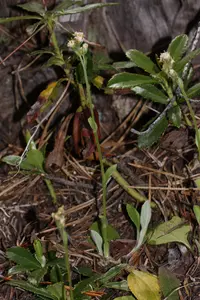
Yellow wild indigo (Baptisia sphaerocarpa) is a long-lived perennial from the prairie and open woodland edges of the south-central United States. It forms a dense, rounded clump with many upright stems and bright yellow pea-like flowers in late spring.

The foliage is blue-green and fine-textured, followed by decorative seed pods that add interest later in the season. Once established, it develops a deep root system that makes it very drought-tolerant and suited to low-maintenance gardens.

It adapts best to full sun, well-drained soil, and relatively dry conditions, which generally makes it straightforward to care for yellow wild indigo when planted in an appropriate site.

Main Plant Requirements

Care Difficulty

Easy Care

Light Preference

Full Sun

Water Requirements

Low Water

Temperature Preference

Cold Hardy

Hardiness Zone

5–9

Soil Texture

Sandy, Loamy, Clay

Soil pH

Slightly acidic (6.5–7.0), Neutral (7.0)

Soil Drainage

Well-drained

Fertilization

Minimal (feed rarely)

Get Personalized Care Plan

Scan your plant to receive care tips personalized for your specific plant

Available on iOS and Android

How to Care for the yellow wild indigo

Baptisia sphaerocarpa grows best in open, bright conditions typical of prairie or meadow sites.

  • Provide full sun for 6–8 hours per day; flowering and compact growth are strongest with unshaded exposure.
  • Plant can tolerate light afternoon shade, especially in hotter regions, but flowering may lessen if it receives under 4–5 hours of direct sun.
  • Young plants of yellow wild indigo benefit from protection from reflected heat off pavement, which can scorch foliage during peak summer sun.

This deep-rooted perennial prefers dry to moderately moist soil and resents frequent, shallow watering.

  • Water only when the top 4–6 cm of soil feels dry, then soak deeply so moisture reaches the root zone, especially during the first 1–2 years.
  • In established garden plantings of Baptisia sphaerocarpa, reduce watering in fall and usually skip supplemental water in winter unless there is prolonged drought.
  • Watch for overwatering signs such as yellowing lower leaves and soft stems; crisp leaf edges and premature leaf drop indicate prolonged dryness in new plantings.

This species is adapted to continental climates with cold winters and warm to hot summers.

  • Active growth and flowering occur best around 65–80°F (18–27°C), matching typical late spring and early summer conditions in many temperate regions.
  • Established plants tolerate winter lows near -20°F (-29°C) when planted in the ground and mulched lightly, entering full dormancy after hard frosts.
  • During summer, plants handle heat up to about 95°F (35°C) if soil is well drained; extended extreme heat with drought can shorten bloom duration.

Humidity is rarely a concern for this prairie legume in home landscapes.

This deep-rooted perennial prefers lean, well-drained soil that does not stay wet after rain.

  • Use a sandy or sandy-loam mix with 20–30% mineral grit (coarse sand or fine gravel) to keep pores open around the root zone.
  • Aim for slightly acidic to neutral pH, around 6.0–7.5, which suits Baptisia sphaerocarpa nutrient uptake and nodule-forming root bacteria.
  • Blend in only a small amount of compost (10–15%) so the mix stays lean and does not become water-retentive and heavy.
  • Avoid compacted clay, peat-heavy mixes, or any soil that forms puddles, since prolonged saturation promotes root rot and weak growth.

This species is generally unsuited to long-term container culture due to its deep, extensive root system.

This deep-rooted legume usually needs little feeding, but light fertilization can support container plants or poor soils when caring for yellow wild indigo.

  • Use a balanced, slow-release fertilizer (around 10-10-10) or a thin layer of compost in early spring as growth starts.
  • Apply once per growing season for in-ground plants; container specimens may benefit from a second light application in midsummer.
  • Use fertilizers at 1/2 strength to avoid lush, floppy growth and nutrient buildup in the soil.
  • Do not feed during winter dormancy, as inactive roots will not use added nutrients.

Pruning Baptisia sphaerocarpa is light and mainly focused on cleanup and maintaining a tidy clump.

  • Cut back dead flower spikes after blooming in late spring or early summer to neaten appearance, though it is optional for seed interest.
  • Remove dead, damaged, or crossing stems in late winter or very early spring using sharp hand pruners.
  • Shear the entire plant to 5–10 cm above the ground in late fall or late winter to refresh dense, bushy growth.
  • Avoid heavy in-season cutting, which can reduce flowering and disturb the plant’s natural vase-shaped form.

This species develops a deep taproot and dislikes disturbance, so transplanting should be rare and carefully planned.

  • Transplant only when necessary, such as severely root-bound containers with circling roots or very poor original site choice.
  • Schedule moves for early spring or early fall, when temperatures are mild and the plant is not in peak growth or bloom.
  • Plan for a long-term location; expect to transplant or up-pot at most every several years, not on a frequent cycle.
  • Dig a wide, deep hole, keep the root ball intact, water thoroughly after planting, and mulch lightly to reduce root stress and moisture loss.

Reproducing this plant is possible but somewhat slow, with seed propagation more common than division.

  • Collect mature pods and sow seeds in fall outdoors or after 6–8 weeks of cold stratification in the refrigerator.
  • Scarify hard seed coats gently with sandpaper, then sow in a well-drained, gritty mix kept slightly moist and bright.
  • Expect slow germination and growth; seedlings may take several years to reach flowering size in the garden.
  • Avoid frequent division, as established plants have deep taproots and respond poorly to being split or moved.

This hardy perennial usually needs minimal winter care in typical temperate climates.

  • Baptisia sphaerocarpa tolerates freezing temperatures once established, with top growth naturally dying back after frost.
  • After stems brown, cut them down to near ground level to reduce disease carryover and keep beds tidy.
  • Apply a light 5–7 cm mulch layer over the root zone in cold regions to moderate soil temperature and moisture.
  • Move container-grown plants into a sheltered, unheated but frost-free area if pots are small or at risk of repeated deep freezing.

Care Tips

Permanent site choice

Select a long-term planting site from the start, as mature plants resent moving due to their deep, woody taproot and often decline if transplanted after 2–3 years in place.

Early-season staking

Install low, discreet ring stakes or peony hoops in early spring before stems reach 20–25 cm to prevent mature clumps from flopping after heavy rain or strong wind.

Weed-suppressing mulch

Apply a 5–7 cm layer of coarse, un-dyed mulch around but not touching the crown to suppress weeds while allowing the crown to stay dry and well-aerated.

Seedpod management

Decide whether to leave pods for ornamental winter interest and wildlife or cut them promptly after they turn black if you want to reduce self-seeding and keep borders tidy.

Inoculate for vigor

When planting in a new bed with no legume history, dust the root zone with a rhizobium legume inoculant labeled for Baptisia relatives to support nitrogen-fixing nodules and overall vigor when growing yellow wild indigo.

Common Pests and Diseases

Baptisia pod borer

This pest is a small caterpillar that tunnels inside developing seed pods, causing them to become misshapen, brown, and often fail to mature viable seed. Symptoms include small entry holes and frass on or near the pods.

Solution

Prune and discard infested pods as soon as damage is noticed to break the life cycle, and clean up all spent stems and pods in fall to remove overwintering stages. In gardens where seed production is not needed, cutting back most seed pods after flowering greatly reduces future problems and is usually sufficient Baptisia sphaerocarpa care.

Genista broom moth

This pest is a defoliating caterpillar that feeds on foliage of yellow wild indigo, sometimes leaving skeletonized leaves and light webbing. Symptoms include chewed leaf margins, clusters of caterpillars, and frass under the plant.

Solution

Handpick caterpillars and clip off heavily infested stems, disposing of them in the trash. In larger plantings, encourage natural predators by avoiding broad-spectrum insecticides and, if needed, use a targeted biological product containing Bacillus thuringiensis (Bt) on young larvae according to label directions.

Fungal leaf spots

This disease causes small brown or black spots on leaves, sometimes with yellow halos, which may merge into larger blotches in extended periods of wet weather. Symptoms include premature leaf drop on lower stems, especially where air circulation is poor.

Solution

Remove and discard affected leaves and any fallen debris around the plant to reduce spores, and water at the base in the morning to keep foliage dry. If wet, crowded conditions persist, improve spacing and airflow; in severe, recurring cases, a labeled ornamental fungicide can be used preventively early in the growing season.

Powdery mildew

This disease appears as a white or gray powdery coating on leaves, stems, and sometimes flower stalks, which can cause distorted growth and early leaf drop in shaded or crowded sites. Symptoms include dull, faded foliage and a dusty residue that wipes off on fingers.

Solution

Increase sun exposure and airflow by thinning nearby plants and avoiding overhead watering, then remove the worst-affected shoots and dispose of them. In gardens with yearly issues, start a preventive program with a horticultural oil or sulfur-based product labeled for powdery mildew, applying during dry, mild weather according to directions.

Interesting Facts

Distinct spherical seed pods

The plant develops nearly round, inflated seed pods that mature from green to tan or brown and often rattle in the wind when dry, which helps disperse the hard-coated seeds over short distances.

Specialized prairie legume

This species is native to prairies and open glades of the south-central United States and forms a deep, long-lived root system that anchors it in drought-prone, seasonally hot grasslands.

Nitrogen-fixing root nodules

Like many legumes, it forms root nodules containing symbiotic bacteria that convert atmospheric nitrogen into a usable form, gradually enriching poor soils where it grows.

Botan icon

Did you know?

The foliage and tough stems become increasingly woody and shrub-like with age, allowing established plants to survive for decades as long-lived clump-forming perennials in stable prairie and meadow habitats.

FAQs about yellow wild indigo

This species is highly attractive to native bees, bumblebees, and some butterflies. Dense flower spikes offer reliable nectar and pollen in late spring, supporting pollinators and enhancing overall garden biodiversity in sunny, low-maintenance plantings.

Grow Healthy Plants with Botan Care

Keep your plants happy and healthy with plant identification, disease detection, and easy care guidance.

Botan plant care app — identify plants on mobile

Explore More Plants