Howell's pussytoes Care (Antennaria howellii)

Also known as: Small Pussytoes, Field Pussytoes
Howell's pussytoes

About Howell's pussytoes

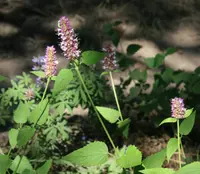
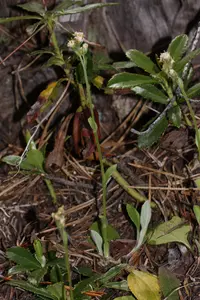
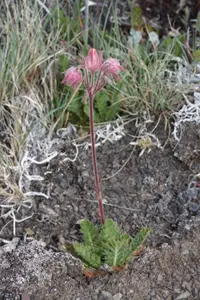
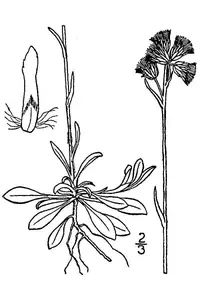
Howell's pussytoes (Antennaria howellii) is a low-growing, mat-forming perennial in the aster family, often used as a ground cover. It has silvery, fuzzy leaves and small, white to pinkish flower clusters that resemble tiny cat paws.

This species is native to North America, commonly found in dry meadows, rocky slopes, and open woods. It is adapted to lean, well-drained soils and generally prefers full sun to light shade.

Once established, it is drought tolerant and slow spreading, which makes it relatively easy to manage. Gardeners who want to care for Howell's pussytoes should focus on avoiding heavy, waterlogged soil and excessive fertilizing.

Main Plant Requirements

Care Difficulty

Easy Care

Light Preference

Full Sun

Water Requirements

Low Water

Temperature Preference

Cold Hardy

Hardiness Zone

3–8

Soil Texture

Sandy, Loamy, Rocky

Soil pH

Slightly acidic (6.5–7.0), Neutral (7.0)

Soil Drainage

Well-drained

Fertilization

Minimal (feed rarely)

Get Personalized Care Plan

Scan your plant to receive care tips personalized for your specific plant

Available on iOS and Android

How to Care for the Howell's pussytoes

This alpine perennial prefers open, sunny conditions but copes with light shade in warmer regions.

  • Provide 6–8 hours of direct sun daily, ideally with morning sun and light afternoon shade in hotter climates to prevent leaf scorch.
  • Allow partial shade (3–4 hours sun) in regions with intense summer sun; in cooler areas it tolerates full sun all day.
  • If Howell's pussytoes becomes leggy or flowers sparsely, it is likely not receiving enough direct sunlight, especially in spring and early summer.

This species is drought-tolerant and prefers slightly dry, fast-draining soil.

  • Let the top 3–5 cm of soil dry out completely between waterings, then water deeply so moisture reaches the root zone.
  • Reduce watering in cool or rainy seasons; in hot, dry periods, monitor foliage for wilting or dull color as a cue to water.
  • Use sharply drained, sandy or gritty soil to prevent waterlogging; yellowing, mushy leaves or a rotten crown indicate overwatering in Antennaria howellii.

This hardy groundcover tolerates a wide temperature range but grows best in cool to moderate conditions.

  • Active growth is strongest at 55–75°F (13–24°C), with good flowering in cool springs and mild summers.
  • Established plants typically survive down to about -20°F (-29°C) under mulch or snow cover, making them suitable for many cold-winter climates.
  • Heat tolerance is moderate; above 85–90°F (29–32°C), provide light afternoon shade and avoid heat-reflecting surfaces to reduce stress and desiccation.

This species prefers dry, airy conditions and does not rely on elevated humidity.

Soil for Antennaria howellii should be lean, fast-draining, and slightly gritty.

  • Use sandy or gravelly loam with low organic matter to mimic its native rocky habitats.
  • Ensure very sharp drainage by blending mineral materials such as coarse sand, fine gravel, and a small portion of compost.
  • Keep pH slightly acidic to neutral (pH 6.0–7.0), avoiding strongly acidic or alkaline mixes.
  • Avoid dense, water-retentive clay or peat-heavy substrates that stay wet and reduce root aeration.

This species can be grown in containers if drainage is managed carefully.

  • Choose a wide, shallow pot to match its spreading mat-forming habit and prevent water pooling around roots.
  • Use a gritty mix with high mineral content so runoff is rapid and the root zone dries between waterings.
  • Select unglazed clay containers to help excess moisture evaporate in cool or wet climates.

This nutrient-efficient native groundcover needs minimal feeding in typical garden soils.

  • Apply a light layer of compost around plants in early spring to support steady growth.
  • If growth appears weak on poor soil, use a balanced, slow-release fertilizer (such as 10-10-10) at half strength once in spring.
  • Avoid summer and winter feeding, as Howell's pussytoes prefers lean conditions and excess nutrients can reduce its compact form.

Pruning Antennaria howellii is simple and focuses on keeping the mat dense and tidy.

  • In late spring or after flowering, shear off spent flower stalks with clean scissors or hand pruners.
  • Remove dead or winter-damaged foliage at the start of the growing season to refresh the clump.
  • Trim back thin, straggling runners to maintain compact growth and defined edges.
  • Disinfect cutting tools before and after use to limit disease spread in dense plantings.

This species is usually grown in the ground, with transplanting more common than container repotting.

  • Transplant in early spring or early fall when temperatures are mild to limit stress.
  • Move plants when clumps outgrow their space, decline in the center, or when roots fill a small container.
  • Lift mats gently with a trowel, keeping roots and attached soil intact, and replant at the same depth.
  • Water thoroughly after transplanting, then keep soil lightly moist for 1–2 weeks until growth resumes.

Antennaria howellii is commonly multiplied by division, runners, or seed under suitable conditions.

  • Divide established clumps in early spring or early fall, separating rooted sections by hand or with a clean knife.
  • Replant divisions in well-drained soil, spacing them so rosettes are not crowded and watering until established.
  • Pin down rooted runners into nearby soil to form new plants, then detach once well anchored.
  • Sow fresh seeds on the soil surface in fall or late winter, keeping them bright and barely moist for germination.

This cold-hardy perennial usually requires little winter care in its outdoor hardiness range.

  • Plants tolerate typical frosts in temperate climates once established, especially in well-drained soil.
  • In colder or exposed sites, a light, dry mulch around the root zone helps prevent freeze–thaw heaving.
  • Container-grown plants benefit from moving to a sheltered, unheated area where soil does not stay waterlogged.

Care Tips

Encourage Dense Mats

Lightly pinch back the tips of longer runners in early spring to promote branching, which helps the plant form a thicker, more weed-suppressing groundcover.

Gravel Mulch Use

Top-dress around the crowns with a thin (0.5–1 in) layer of coarse gravel rather than organic mulch to keep foliage dry, reduce crown rot risk, and mimic the plant’s natural rocky habitat.

Weed Pressure Control

Hand-weed carefully during the first 1–2 seasons, removing competitors before they shade the rosettes, so the slow-spreading patches can establish a stable, low-maintenance cover.

Divide For Renewal

Every 3–4 years, lift and divide older, bare-centered clumps in early spring, replanting only the healthiest outer rosettes to maintain vigor and extend the planting.

Winter Drainage Check

Before winter, confirm that planting areas do not collect standing water and, if needed, slightly mound the soil so the crowns sit just above grade, which is critical for caring for Howell's pussytoes in wet climates.

Common Pests and Diseases

Powdery mildew

This disease appears in humid, stagnant conditions as a white, powdery coating on the narrow leaves and sometimes on stems, reducing vigor and spoiling the plant’s mat-forming look.

Solution

Improve air circulation around the planting, avoid overhead watering, and water early in the day so foliage dries quickly; remove and discard heavily infected foliage and, if needed, apply a sulfur or potassium bicarbonate fungicide labeled for ornamental perennials according to directions.

Leaf spot

This disease causes scattered brown to dark purple spots on leaves, which may merge and cause premature dieback in dense groundcover patches.

Solution

Thin or divide crowded clumps to improve airflow, avoid wetting the foliage, promptly remove and dispose of affected leaves, and in persistent cases use a copper-based or chlorothalonil fungicide labeled for ornamental groundcovers, following label safety instructions.

Aphids

These insects sometimes cluster on young shoots and flower stalks, sucking sap and causing distortion, sticky honeydew, and occasional sooty mold on the low foliage.

Solution

Dislodge colonies with a firm stream of water, encourage natural predators such as lady beetles by avoiding broad-spectrum insecticides nearby, and if needed use insecticidal soap or a light horticultural oil sprayed thoroughly on affected shoots, repeating as the label advises.

Spider mites

This pest becomes more frequent in hot, dry sites, causing fine stippling, dulling of the gray-green foliage, and very fine webbing between leaves in severe cases.

Solution

Increase humidity around the planting by occasional hosing of the foliage, keep the plant well watered but not soggy, and treat moderate infestations with insecticidal soap or horticultural oil, making sure to reach the undersides of leaves and repeating at 5–7 day intervals as needed.

Crown rot

This disease develops in poorly drained or overwatered sites, where the tight basal rosettes turn brown at the center, become mushy, and pull away easily from the soil surface.

Solution

Plant in sharply drained soil or raised beds, avoid mulching tightly over the crowns, remove and discard affected rosettes, and in wet climates consider using a gritty, lean substrate and watering only when the top layer is fully dry to reduce the risk when trying to grow Antennaria howellii in heavy soils.

Interesting Facts

Mat-forming stolon colonies

This species spreads by above-ground stolons that root at the nodes, forming dense, low mats that stabilize thin or rocky soils in its native habitats.

Sex-separated flower heads

It is functionally dioecious in many populations, meaning individual plants often bear either male or female flower heads, which can differ slightly in size and shape.

Adapted to poor soils

The plant commonly grows in nutrient-poor, sandy, or gravelly sites in western North America, showing strong adaptation to drought and low fertility conditions.

Botan icon

Did you know?

Howell's pussytoes often host the larvae of certain native moths and butterflies that specialize on Antennaria species, making it an important component of local invertebrate food webs in its natural range.

FAQs about Howell's pussytoes

This species forms low mats by short stolons, spreading slowly to moderately. It usually behaves as a well-mannered ground cover, filling gaps between rocks or in dry borders without overtaking healthy, established neighboring plants.

Grow Healthy Plants with Botan Care

Keep your plants happy and healthy with plant identification, disease detection, and easy care guidance.

Botan plant care app — identify plants on mobile

Explore More Plants