nettleleaf giant hyssop Care (Agastache urticifolia)

Also known as: horsemint giant hyssop, Horse mint, Nettle-leaved Giant-hyssop
nettleleaf giant hyssop

About nettleleaf giant hyssop

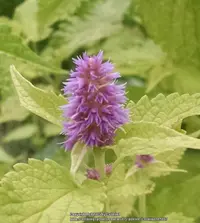
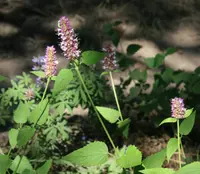
Nettleleaf giant hyssop (Agastache urticifolia) is an upright, clump-forming perennial herb in the mint family, known for its tall flower spikes and aromatic foliage. Plants often grow in loose colonies, creating soft vertical accents in naturalistic plantings.

It is native to western North America, where it occurs in open woods, mountain meadows, and along stream edges. The flowers attract bees, butterflies, and other pollinators, which makes it useful in wildlife-friendly gardens.

This species is generally easy to grow given sun, moderately moist but well-drained soil, and protection from extreme humidity. Gardeners who learn how to care for nettleleaf giant hyssop usually find it a durable, low-input plant once established.

Main Plant Requirements

Care Difficulty

Easy Care

Light Preference

Full Sun

Water Requirements

Low Water

Temperature Preference

Cold Hardy

Hardiness Zone

4–9

Soil Texture

Sandy, Loamy, Rocky

Soil pH

Slightly acidic (6.5–7.0), Neutral (7.0)

Soil Drainage

Well-drained

Fertilization

Minimal (feed rarely)

Get Personalized Care Plan

Scan your plant to receive care tips personalized for your specific plant

Available on iOS and Android

How to Care for the nettleleaf giant hyssop

This sun-loving perennial performs best in open, bright conditions for strong growth and flowering.

  • Provide 6–8 hours of direct sun daily; morning sun with light afternoon shade is ideal in hotter regions to reduce stress.
  • Tolerates light partial shade (3–4 hours direct sun), but nettleleaf giant hyssop may produce fewer, weaker flower spikes in such sites.
  • Avoid deep shade, which leads to leggy, floppy stems; in very hot, dry climates, protect from intense late-afternoon sun to prevent leaf scorch.

This drought-tolerant perennial prefers infrequent, deep watering once established.

  • Allow the top 5–7 cm of soil to dry before watering; soil should feel dry, not just the surface crust.
  • Use sharply drained soil; standing water or heavy clay encourages root rot, pale leaves, and wilting despite wet ground in Agastache urticifolia.
  • In the first growing season, water deeply when foliage begins to soften or curl; reduce frequency in cool or rainy weather and over winter.

This hardy perennial thrives in temperate climates with cool to warm summers and cold winters.

  • Optimal growth occurs around 65–80°F (18–27°C), with strong performance in mild, low-humidity conditions.
  • Tolerates winter lows near 0°F (-18°C) in the ground when soil drains well; mulching helps buffer freeze–thaw cycles.
  • Handles dry summer heat up to about 90–95°F (32–35°C) if roots are established, but prolonged extreme heat plus humidity can reduce vigor and flowering.

This species tolerates a wide humidity range and usually does not need special humidity management outdoors.

  • Target 30–60% humidity, which is typical of most outdoor garden conditions in its native range.
  • Plants handle dry air well; leaf droop or browning tips in hot, windy weather usually relate more to drought than low humidity.
  • In unusually arid microclimates, group plants and use a light mulch to moderate moisture loss rather than trying to raise air humidity.

Agastache urticifolia prefers lean, well-drained, slightly dry soils rather than rich, wet ground.

  • Use a sandy or loamy mix with coarse structure; combine roughly 50% garden loam, 30–40% coarse sand or grit, and 10–20% compost.
  • Aim for slightly acidic to neutral pH, around 6.0–7.5, which supports root function and nutrient uptake without encouraging excessive foliage growth.
  • Improve drainage and aeration by incorporating mineral materials such as coarse sand, fine gravel, or perlite through the top 20–30 cm before planting.
  • Avoid heavy clay, compacted, or waterlogged sites, as these conditions promote root rot and shorten plant lifespan.

This species can be grown in containers if the pot is managed to stay on the drier, well-drained side.

  • Choose a container at least 30 cm deep to allow the taproot to develop without curling tightly at the base.
  • Use a heavy, stable pot or add weight (such as stones at the bottom) to prevent tall flowering stems from tipping the container in wind.
  • Select a gritty potting mix that dries quickly, and elevate the pot slightly on feet or bricks so drainage holes do not sit directly on a hard surface.

This drought-tolerant native, nettleleaf giant hyssop, needs only modest feeding in average garden soil.

  • In the ground, use a light layer of garden compost or well-rotted manure in spring instead of frequent synthetic feeding.
  • For container plants, apply a balanced slow-release fertilizer (around 10-10-10) at half label rate at the start of the growing season.
  • Avoid high-nitrogen products, which can cause weak leafy growth and fewer flowers on Agastache urticifolia.
  • Do not feed in late fall or winter, as the plant is going dormant and excess nutrients are unused.

Thoughtful pruning keeps Agastache urticifolia compact, tidy, and flowering well.

  • In mid to late summer, deadhead spent flower spikes with clean bypass pruners to extend blooming and reduce self-seeding.
  • Remove dead, broken, or diseased stems whenever noticed, cutting back to healthy tissue.
  • In late fall or very early spring, cut back old, woody stems to 5–10 cm above soil level to refresh growth.
  • Thin out crowded interior stems to improve air flow and reduce risk of foliar disease.

This species is usually grown in garden beds, where transplanting is more relevant than frequent repotting.

  • Transplant Agastache urticifolia in early spring or early fall when temperatures are mild and soil is workable.
  • Look for signs such as roots circling the container, water running off quickly, or slowed growth before moving container plants up 1 pot size.
  • Water thoroughly the day before moving, then gently loosen the root ball and tease apart circling roots to reduce transplant shock.
  • Replant into well-drained soil at the same depth, firm gently, water in deeply, and shade lightly for a few days to help recovery.

Agastache urticifolia is commonly propagated by seed, division, or softwood stem cuttings.

  • Sow fresh seeds in late fall outdoors for natural cold stratification, or in late winter indoors with 18–21°C bottom warmth and bright light.
  • Barely cover seeds, keep evenly moist but not waterlogged, and provide good air circulation to limit damping-off disease.
  • In early spring, lift and divide mature clumps with a sharp spade, replanting vigorous sections with several shoots and healthy roots.
  • Take 8–10 cm softwood cuttings in late spring, remove lower leaves, dip in rooting hormone, and root in a moist, free-draining medium.

This cold-hardy perennial usually needs minimal winter care in typical temperate climates.

  • Agastache urticifolia tolerates frost and snow once established, especially in well-drained soil.
  • After hard frosts, cut back dead stems to 5–10 cm, or leave some for winter interest and wildlife habitat.
  • Apply a light, breathable mulch layer around the crown, avoiding direct contact, to moderate soil temperature swings.
  • Move container-grown plants to a sheltered spot with reduced wind exposure so roots do not freeze solid.

Care Tips

Staggered Renewal Cutting

Every 2–3 years, cut back only one-third of the oldest stems at ground level in early spring to renew growth while preserving flowering and habitat value.

Targeted Deadheading Technique

After the first main flush of blooms, remove only the spent flower spikes down to the first strong leaf pair to encourage a lighter second bloom without overly reducing seed for wildlife.

Lean Support In Wind

In exposed, windy sites, place low, discreet peasticks or short mesh hoops on the windward side in late spring so stems can lean naturally without snapping during summer storms.

Drought Hardening Strategy

In the second year and beyond, gradually lengthen the interval between deep waterings during spring to train roots to grow deeper, which improves drought tolerance and longevity when growing nettleleaf giant hyssop.

Selective Volunteer Management

Allow a few self-sown seedlings to mature each year and thin the rest while small, so the stand slowly renews itself without becoming overcrowded or shading out neighboring plants.

Common Pests and Diseases

Aphids

This pest feeds on young shoots and flower spikes, sucking sap and causing distortion, sticky honeydew, and reduced vigor. Symptoms include curled foliage and a decline in flowering quality.

Solution

Wash colonies off stems and flower spikes with a firm stream of water, and remove heavily infested shoot tips. Encourage natural predators such as lady beetles and lacewings, and if needed use an insecticidal soap or neem oil spray applied in the early morning so foliage dries quickly.

Spider mites

These insects are tiny sap-feeders that thrive in hot, dry conditions, causing stippled, silvery leaves and fine webbing on stems and leaf undersides. Symptoms include dull, yellowing foliage and premature leaf drop.

Solution

Increase humidity around plants and hose down foliage, focusing on leaf undersides to physically remove mites. For persistent problems, apply insecticidal soap or horticultural oil at labeled rates and improve airflow to keep leaves from overheating and drying out excessively.

Powdery mildew

This disease appears as white to gray powdery patches on leaves, especially in crowded or shaded stands. Symptoms include distorted growth, premature leaf yellowing, and reduced flowering.

Solution

Improve air circulation by thinning stems and avoiding overhead watering, and remove and dispose of affected leaves to reduce spore spread. Where conditions favor recurrence, use a preventive fungicidal spray labeled for powdery mildew on ornamentals and avoid high-nitrogen fertilization that promotes lush, susceptible growth.

Rust

This disease produces small orange to brown pustules on the undersides of leaves with yellow spots on the upper surface. Symptoms include gradual leaf weakening, early defoliation, and reduced cold hardiness in stressed plants.

Solution

Promptly remove and discard infected leaves and plant debris, and avoid wetting foliage late in the day. In sites with a history of rust, space plants for better airflow, water at soil level, and consider a targeted ornamental fungicide if cultural measures do not control spread.

Leafhoppers

These insects jump quickly when disturbed and feed by piercing and sucking sap, leading to pale stippling, leaf curling, and in some cases transmission of leaf diseases. Symptoms include reduced vigor and uneven, blotchy discoloration on leaves and flower spikes, which can interfere with growing nettleleaf giant hyssop for ornamental or pollinator use.

Solution

Reduce grassy weeds and nearby volunteer hosts, and use a strong water spray to knock insects off plants during early stages of infestation. For heavier pressure, apply insecticidal soap or a low-impact contact insecticide in the evening when pollinators are less active, and monitor new growth regularly to catch reinfestations early.

Interesting Facts

Native mountain mint

This species is native to western North America, where it typically grows in open montane habitats, streambanks, and dry meadows from low foothills up into subalpine zones.

Bee and moth favorite

Its pale pink to lavender flower spikes produce nectar that strongly attracts native bumble bees, solitary bees, and day-flying moths, making it a valuable component of pollinator habitat plantings.

Variable leaf hairs

The leaves show notable variation in hairiness between populations, from almost smooth to distinctly nettle-like, which may help reduce water loss and herbivory in drier or more exposed sites.

Botan icon

Did you know?

Indigenous peoples in parts of the Pacific Northwest and Intermountain West traditionally used the aromatic leaves and flowers of this species as a flavoring and in ceremonial contexts, reflecting its long-standing cultural importance beyond its value to pollinators.

FAQs about nettleleaf giant hyssop

This species is highly attractive to native bees, honeybees, bumblebees, and many butterflies due to its nectar-rich tubular flowers and long bloom period. It works well in pollinator gardens and ecological restoration plantings.

Grow Healthy Plants with Botan Care

Keep your plants happy and healthy with plant identification, disease detection, and easy care guidance.

Botan plant care app — identify plants on mobile

Explore More Plants