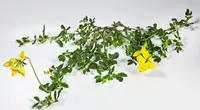
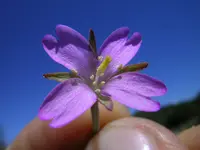
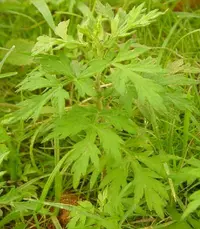
biennial wormwood Care (Artemisia biennis)

Also known as: Slender Mugwort
biennial wormwood

About biennial wormwood

Biennial wormwood (Artemisia biennis) is a fast-growing biennial herb in the daisy family, often found in disturbed soils, roadsides, and crop fields. It is native to North America and parts of Eurasia and can behave as an agricultural weed.

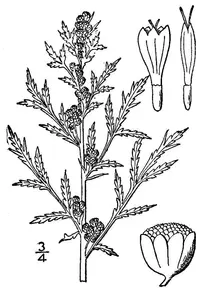
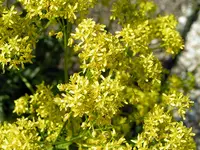
Plants form leafy rosettes in the first year, then send up tall, upright stems with many narrow, aromatic leaves and small greenish flower spikes in the second year. The strong scent and high seed production help it spread readily.

It tends to be hardy, drought-tolerant, and adaptable to poor, sandy, or gravelly soils, which makes how to care for biennial wormwood relatively simple in dry, sunny sites.

Main Plant Requirements

Care Difficulty

Easy Care

Light Preference

Full Sun

Water Requirements

Low Water

Temperature Preference

Cold Hardy

Hardiness Zone

3–9

Soil Texture

Sandy, Loamy, Rocky

Soil pH

Slightly acidic (6.5–7.0), Neutral (7.0)

Soil Drainage

Well-drained

Fertilization

Minimal (feed rarely)

Get Personalized Care Plan

Scan your plant to receive care tips personalized for your specific plant

Available on iOS and Android

How to Care for the biennial wormwood

Artemisia biennis grows best in open, sunny sites where it receives strong direct light for most of the day.

  • Provide full sun for 6–8 hours daily; morning and midday sun promote compact, sturdy growth and stronger aromatic foliage in biennial wormwood.
  • Plant in exposed positions; it tolerates light partial shade (3–4 hours sun) but may grow taller, lean, and produce fewer flowers when light is reduced.
  • In very hot regions, slight afternoon shade protects foliage from scorch, while too little sun in cool seasons delays flowering and weakens stems.

This species prefers dry to moderately dry conditions and is adapted to fast-draining soils.

  • Water only when the top 3–5 cm of soil are completely dry; in most field conditions this means infrequent, deep watering rather than light, frequent sprinkling.
  • Use sandy or gravelly soil with excellent drainage so water does not pool around the roots, especially on heavy clay or compacted sites.
  • Reduce watering during cool or rainy seasons; yellowing, soft stems suggest overwatering, while dull, drooping foliage that does not perk up overnight indicates the plant is too dry.

This hardy biennial tolerates a wide temperature range and is well adapted to outdoor conditions in many temperate regions.

  • Optimal active growth occurs around 60–80°F (16–27°C), with fastest development in late spring and early summer under these conditions.
  • Established plants survive down to about 10–15°F (-12 to -9°C) in the ground, dying back after hard freezes while seeds persist for the next generation.
  • Heat tolerance is good up to about 90–95°F (32–35°C) if soil is not waterlogged; prolonged extremes above this can slow growth and increase stress during flowering.

Humidity is rarely a limiting factor for biennial wormwood, which naturally tolerates dry air.

Artemisia biennis thrives in lean, well-drained soil with a rather dry profile.

  • Use sandy or gravelly loam with low to moderate organic matter to prevent excessive moisture retention.
  • Ensure sharp drainage; mix in coarse sand or fine gravel, and avoid heavy clay that stays wet after rain or watering.
  • Aim for a slightly acidic to slightly alkaline pH of about 6.0–7.8, which this species handles comfortably.
  • Avoid rich, compacted, or waterlogged substrates, which promote weak, floppy growth and root rot.

This species can be grown in containers outdoors if the potting setup prevents waterlogging and supports its tall, somewhat sprawling habit.

  • Choose a deep, heavy container that resists tipping as the plant becomes tall and wind-exposed.
  • Use a very fast-draining mix, such as regular potting soil cut 50% with coarse sand or grit, to mimic dry, open ground.
  • Elevate the pot on feet or bricks so drainage holes stay clear and excess water exits quickly after rain or irrigation.

This biennial herb usually grows well in average soil and needs only modest feeding.

  • Apply a light dressing of compost or a low-dose balanced NPK fertilizer once in early spring of the first growing year.
  • Use a diluted liquid feed at 1/2–1/4 strength if growth appears weak, avoiding heavy nitrogen that encourages lush, floppy stems.
  • Skip fertilization in winter and after flowering, as biennial wormwood naturally declines after seed set.
  • In poor soils, a slow-release balanced fertilizer at sowing can support establishment without repeated feeding.

Artemisia biennis benefits from simple, targeted pruning to manage size and limit self-seeding.

  • Cut back spent flowering stalks in late summer or early fall to reduce unwanted seedlings and maintain a tidier outline.
  • Remove dead, damaged, or weak stems at the base with clean hand pruners to improve air flow and plant health.
  • Thin crowded stems during active growth to reduce shading, encourage sturdier shoots, and support upright habit.
  • If appearance matters, lightly shear the top third of lanky growth, avoiding cutting into hard, woody portions.

This species is usually grown in the ground and moved only once, since it is a short-lived biennial.

  • Transplant seedlings or first-year rosettes in early spring or early fall, when temperatures are mild and soil is workable.
  • Shift plants only if growth is poor, the site is too shaded, or roots fill a small nursery plug or container.
  • Dig with a wide soil ball to keep fine roots intact, then replant at the same depth in well-drained soil and water thoroughly.
  • After transplanting, shade lightly for a few days, keep soil evenly moist but not saturated, and avoid high-nitrogen fertilizer to reduce stress.

Artemisia biennis is most commonly propagated from seed rather than vegetative methods.

  • Collect seed heads when dry and brown, then store seeds cool and dry until sowing.
  • Sow seeds in late fall outdoors for natural cold exposure or in early spring on the soil surface, as light aids germination.
  • Provide well-drained, sandy or loamy soil and keep evenly moist at 60–70°F until seedlings establish.
  • In managed sites, thin crowded seedlings to the strongest individuals, spacing 20–30 cm apart for healthier growth.

This cold-hardy biennial usually needs minimal winter attention in temperate climates.

  • First-year rosettes typically tolerate freezes and snow without extra covering if soil drains well.
  • In very exposed or windy sites, a light mulch layer around but not on top of the crown can limit freeze–thaw stress.
  • Container plants, if any, overwinter best in an unheated but frost-free shed or garage where roots do not freeze solid.

Care Tips

Early rosette thinning

In dense stands, thin young rosettes to 15–20 cm spacing to reduce competition and encourage stronger, single-stemmed plants that are easier to manage and monitor for pests.

Targeted height control

On fertile sites where plants grow too tall and floppy, pinch out the top 5–10 cm of the main stem just before rapid stem elongation to encourage a sturdier, slightly shorter plant with better wind resistance.

Volunteer seedling management

Flag a few vigorous plants as seed donors and remove flower heads from the rest before seed set to limit weedy self-seeding while still keeping a controlled seed source for future stands.

Staggered sowing strategy

Sow in 2–3 small batches spaced 2–3 weeks apart to spread flowering times, which helps maintain continuous coverage and makes it easier to schedule cutting or removal before seeds mature.

Simple wind protection

In open, windy sites, run a low string line or wire along both sides of the row at 20–30 cm height using stakes every 1–1.5 m to lightly brace stems and reduce lodging without needing individual plant supports.

Common Pests and Diseases

Rust fungi

This disease causes small yellow to brown pustules on leaves and stems, sometimes leading to premature leaf drop. Symptoms include reduced vigor in dense, humid stands of biennial wormwood.

Solution

Remove and destroy heavily infected leaves to reduce spore spread, and avoid overhead irrigation to keep foliage dry. Thin crowded plants and improve airflow; in severe cases, a sulfur or copper-based fungicide labeled for ornamental Artemisia can be used according to label directions.

Powdery mildew

This disease produces white, powdery patches on leaf surfaces, especially in shaded or crowded conditions. Symptoms include distorted growth and gradual decline in overall plant appearance.

Solution

Increase light and air circulation by spacing plants properly and removing excess surrounding vegetation. Prune out the most affected stems and, if needed, apply a potassium bicarbonate or horticultural oil product labeled for powdery mildew, ensuring full coverage of leaf surfaces.

Aphids

These insects cluster on young stems and leaf undersides, sucking plant sap and excreting sticky honeydew that can attract sooty mold. This pest can cause curling or yellowing of tender growth on A. biennis volunteers or cultivated plants.

Solution

Dislodge colonies with a strong stream of water from a hose and remove heavily infested shoot tips. For persistent infestations, apply insecticidal soap or neem oil to all infested surfaces, repeating as needed while also encouraging natural predators such as lady beetles nearby.

Leaf spot

This disease causes small brown to gray spots on leaves, sometimes with darker margins that coalesce under prolonged moisture. Symptoms include thinning foliage and reduced ornamental value in plantings where people try to grow Artemisia biennis intentionally.

Solution

Collect and discard fallen, spotted leaves to limit reinfection and avoid wetting foliage during watering. Improve drainage and air movement around plants; in recurring cases, use a broad-spectrum fungicide labeled for foliar leaf spots on ornamentals, following the recommended interval and dosage.

Interesting Facts

Specialist disturbed-soil colonizer

Biennial wormwood is strongly associated with disturbed habitats such as field margins, construction sites, and roadsides, where its wind-dispersed seeds rapidly colonize bare mineral soil before longer-lived competitors establish.

Highly variable leaf morphology

Its leaves change shape noticeably as the plant matures, from more finely divided lower leaves to simpler upper leaves, which helps botanists distinguish it from similar Artemisia species in the field.

Enormous seed production

A single mature plant can produce a very large number of tiny, lightweight seeds that lack pappus hairs but still disperse efficiently by wind and machinery, contributing to its reputation as an agricultural weed in annual crop systems.

Botan icon

Did you know?

Unlike many aromatic Artemisia relatives, biennial wormwood foliage is only weakly scented and is not commonly used in traditional herbal preparations or flavorings, which helps differentiate it from better-known species such as Artemisia absinthium in ethnobotanical records.

FAQs about biennial wormwood

This species self-seeds heavily and can form dense patches if not managed. Deadhead spent flower spikes before seeds ripen and remove unwanted seedlings early to limit spread, especially near disturbed soils, roadsides, or open beds.

Grow Healthy Plants with Botan Care

Keep your plants happy and healthy with plant identification, disease detection, and easy care guidance.

Botan plant care app — identify plants on mobile

Explore More Plants