Alpine Columbine Care (Aquilegia alpina)

Alpine Columbine

About Alpine Columbine

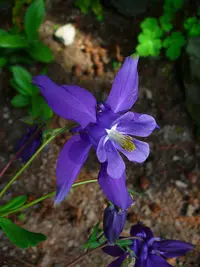
Alpine columbine, Aquilegia alpina, is a hardy perennial flowering plant native to the European Alps and other cool mountain regions. It forms compact clumps with delicate, fern-like foliage and upright stems. The plant is best known for its nodding, blue to violet flowers with long spurs, which attract bees and other pollinators in late spring to early summer. It usually prefers cool conditions, moderate moisture, and freely draining, humus-rich soil. Gardeners who care for Alpine Columbine often value its ability to thrive in rock gardens, lightly shaded borders, and naturalistic plantings, provided summer heat is not extreme and soil does not stay waterlogged.

Main Plant Requirements

Care Difficulty

Moderate Care

Light Preference

Partial Sun

Water Requirements

Moderate Water

Temperature Preference

Cold Hardy

Hardiness Zone

3–7

Soil Texture

Loamy, Sandy, Organic-rich

Soil pH

Acidic (5.5–6.5), Slightly acidic (6.5–7.0)

Soil Drainage

Moist but well-drained

Fertilization

Minimal (feed rarely)

Get Personalized Care Plan

Scan your plant to receive care tips personalized for your specific plant

Available on iOS and Android

How to Care for the Alpine Columbine

This mountain perennial prefers bright, cool conditions with some protection from intense midday sun.

  • Provide 4–6 hours of direct morning sun with light afternoon shade; in hotter regions, use dappled or filtered light after 11 a.m.
  • Tolerates partial shade (2–4 hours direct sun) but may produce fewer flowers; Alpine Columbine usually performs best in east- or north-facing beds.
  • Avoid harsh all-day sun, which can scorch foliage and dry soil quickly; monitor leaf edges for browning in late spring and summer and add shade if needed.

This species prefers evenly moist, well-drained soil that never stays waterlogged.

  • Water when the top 3–5 cm of soil feels dry, aiming for deep soaking rather than frequent light splashes to support Aquilegia alpina roots.
  • In spring and early summer, check moisture every few days during active growth; reduce watering in late summer once flowering slows and growth tapers.
  • Ensure sharp drainage with added grit or compost; watch for yellowing, soft leaves as a sign of overwatering, and for limp, dull foliage and dry soil clods as signs of underwatering.

This alpine perennial thrives in cool to mild climates with cold winters and moderate summers.

  • Optimal growing temperatures are 55–70°F (13–21°C) during the day and 40–55°F (4–13°C) at night, especially in spring and early summer.
  • The plant is hardy down to about -20°F (-29°C) once established, tolerating winter freezes and snow cover common in many temperate regions.
  • Heat above 80–85°F (27–29°C), especially with hot nights, can stress plants; provide mulch, afternoon shade, and consistent moisture during heat waves to limit decline.

Humidity is rarely critical for Alpine Columbine, which copes well in typical outdoor conditions.

  • Target 40–60% humidity, similar to most temperate outdoor gardens.
  • Tolerates brief dry air, but prolonged hot, very dry wind can cause marginal leaf browning and quicker flower fade.
  • In very dry, exposed sites, group plants, use organic mulch, or place windbreaks to reduce moisture loss around foliage.

Aquilegia alpina prefers cool, moist, well-drained soil with stable structure around its fine roots.

  • Use a loose loam with organic matter, blending garden loam with compost and a small amount of sharp sand.
  • Ensure drainage is free-flowing; soil should stay evenly moist but never waterlogged to prevent root and crown rot.
  • Aim for slightly acidic to neutral pH, roughly 6.0–7.0, where nutrient uptake is most efficient for this species.
  • Improve aeration and drainage by incorporating 20–30% composted bark or grit into heavy clay, avoiding compacted or soggy spots.

This species can be grown in containers for a few seasons if moisture and root space are carefully managed.

  • Choose a deep, heavy pot that resists tipping in wind and keeps the cool root environment this alpine prefers.
  • Fill with a mix of loam-based compost and 20–30% grit or perlite to balance moisture retention with sharp drainage.
  • Elevate the pot slightly on feet or bricks so drainage holes stay clear and excess water runs off quickly after rain or watering.

Aquilegia alpina benefits from modest feeding in lean soils but does not need heavy fertilization.

  • Use a balanced, slow-release fertilizer (around 10-10-10) or a thin layer of compost in early spring.
  • Feed once at spring emergence and again lightly in midsummer if growth or flowering seems weak.
  • Apply fertilizers at half the label-recommended strength to avoid excessive leaf growth over flowers.
  • Stop feeding in late summer so plants can harden off before dormancy and winter conditions.

Pruning supports neat growth and sustained flowering in Aquilegia alpina.

  • Deadhead fading blooms in late spring to early summer to extend flowering and reduce self-seeding.
  • Cut flower stems back to a low leafy rosette once blooming ends to keep the plant compact.
  • Remove any dead, damaged, or diseased foliage with clean, sharp hand pruners.
  • In late fall, trim back spent stems close to ground level, leaving healthy basal leaves if present.

Transplanting is more common than repotting, since Aquilegia alpina is usually grown in garden beds.

  • Move plants in early spring or early fall when temperatures are cool and soil is moist.
  • Transplant only when growth declines, clumps become crowded, or roots circle a container edge.
  • Lift with a wide root ball, disturb roots as little as possible, and replant at the same depth.
  • Water thoroughly after transplanting, then keep soil evenly moist and shaded for 7–10 days to reduce stress.

Propagation of Aquilegia alpina is most reliable from seed, with division used more cautiously.

  • Sow fresh seeds in late summer to fall outdoors; natural cold stratification over winter improves germination.
  • Alternatively, chill seeds in moist medium at 35–40°F for 4–6 weeks before spring sowing.
  • Use a free-draining seed mix, keep lightly moist, and provide bright, indirect light until seedlings establish.
  • Divide only young clumps in early spring, keeping divisions large to reduce shock and loss.

Aquilegia alpina is cold hardy in most temperate gardens and usually needs minimal winter care.

  • After hard frost, allow foliage to die back, then cut to just above ground level if desired.
  • Apply a 3–5 cm layer of loose mulch around the crown to moderate freeze–thaw cycles.
  • For container-grown plants, move pots to a sheltered, unheated but frost-free or slightly insulated location.

Care Tips

Manage self-seeding

After peak flowering, leave a few spent blooms to set seed in place if you want a naturalized drift, but deadhead the rest to prevent unwanted spreading into nearby beds.

Rotate planting spots

Replant divisions or new plants in a slightly different spot every 3–4 years to reduce soil-borne disease buildup and keep flowering vigorous.

Support in windy sites

In exposed gardens, insert discreet twiggy branches or low hoops around the clump in early spring so the tall stems have support before heavy rain or wind arrives.

Monitor for leaf miners

Inspect leaves regularly for pale, winding trails and remove affected foliage promptly to limit spread of columbine leaf miner without resorting to broad-spectrum insecticides.

Mulch for crown health

Apply a thin, airy mulch layer around but not on top of the crown each spring to keep roots cool, conserve moisture, and reduce soil splash that can spread foliar diseases when growing Alpine Columbine.

Common Pests and Diseases

Leaf miners

This pest tunnels inside the leaves and creates winding, pale trails that distort the foliage and reduce photosynthesis.

Solution

Remove and dispose of affected leaves as soon as trails appear, then use a spinosad-based spray or neem oil directed at the leaf undersides and young growth; avoid spraying when pollinators are active and repeat treatments according to label directions if new damage appears.

Powdery mildew

This disease produces white, powdery patches on leaves, often starting on older foliage and leading to yellowing and premature leaf drop in crowded, humid conditions.

Solution

Improve air circulation by thinning nearby vegetation, water the soil instead of the foliage, remove heavily infected leaves, and apply a sulfur or potassium bicarbonate fungicide at the first sign of symptoms to protect new growth.

Rust

This disease causes orange to brown pustules on leaf undersides and corresponding yellow spots on the upper surface, leading to weakened plants and early defoliation.

Solution

Promptly remove and discard infected leaves, avoid overhead watering, keep the plant base clear of debris, and apply a suitable ornamental rust fungicide while also rotating columbine plantings to break the disease cycle.

Aphids

These insects cluster on young stems and flower buds, sucking sap and causing curling, distorted growth and sticky honeydew that can attract sooty mold.

Solution

Dislodge colonies with a strong stream of water, then use insecticidal soap or neem oil directed at shoot tips and bud clusters, repeating weekly until populations are reduced and encouraging natural predators such as lady beetles when possible.

Botrytis blight

This disease appears as soft, water-soaked areas on leaves, stems, or flowers that develop gray, fuzzy mold in cool, damp weather and can collapse young shoots.

Solution

Remove and discard all affected plant parts, improve drainage and spacing to lower humidity around the plant, avoid wetting foliage, and use a labeled ornamental fungicide if cool, wet conditions persist and new infections continue to appear while growing Alpine Columbine.

Interesting Facts

High-alpine specialist

This columbine is naturally restricted to high mountain limestone habitats of the central and eastern Alps, often growing in rocky grasslands and open scree above treeline where many other perennials cannot persist.

Distinctive large flowers

It produces relatively large, nodding blue-violet flowers with straight, slender spurs that are longer and less curved than those of many related European columbines, which helps botanists distinguish it from similar species in the wild.

Pollinated by long-tongued insects

The elongated nectar spurs are adapted to pollination by long-tongued bees and bumblebees, which must reach deep into the spurs to access nectar, promoting efficient pollen transfer between plants.

Botan icon

Did you know?

This species is considered a characteristic plant of certain protected alpine grassland communities in parts of the Alps, and in several regions it is listed as regionally rare or of conservation concern due to its limited distribution and specialized limestone habitat.

FAQs about Alpine Columbine

Lack of flowers often comes from too much shade, nutrient‑rich soil with excessive nitrogen, or plants that are still immature. Division or heavy disturbance can also delay flowering for 1 season while roots re‑establish.

Grow Healthy Plants with Botan Care

Keep your plants happy and healthy with plant identification, disease detection, and easy care guidance.

Botan plant care app — identify plants on mobile

Explore More Plants